
The longevity society: long life is also a choice of sustainability
In a world where by 2050 two billion people will be over 60, the priority is to shift the emphasis: not just adding years, but improving the quality of them.
by Alba Solaro
 Aggiungi Il Sole 24 Ore
ai preferiti su Google
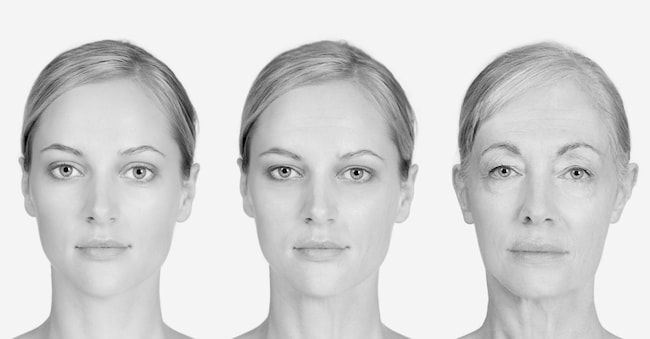
Remember this date: 2050. Today there are one billion people over sixty on Earth. By that date, the billion will become two: "One in six people will be over 65. This is a gigantic structural change: for the first time in human history, five generations will share the planet,' explains Nic Palmarini, originally from Liguria and now director, in Newcastle, of the National Innovation Centre for Ageing (Nica). 'A perspective that poses a challenge to us: to move from a society of old age to a society of longevity'. Palmarini spoke about this at Next Design Perspectives, Altagamma's format dedicated to scenarios and projects that focus on design and its transformative potential. Curated in its 2025 edition - the fourth - by Marco Sammicheli on the sidelines of the XXIV International Exhibition of the Milan Triennale entitled Inequalities, the conference identified longevity as one of the crucial themes for the cultural and creative industry with temporary, as well as a promising business.
This was well summarised by the writer Lidia Ravera (who explored the theme in Age Pride. Per liberarci dai pregiudizi sull'età, Einaudi) at the recent Health Festival 2025: "If we start from the assumption that old age is a black hole into which we fall, we are destined for an unhappy life. If we think it's part of life, that's fine. But if we are even better, we can think that it is the first time that there is this territory to cross between the age of 65 and death: there never has been. No generation before ours has had this extra time, which is completely to be organised'.
If life is a journey, says Ravera, 'every age is a foreign country. When you arrive you are uncomfortable, you don't speak the language, you don't know anyone. And when you finally get used to it, you are thrown into the next country. From childhood to adolescence, from youth to adulthood to old age, to which a third and fourth time is now added. The last two countries no one has ever crossed. Everything has to be rewritten'.

Which is exactly what the Nica led by Palmarini aims to do: a global organisation supported by the British government, studying advanced services, products and solutions to move us from the silver economy to the longevity economy.
"We have to reset the way we think about advancing age," explains Palmarini. Who Wants To Live Forever? Queen asked in a famous song. The answer is: it depends. Who wouldn't want to grow old like Iris Apfel, the eccentric New York style lady who died at 103 after becoming a model at 97?

