
Middle East, Trump sees Netanyahu and warns Hamas: 'Disarm soon or pay'
Israel recognised Somaliland, provoking protests from Iran and China and also the perplexity of the US administration. IDF investigations into operations in Gaza, Lebanon and Iran
by Editors OnLine
 Aggiungi Il Sole 24 Ore
ai preferiti su Google
Key points
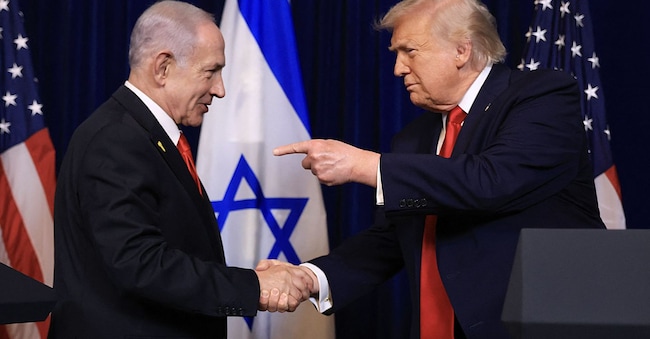
In the end-of-year rush to capitalise on major foreign policy decisions on which thousands of lives could depend, Donald Trump received in his Mar-a-Lago resort Benyamin Netanyahu, only 24 hours after his talks with Volodymyr Zelensky.
This is the fifth meeting between the two leaders since the tycoon returned to the White House, but this one in Florida comes at a crucial time for the Middle East with so many hot dossiers from Gaza to Iran.
"There are small differences with Netanyahu on what we want, what we see. Butwe agreed on almost everything," Trump said at the end of the meeting. The tycoon warned that if Hamas "doesn't disarm" soon "he will pay". "We will give Hamas a short time to disarm, otherwise it will pay a price," said the US president, according to whom Israel "complied" with the peace plan for Gaza. "Netanyahu and I don't agree 100 per cent in the West Bank but we will come to a solution," Trump added in response to a question about Israel's actions in the occupied West Bank and whether settler violence is undermining the peace process. "He will do the right thing," he specified, pointing to the Israeli premier with a gesture.
"The meeting was very productive, said Benjamin Netanyahu reiterating that the partnership between Israel and the United States is stronger than ever.
However Trump, who continues to want to present himself as the peace president, is increasingly impatient with some Israeli actions in recent months. But above all, he is eager to start phase two in Gaza after the fragile ceasefire he personally finalised in October.

