
Sotheby's restarts, but the debt knot is not untied
Profit and revenue growth in 2025 driven by top auctions, but cash flow and leverage continue to weigh on the auctioneer's profile


In 2025, Sotheby's returned to profit after several years of losses, but the structural problems associated with its financial situation, in particular its high level of debt, remain. The results - released by the Financial Times - show a pre-tax profit of $53m, a marked improvement on the previous year's loss of $190m, when changes to the commission structure (later revoked) had made the auction house less attractive to sellers.

At the end of 2025, turnover grew by about 20% to USD 7.1 billion. The core auction business recorded an increase in revenue of 26% to almost 1 billion, while total revenue stood at 1.4 billion (+21% year-on-year).
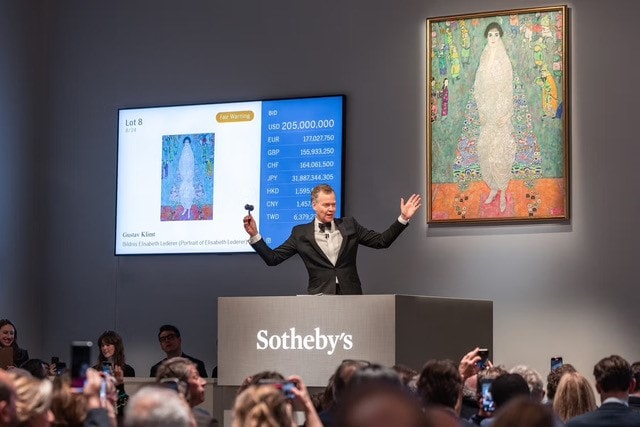
The rebound reflects a moderate recovery of the art market, which grew by 4% after two years of contraction, according to the Art Basel & UBS Global Art Market Report. Auction sales were the main driver (+9%), with demand concentrated at the top end, above $10m. Sotheby's "Portrait of Elisabeth Lederer" by Gustav Klimt, which fetched $236m in New York, the second highest auction price ever, was emblematic.
The Knot of Debt and Cash Flows
Despite the operational improvement, critical issues related to debt and the refinancing of USD 765 million of bonds maturing in 2027 remain. Following the entry of Abu Dhabi's sovereign wealth fund ADQ, which had injected USD 1 billion in 2024 (partly earmarked for the repayment of lenders), Sotheby's has now opted for a new bond issue of USD 825 million for the refinancing operation maturing in 2031 to enable it to manage its upcoming commitments. The bonds, placed these days at about 99 cents per dollar, offer a yield around 8.5 per cent, at the high end of initial indications, according to rumours. The company's outlook has improved, however: Moody's has revised the rating to 'positive', while S&P has raised it to 'stable'.
If the refinancing grants a respite on the equity front, cash flow management remains under scrutiny. This is the context of the decision - which recently emerged - to offer sellers an interest rate of around 7% to accept deferred payments under the so-called 'extended settlement terms'. The programme, which was introduced in 2025, allows contributors (typically above USD 5 million) to receive the proceeds in several tranches instead of according to the standard schedule.

