
South Africa: a three-year plan to ‘stabilise’ Johannesburg
Africa’s financial capital has long been teetering on the brink of default
from our correspondent Alberto Magnani
 Aggiungi Il Sole 24 Ore
ai preferiti su Google
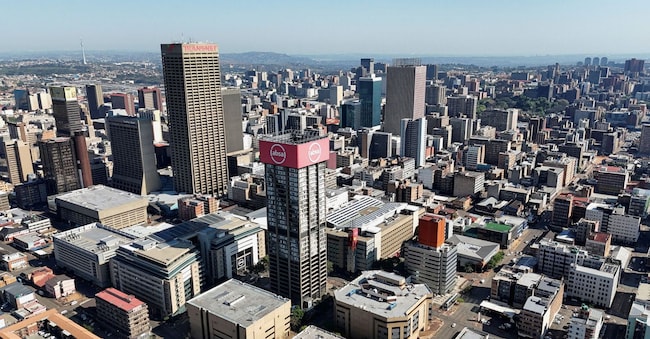
NAIROBI – The South African Treasury has drawn up a three-year action plan to ‘stabilise’ Johannesburg, the country’s financial capital, and save it from collapse.
This was announced on 14 September by the minister in charge of the department, Enoch Godongwana, confirming the scale of a crisis that has already brought a city – key to the finances of one of Africa’s leading economies – to the brink of default. The measure will remain in place even in the event of a change of leadership at the top of the local authority following the local elections on 4 November, which are expected to be a crucial test of the ruling parties’ resilience.
Johannesburg is governed by a coalition led by the African National Congress, the long-standing party that has held power in Pretoria since 1994 and is still reeling from the shock of the 2024 elections: the first to see the party fall below the 50 per cent threshold, forcing the ANC to form a 10-party coalition that also includes its long-standing rivals, the Democratic Alliance. The two parties are allies in government but opposed at regional level, to the extent that the DA will attempt to unseat the ANC in the race for ‘Joburg’ and impose a drastic change of direction on the running of the municipality. “Any government formed in Johannesburg will need our support, so we will be there over the next three years,” said Godongwana.
The organisational chaos in Johannesburg
‘Joburg’, the city’s official abbreviation, is home to the continent’s most capitalised stock exchange and accounts for 15 per cent of South Africa’s GDP, serving as the epicentre of the country’s major industrial, banking and mining companies. Its economic vibrancy is accompanied by an internal management crisis, culminating in a deficit of 128 million US dollars in the budget for the 2026–2027 financial year. One of the most insidious burdens is the debt of around 350 million dollars accumulated with the national public utilities Eskom and Rand Water, which are themselves penalised by late payments from local authorities. Godongwana had already frozen funds for 67 local authorities in July, including Johannesburg, before easing the restrictions following the administration’s commitment to ‘restructure’ the public finances swiftly. His three-year stabilisation plan marks a decisive break with the past, explains analyst Marisa Lourenço. At the root of the administrative chaos lies the fragmentation of service provision across 13 different bodies, all within the municipality’s boundaries. ‘In such a decentralised system,’ says Lourenço, ‘placing a metropolitan municipality under the management of the national Treasury means that the situation has now reached a point of no return.’


