
Spa tourism, growth in attendance and revenue
Centinaio: 'Presented a bill aimed at protecting and relaunching the sector also for the coverage of spa treatment costs by the SSN'

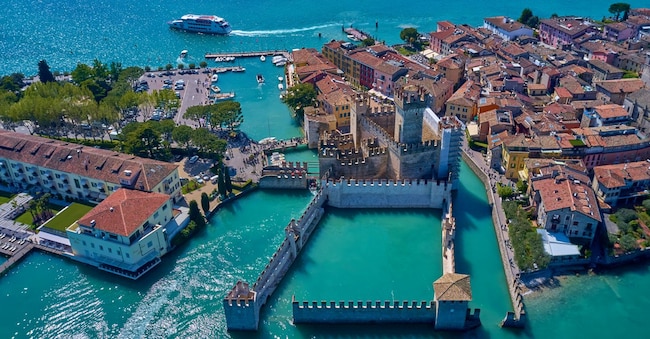
Spa tourism is soaring, posting record double-digit growth. According to the estimates of the Unioncamere-Isnart Observatory on the Economics of Tourism of the Chambers of Commerce, presented at the conference 'Italian Spa Tourism as a Driver of Market Growth' held today in Rome, in 2025 there will be around 24 million tourist presences with a direct economic impact of more than 5 billion, with important spin-offs on food and wine, shopping and culture.
"Spa tourism, which represents a historical and identifying component of the Italian tourism offer, has been going through a phase of 'reorganisation and competitive repositioning' for some time, which we, as the Chamber system, wanted to focus on," explained Andrea Prete, president of Unioncamere. From our snapshot, thermalism is confirmed as a strategic product because it is capable of holding together treatment, health, and prevention paths, with a concept of wellness in a holistic sense, for which there is strong demand, both domestic and international. We want to accompany spa enterprises in the processes of innovation, repositioning, and integration with other tourism chains in the territories, helping to strengthen the overall competitiveness of destinations, in a logic of territorial regeneration and sustainable economic development'.
The research shows how the most competitive destinations are not those that offer single services, but those that manage to build coherent experiential itineraries, capable of giving continuity and recognisability to the wellness holiday, tying together the spa experience with the enjoyment of the territory's cultural, landscape, and food and wine heritage. In particular, it is estimated that tourists on holiday in Italian spa destinations spent almost €2 billion on accommodation and catering alone, plus €1.9 billion on purchases of spa services, wellness, and recreational activities (culture, events, and entertainment for the various tourist targets), and €1 billion on shopping (clothing, footwear and accessories, food and wine and local crafts, and other made-in-Italy products).
A wellness holiday chosen in half of the cases by high-spending tourists, who spend an average of 256 euro each day, 90 euro more than the average spa tourist. It is mostly chosen by millenials with a share close to 31%, who travel as a couple (49.4%) or with friends (17.5%), choosing resorts that offer integrated wellness programmes, from thermal waters to treatments, strictly quality and customised on the basis of needs and expectations.
"The data presented confirm that spa tourism is a strongly evolving sector capable of generating decisive economic value for the territories and of intercepting an increasingly qualified national and international demand," adds Renzo Iorio, president of Federterme Confindustria. "The new product offer must respond to these changes by focusing on quality, customisation of services, and integration between health, prevention, and wellness, also in a logic complementary to the health system. The challenge is to accompany this growth with investments and innovation, strengthening the positioning of Italian spa destinations and their competitiveness throughout the year".

