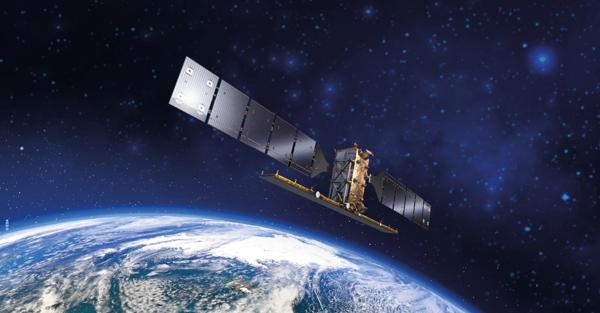
Space: Vega-C ready for take-off, Sentinel 1-C satellite on board
Launch scheduled on the 4th at 22.20 from the Kourou base in French Guyana

2' min read
2' min read
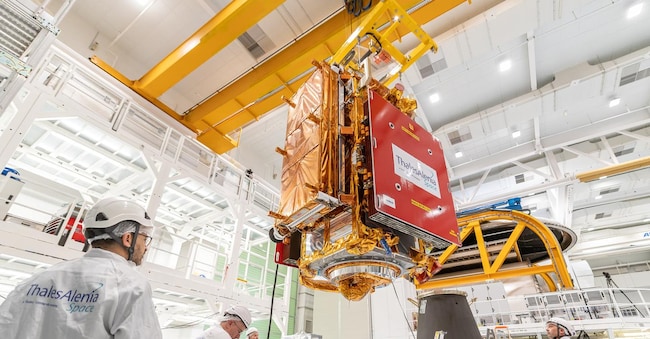
Everything is ready at the European space base in Kourou, French Guiana, for the launch of the important satellite Sentinel-1C, on 4 December at 22:20 Italian time.
Important is the satellite, which is part of the European Union's Copernicus programme and will provide valuable information on the health of our planet, but also important is the launch with the Vega C launcher, also European but essentially built by the Italian Avio of Colleferro.
For two years, in fact, Europe had been at a standstill, with no autonomous access to space and forced to rely on SpaceX for the few launches made in the last 24 months; a heavy crisis broken in July, finally, by the first flight of Ariane 6, a medium-large transport vector, and now it is the turn of Vega C to break the deadlock.
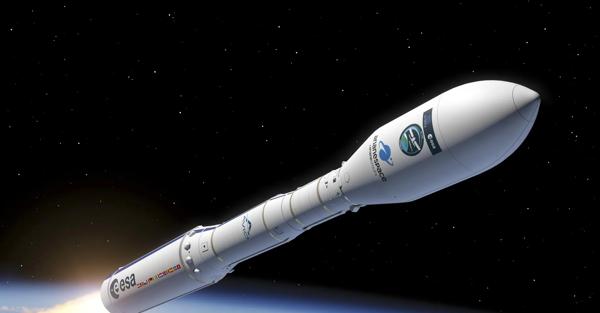
Two years ago, after a perfect maiden flight, Vega C had failed its second mission. The war in Ukraine complicated matters, putting out of business companies from that area, invaded by Russia, that were supplying important parts of the carrier rocket.
The European problem is certainly much broader, given that compared to two launches in the USA in 2024, there is talk of at least 100 and in the east, in China, even a high number, and a panorama of launchers that has just been enriched by the Long March 9, which is reusable and can carry a heavy load of 50 to 150 tonnes and reach the Moon. An important launch that of Vega C, therefore, to reaffirm also Europe's capacity and the will to cancel the accumulated disadvantage.