Spain: the new generation is trying to save the countryside with data and robots
From food processing to the digitalisation of livestock farming, a new generation of entrepreneurs is reinventing Spanish agriculture. But the generational transition continues to face structural obstacles such as access to land, profitability and the depopulation of rural areas
by Silvia Martelli (Il Sole 24 Ore) and Ana Somavilla (El Confidencial, Spain)
 Aggiungi Il Sole 24 Ore
ai preferiti su Google
European agriculture faces one of the most significant challenges of the coming decades: ensuring generational renewal in a sector where the average age of farmers continues to rise, whilst fewer and fewer young people are choosing to invest in the land. Yet behind this common problem lie very different realities. In Spain, the main issue is access to agricultural land; in Italia, multifunctionality has become the driving force behind new business models; whilst Greece and France face challenges linked, respectively, to farm fragmentation and the competitiveness of their produce. Through data, analysis and testimonies gathered in the field, this series of reports, produced as part of the European PULSE project, explores how four Mediterranean countries are seeking to shape the future of European agriculture by building on the next generation. Following the episode on Italy, here is the report on Spain.
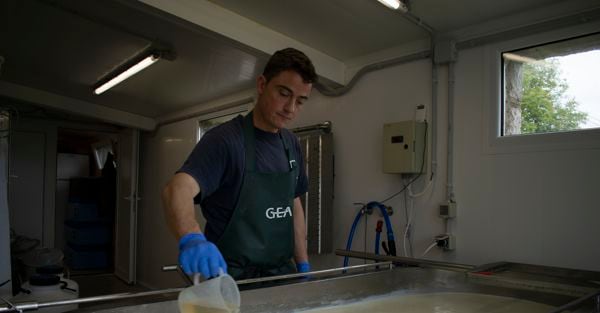
For decades, the Spanish countryside has been characterised by depopulation and an ageing population. Today, that story remains the same, but a new generation is emerging that is trying to rewrite it. They are not just farmers or livestock breeders: they are entrepreneurs who turn milk into artisan cheeses, open their farms to schools, invest in robotics, use data to manage their herds and build business models capable of integrating production, processing, direct sales and rural tourism.
Generational renewal has become one of the priorities of Spanish agricultural policy. The reason is simple: around 40 per cent of farm owners are over 65, whilst less than 9 per cent are under 41. This imbalance reflects a trend common across Europe and risks jeopardising not only agricultural production but also the economic and social stability of rural areas.
For this reason, Pedro Sánchez’s government has announced new measures to make it easier for young people to gain access to land, by creating a national platform to catalogue available land and assessing the possibility of making around 17,000 unused public plots available. Madrid also intends to call for a specific proportion of Common Agricultural Policy funds to be allocated to generational renewal.
But the land, on its own, is not enough.