
Speed cameras seized, insurance and inspection fines in the balance
The Catanzaro Public Prosecutor's Office turns the spotlight on the possible illegitimate use of licence plate reading software. Here is what the Highway Code says
2' min read
Key points
2' min read
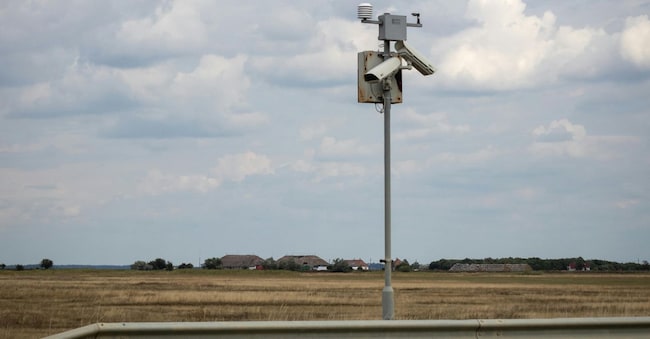
The latest case of controversial use of devices to detectroad infringements broke out last week in some towns on the Ionian coast of Catanzaro with the seizure of some Targa Systems, cameras withsoftware capable of reading the number plates of vehicles in transit and discovering whether they are stolen or under seizure/stoppage or not in order with the revision and car insurance. Usually, in cases of this kind that have happened in the last twenty years or so, the accusations mostly stem from interpretations of regulations. As in the investigation by the State Police (including the Traffic Police) and the Guardia di Finanza, conducted by the Catanzaro Public Prosecutor's Office. This can be deduced from the prudence and reserve of the investigators.
Let us then try to understand by putting together the few available chronicle data and the legislation.
Cameras and the law
.One must first understand what what the Targa System is according to the law. To do so, it must be verified:
- .
- on the website of the Ministry of Infrastructure (MIT), whether the device is approved or homologated for detecting offences remotely (i.e. in the absence of on-site officers);
- on the manufacturer's website, how the product is presented.
The results are clear and concordant: the Targa System does not appear on the MIT website and is defined by the manufacturer simply as an 'aid for detecting important offences', not a real detector. Hence, only a tool to assist officers.
Confirmation comes from the Ministry of the Interior, which on 8 February 2019 had responded to a request for clarification on the detection of violations of the obligation of Rc auto and revision: deferred contestation on the basis of the findings of the device alone is not possible, due to the lack of the essential requirement of homologation or approval in accordance with the Highway Code. Therefore, the device could and can only be used as a technical support to the activity of the officers on the spot and not to detect offences remotely.

