Spellbound counter-history of female art
More than 50 works by artists and non-binary people on display to fill a gap in art history
Key points
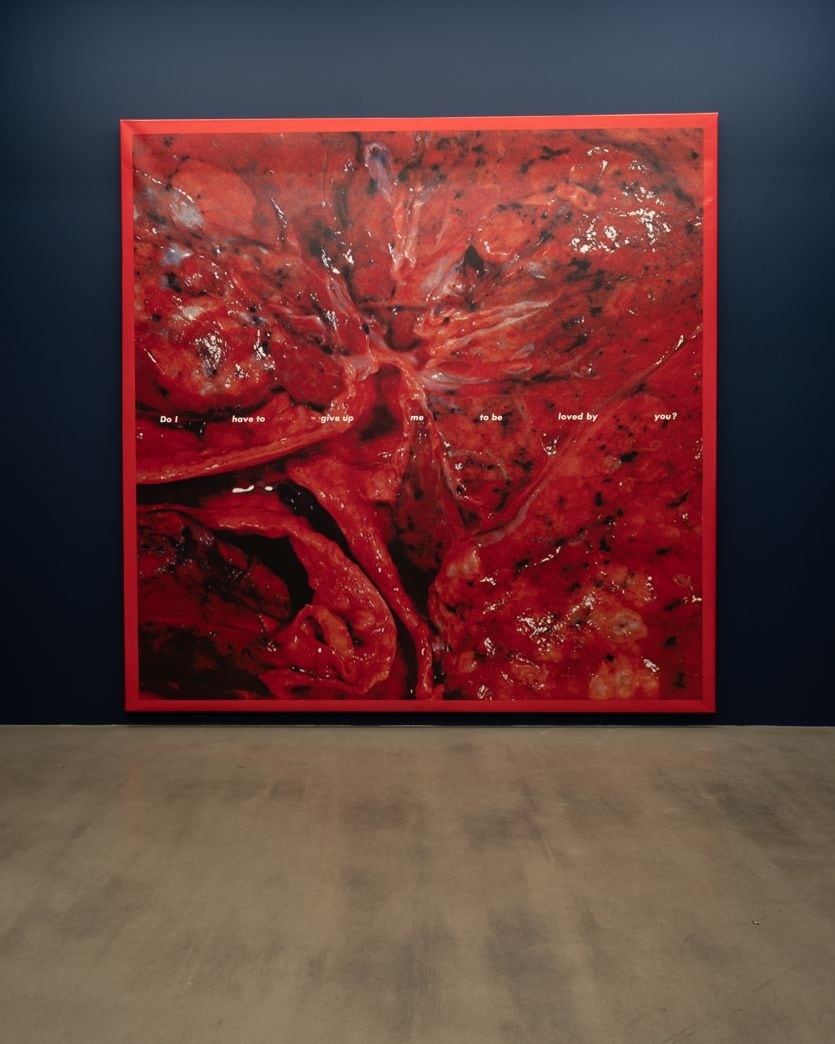
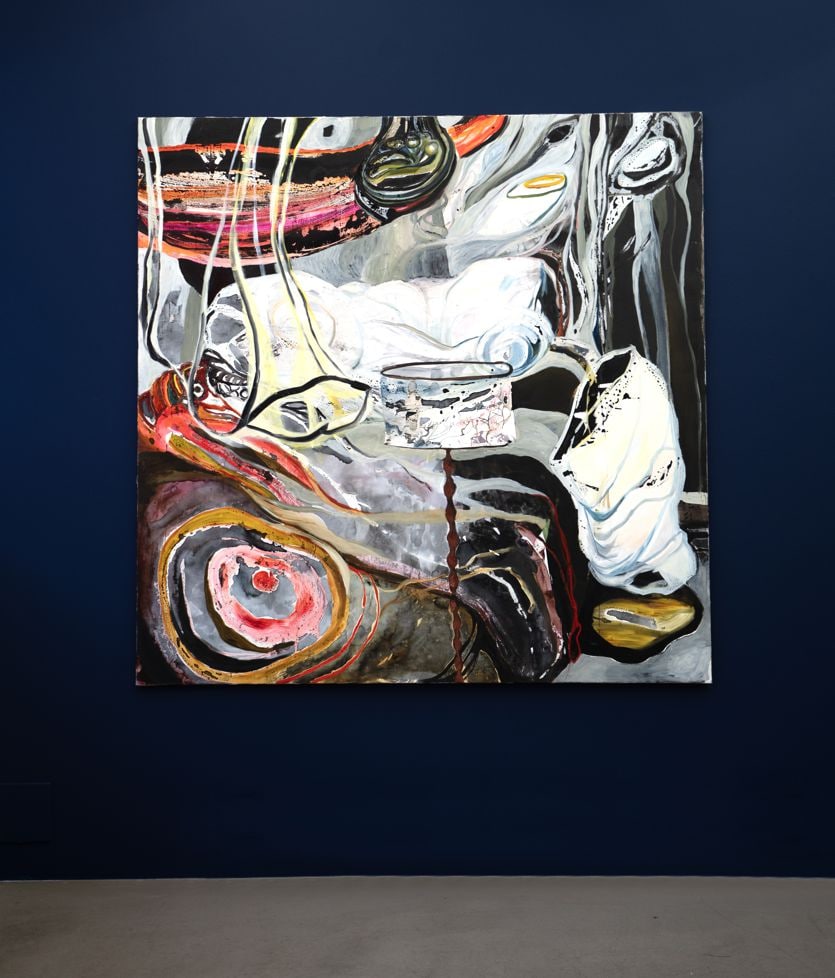
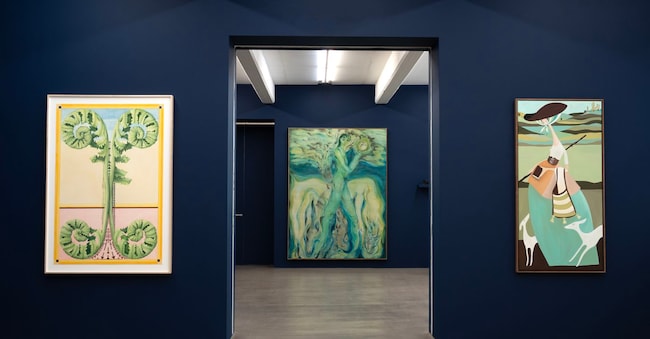
In Stockholm, in a pop-up venue in the heart of the Gallery District at Hudiksvallsgatan 6, the exhibition 'Spellbound' features 50 works of art by female and non-binary artists. They were selected from the 300 that make up the Firestorm Foundation's extensive collection. Significant work in the collection is "Eldslågor" (Burning Flames), a 1930 watercolour by Hilma af Klint depicting a heart from which fiery tongues are pouring out - according to a note in the artist's diary it is a womb from which male semen is expelled - thus the meeting-collision of male and female energy.
The Firestorm Foundation, founded in 2021 by Cristina Ljungberg in the Swedish capital in collaboration with Michael Storåkers of CFHILL - an independent space and art advisory in Stockholm -, therefore casts both name and spirit from the title of the work: collecting female artists and non-binary to answer a gap in art history, one that is pointed out in books such as The Story of Art Without Men by Katy Hessel.
The logo, on the other hand, takes as its model a symbol of motherhood and its complexity: the spiders of Louise Bourgeois. Ljungberg, an American biologist and activist who has lived in Stockholm for 25 years, focuses on crucial aspects of women's health, such as menstruation and sexual health, embracing sexual and reproductive rights and promoting global access to pharmacological abortion. Cristina Ljungberg describes herself as a philanthropist, despite the fact that in Scandinavian countries philanthropy breeds mistrust. As she points out, this practice is not just about money, but about caring: 'when you invest it, you know you will get 100 per cent return, with no return'.
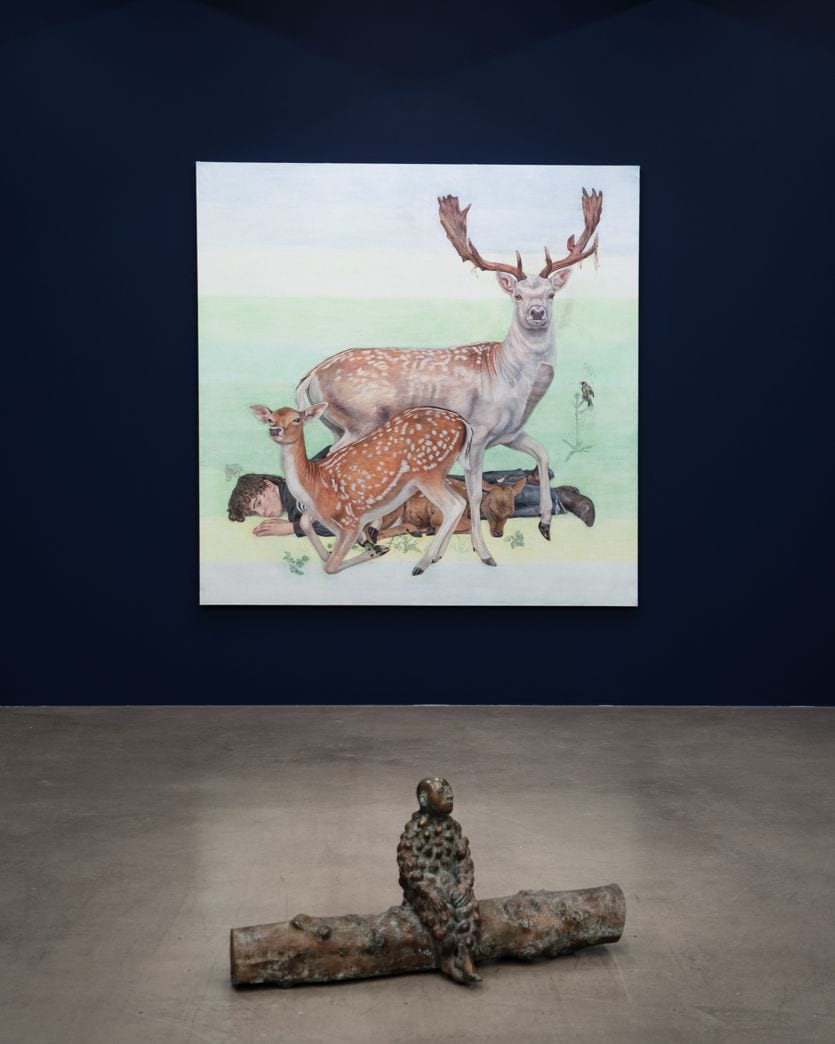
The foundation that aims at a more inclusive and egalitarian art world does not have a fixed location, it deals with publications, student grants, meetings with artists, institutional acquisitions, art residencies - such as the one named after Sigrid Hjertén, which will be held in France, close to the Spanish border.
The search
The protagonists of the "Spellbound" exhibition are Swedish artists with a spiritual matrix such as Tyra Kleen and Hilma af Klint, surrealists known to the general public thanks to growing museum attention such as Leonor Fini, Dorothea Tanning, the Venezuelan Marisol Escobar, to whom the Louisiana Museum in Humlebæk (Copenhagen) has just dedicated an exhibition.
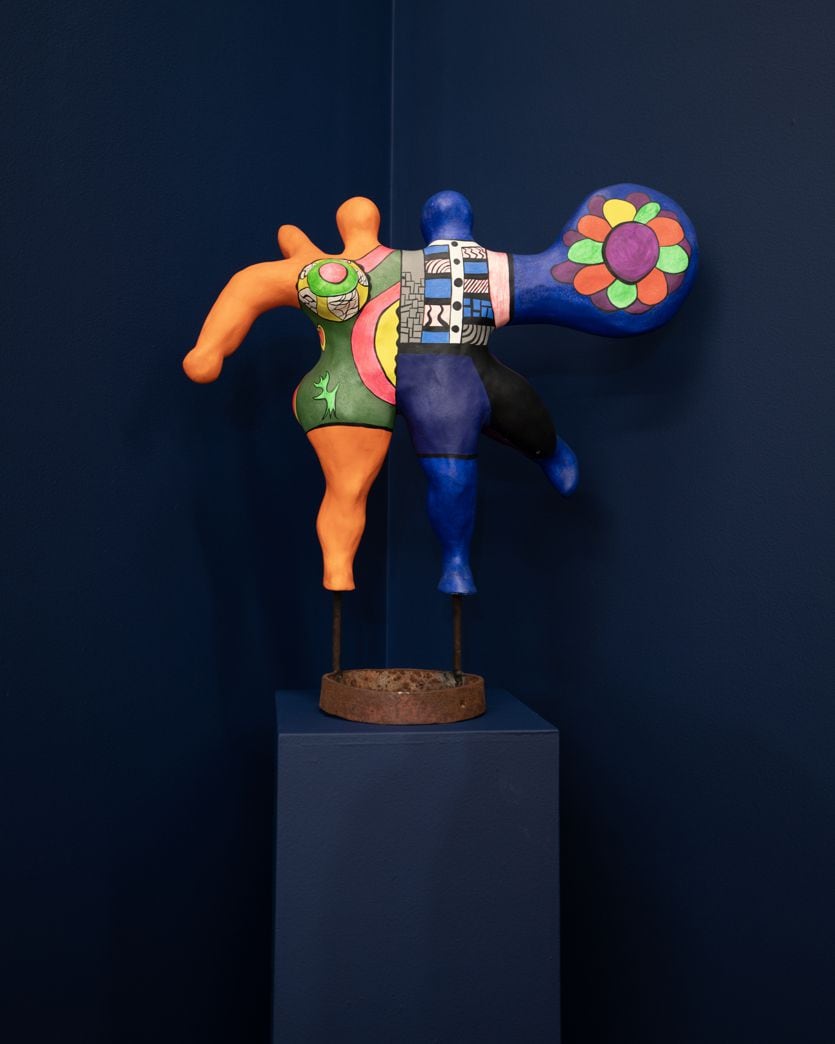
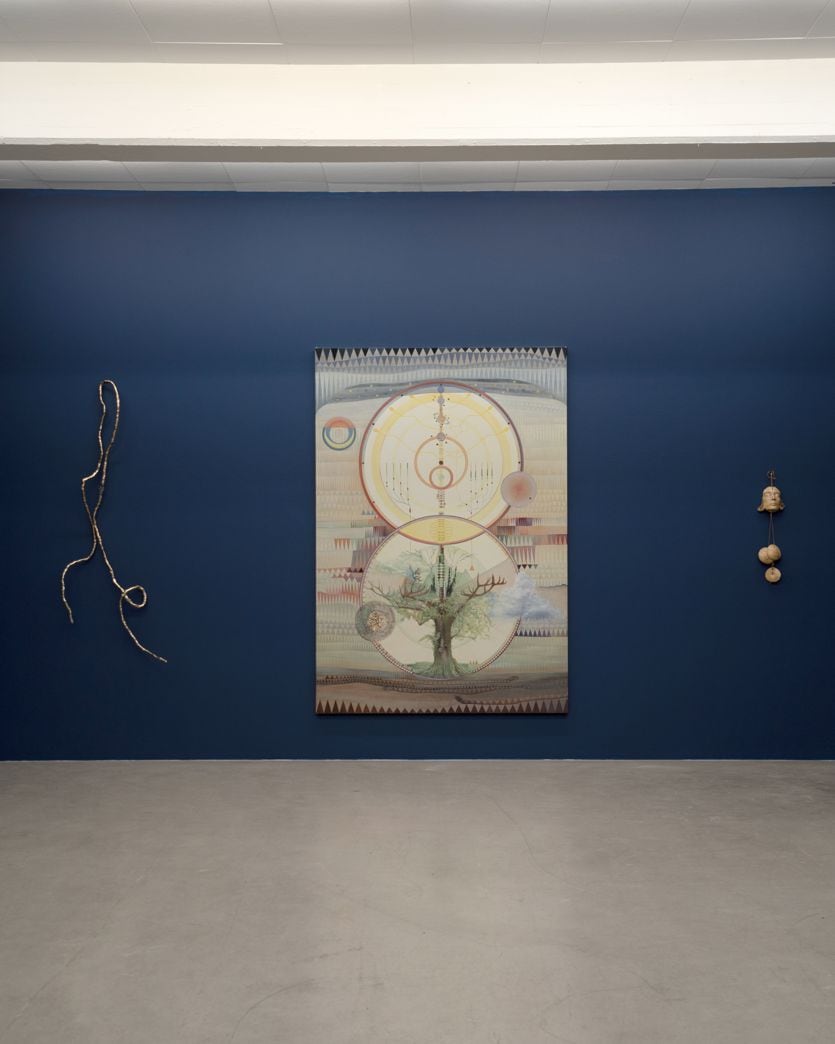
However, we would like to focus on a few names of Swedish artists selected by the curator Jennifer Higgie. Figures emerge that interweave nature, memory, spirituality and formal experimentation, delineating an alternative Nordic genealogy. Christine Ödlund (1963), represented by CFHILL, works at the intersection of art, electroacoustic music and science. Her practice stems from studies on plant communication conducted in academia: plants, she explains, react chemically to stress, produce sounds, possess forms of memory. Several media merge in his works; in one painting, a cosmological vision is manifested in which the tree becomes Axis Mundi, an incarnation of the Yggdrasill of Norse mythology. Snakes and deer guard the roots of the world, while graphic signs resembling musical notations allude to an undeciphered language between different species.
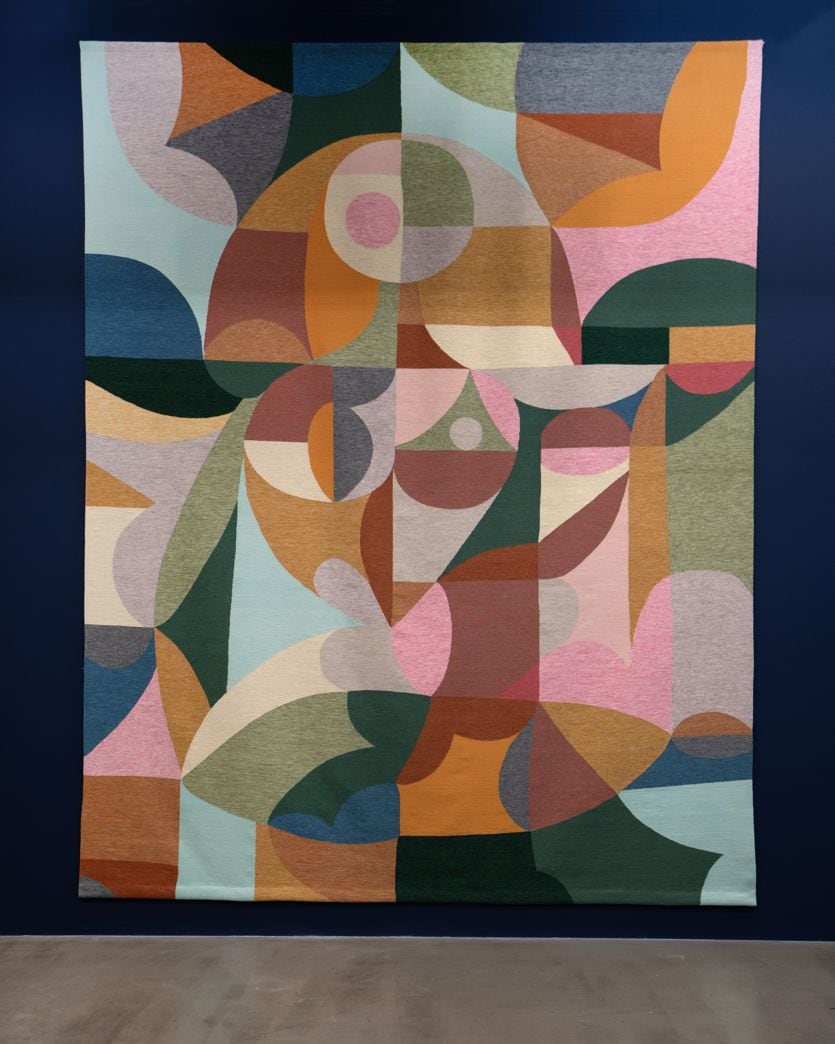
The aim is to overcome the barrier that separates us from the plant kingdom, "plants do not have faces, which is why it is difficult for us to empathise", yet they have an invisible intelligence that has always taught mankind the beauty of cooperation, while respecting diversity. The price range of the works goes from SEK 40,000 to 450,000 (about EUR 3,700 to 42,000). Also Ann Böttcher (1973), represented by the Nordenhake Gallery, deals with landscape, folk tradition and literature. Her graphite drawings, often dedicated to spruce trees and the forest, are based on archive material and samples from Nordic art history, from the Baroque onwards. In the works of 'The Sweden Series', exhibited at the Moderna Museet, the tree is a symbol of national history and is linked to rituality. The urban dimension emerges, on the other hand, with Barbro Östlihn (1930-1995), who has long remained in the shadows compared to her husband, the pop artist Öyvind Fahlström.