Splatoon Raiders: the squid that made a mockery of shooters is back on its own
This spin-off brings the Splatoon universe into the realm of looter-shooters: solid progression, fluid action and short missions, but little variety and a design that’s a bit too cautious.

When Splatoon arrived on the Wii U in 2015, it seemed like something that had fallen from another galaxy. Nintendo was venturing into the realm of shooters – at that time dominated by soldiers, rifles and cities reduced to rubble – bringing with it squids, colours, electronic music and water pistols. To win, you didn’t need to eliminate more opponents: you had to colour the floor. A small, liquid revolution that proved once again that anything can be reimagined creatively. Even a shooter, which in the world of video games is the closest thing to a ‘regulated market’ – much like the banking sector.
Eleven years on, the video game industry seems less keen to venture into the unknown. Production costs are rising, development times are getting longer, and publishers prefer to milk familiar franchises. Remakes, sequels, spin-offs: the new often arrives wearing an old T-shirt. *Splatoon Raiders*, released on 23 July 2026 on the Nintendo Switch 2, falls into this category. But it does so, once again, with a certain degree of ingenuity.
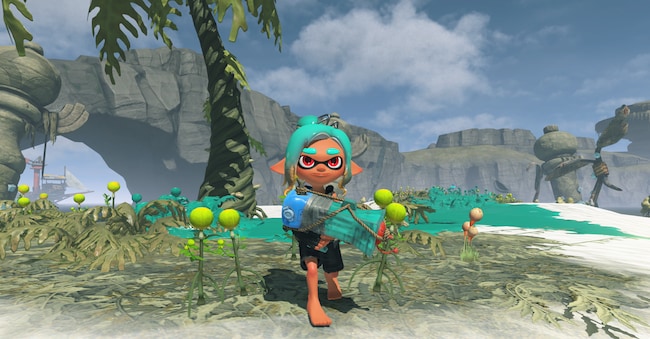
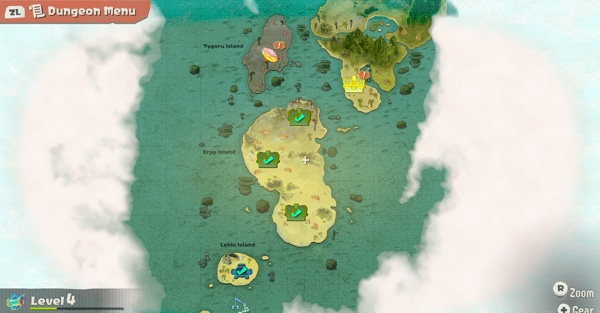
Raiders takes the movement and combat system from Splatoon and transfers it to an adventure designed primarily for single-player. You play as the Engineer, shipwrecked on the Spirhalite Islands alongside the Triglio Trio. The aim is to explore the archipelago, collect treasures and fend off hordes of Salmonids. A member of the trio accompanies you aboard an exploration robot, providing covering fire.
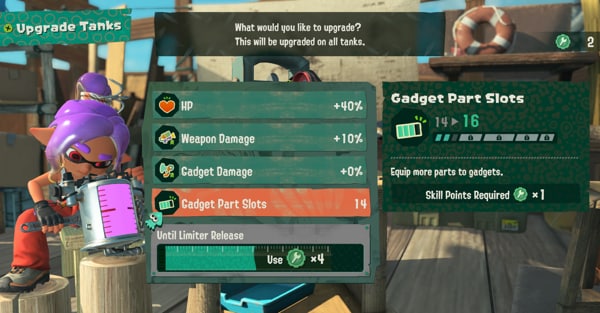
The game is structured like a Nintendo-style looter-shooter. You head out on a mission, shoot, collect loot, return to base and upgrade your gear. Then you start all over again. It’s a loop designed to deliver small doses of satisfaction.
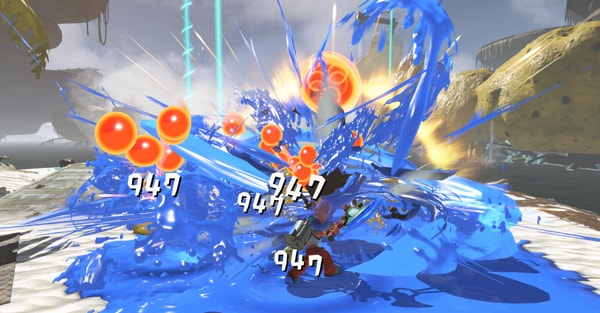
The core of Splatoon still works brilliantly. Swimming through ink, resurfacing behind enemies and switching weapons retains a rare sense of kinetic energy. Blades, blasters, rollers and splasher guns allow you to build different set-ups, whilst gadgets and tanks alter speed, power and tactical approach. The missions are short, often suited to sessions lasting just a few minutes, and the tutorials introduce the systems without turning into instruction manuals for household appliances.