
Sports facilities, public investment of 400 million
Simico's interventions focused on the upgrading of existing facilities and competition venues in Lombardy, Veneto and the autonomous provinces of Trento and Bolzano

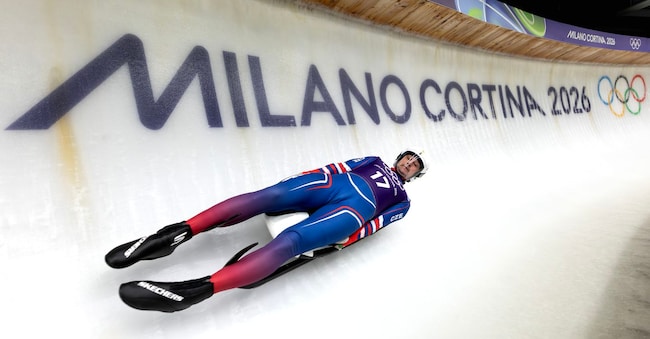
There are 12 sports facilities for the 2026 Winter Games. The philosophy of the Sustainable Games has involved the decision to use mainly already 'specialised' sites, such as Anterselva for the biathlon, taking advantage, if anything, of the opportunity of the Five Circles competitions to upgrade the facilities and make them even more welcoming and efficient. In fact, the Santagiulia arena in Milan was built from scratch, and the most significant modernisation work was concentrated on the Sliding Centre in Cortina, the famous bobsleigh, luge and skeleton track, and on the ski jumps in Predazzo in Trentino.
Overall, the sports facilities absorbed around EUR 635 million. Specifically, Simico, Società Infrastrutture Milano Cortina, the company owned by the Ministries of Economy and Finance and of Infrastructure and Transport (each owning 35%), the Lombardy Region and the Veneto Region (each owning 10%), as well as the Autonomous Provinces of Trento and Bolzano (each owning 5%), invested 360 million in public funds, between Cortina d'Ampezzo, Anterselva, Predazzo, Tesero and Livigno.
In the city of Milan, on the other hand, the 16,000-seat 'Santagiulia Ice Hockey Arena', which will host the ice hockey tournament, was built by the German entertainment giant Eventim (which operates in Italia through its subsidiary TicketOne) with an initial investment of 180 million. The increase in commodity prices has led to increases of some 90 million, which will be partially financed by the government, the Lombardy Region and the Municipality of Milan. The August 2025 Sports Decree allocated 21 million for extra costs, to which 30 million were added by the so-called "Anticipi" decree of November. After the Games, the hall will be the venue for sporting events and concerts.
Also in Milan in Rho, in the spaces where the Expo was held over 10 years ago, the 'Milano Rho Ice Hockey Arena' (4,000 spectators) for ice hockey matches (Halls 22-24) and the 'Milano Speed Skating Stadium' with 7,500 spectators for speed skating (Halls 13-15) have been created. The cost incurred by Fondazione Fiera Milano was approximately 25 million. After the Olympics, Halls 13 and 15, jointly renamed 'Live Dome', will become Europe's largest indoor venue for concerts and sporting events. The Live Dome will be ready in January 2027 after a conversion that will cost 12 million and will be able to accommodate up to 45,000 spectators. Lastly, the Forum di Assago denamed the "Milano Ice Skating Arena" will be the venue for figure skating and short track competitions.
In Cortina d'Ampezzo, the investments for sports works amounted to 157.4 million. The new 'Eugenio Monti' slope, the Sliding Centre, cost a total of about EUR 127 million. The extension, the adaptation of the changing rooms and the extraordinary maintenance of the roofing for the Cortina Olympic Stadium (venue of the curling matches) cost 22.2 million. 8.6 million was spent to improve the ski slopes at the Tofane.


