
Stadiums and concerts: during heatwaves, large gatherings increase the risk of harm and death
Between 1980 and 2025, there were almost 500,000 medical interventions at major events. Of these, over 22,000 were linked to extreme temperatures

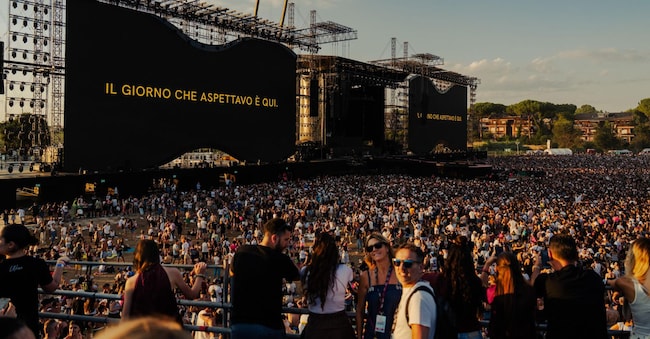
As the frequency and intensity of heatwaves have increased, health problems linked to extreme temperatures have become a public health risk, particularly during major sporting, religious and cultural events. According to the World Health Organisation (WHO), studies published between 1980 and 2025 document nearly half a million medical interventions during large-scale gatherings. Of these, over 22,000 cases are heat-related. To help countries prevent such situations, the WHO has published new guidelines promoting a rethinking of safety measures.
Major events
Temperatures are continuing to rise across the globe, jeopardising people’s health, particularly that of the most vulnerable groups. According to the Intergovernmental Panel on Climate Change (IPCC), extreme heat events, including heatwaves, have become more frequent and intense across most of the globe since the 1950s, primarily as a result of climate change. The WHO estimates that there has been a 63 per cent increase in heat-related deaths globally since the 1990s, with an average of 546,000 deaths per year between 2012 and 2021.
The importance of on-site healthcare systems
In this context, events that attract tens of thousands of people can pose an additional risk, due to long periods spent in the sun, overcrowding, limited access to water and a lack of familiarity with local climatic conditions. However, the World Health Organisation also points out that when on-site healthcare systems are well organised, over 90 per cent of patients can be treated directly at the event venue, thereby significantly reducing the pressure on hospitals and ambulance services.
The risks
“Extreme heat,” warns Chikwe Ihekweazu, Executive Director of the WHO’s Health Emergencies Programme, “poses a growing threat to health, safety and operational continuity during large gatherings.” For this reason, it must be addressed “not only as an environmental risk, but as a crucial challenge at the operational and governance levels”.
Protection, Ihekweazu continues, “cannot depend solely on individual behaviour. By strengthening risk assessment, preparedness and response, we can reduce immediate damage and promote safer and more resilient event organisation in a warming world”.

