
Standard time or summer time? The divide that splits Europe
Whilst in the past the main argument for retaining winter daylight saving time was energy saving, the debate today has shifted to the areas of public health, lifestyles and economic balance.

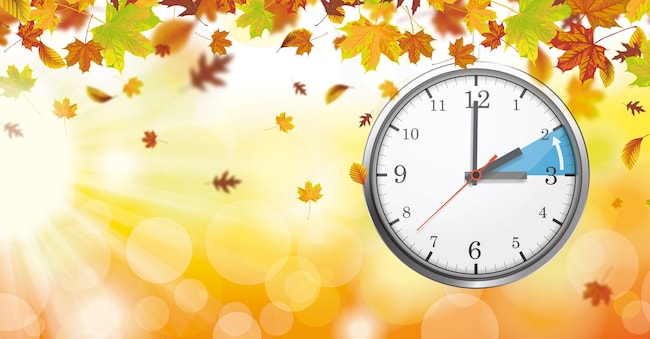
On the night between Saturday 24 and Sunday 25 October 2026, clocks in Italy will be set back by one hour, marking the switch to standard time. This seasonal ritual periodically reignites the long-standing debate on the abolition of the twice-yearly time change, but the nature of the discussion has changed.
Whilst in the past the main argument for retaining winter daylight saving time was energy saving, the debate today has shifted to the areas of public health, lifestyles and economic balance.
Permanent summer time
Although extending day-light saving time to the winter months would lead to a further (albeit fractional) saving in national electricity consumption, the debate has now shifted to lifestyle issues. Supporters of permanent summer time emphasise that an extra hour of natural light in the late winter afternoon could provide a significant boost to retail, the hospitality sector and tourism. Less dark afternoons would encourage people to spend time in public spaces and offer greater opportunities for outdoor physical activity after work, with positive effects on social life and the local economy. These are, however, potential benefits, the actual extent of which would need to be assessed.
The doctors’ veto
Keeping winter daylight saving time, however, does not make the days longer; it simply shifts one hour of daylight from the morning to the evening. It is precisely this shift that has raised concerns amongst the international scientific community. Recent official statements from leading sleep societies, including the British Sleep Society, reiterate that maintaining standard time all year round is the only option that is safe for public health. Doctors and neurologists agree on the need to abolish the twice-yearly time change (considered a stress factor for circadian rhythms), but believe it is essential to adopt standard time permanently. Natural light in the early hours of the morning is, in fact, vital for synchronising our biological clock and promoting a natural awakening. Being deprived of it in winter would seriously disrupt sleep-wake cycles.
In Milan, the sun is said to rise at 9
Under winter daylight saving time, at the solstice (21/22 December) the geographical difference would become apparent, particularly in the north: astronomical calculations confirm that the sun would rise at 9.04 am in Turin, at 9.00 am in Milan, at 8.34 am in Rome and at 8.23 am in Naples. Millions of students and workers would start their working and school days in total darkness for an entire term, facing the coldest temperatures without the comfort of the sun. This would lead to increased fatigue, chronic sleep deprivation, a decline in concentration and mood disorders.

