
Starmer: 'Reform and Greens do not offer solutions. We will nationalise British Steel'
The British PM accused the two most successful parties in last week's vote, Reform and the Greens, of 'sowing division and resentment'
by Nicol Degli Innocenti
 Aggiungi Il Sole 24 Ore
ai preferiti su Google
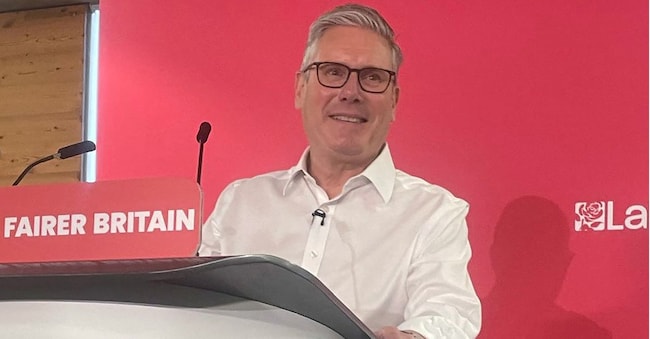
LONDON - Operation last resort for Keir Starmer: the British Prime Minister gave a speech this morning to convince the country and the Labour Party that despite the ruinous defeat election he remains the right person to lead the government.
Starmer, usually mild-mannered, was harsher and clearer: he accused the two most successful parties in last week's vote, Reform and the Greens, of 'sowing division and resentment' and of 'talking about problems without being able to offer solutions'. He called Nigel Farage, the founder of the populist, anti-immigration Reform party and the architect of Brexit, 'a fraud and an opportunist'.
Leaving the EU, he said, 'has made us poorer and weaker'. That is why Starmer promised 'a great leap forward' in relations with the EU at the bilateral summit planned for this summer. The first concrete step in this progressive rapprochement with the EU will be a mobility programme for young students and professionals. "Our young people must be able to study and work in Europe, they are a symbol of our hope for the future," said Starmer.
A country deeply divided over Europe
The PM is aware of the deep divisions over Europe that remain in the country, ten years after the referendum: many of the nearly 1,500 councillors that Labour lost in last week's local elections were in parts of England that had voted 'Leave' and have now chosen Reform.
That is why in his speech the premier also made proposals aimed at the citizens of the most disadvantaged parts of the country, promising to create and save jobs. Already this week, he announced, the government will start procedures to nationalise British Steel, which has been in crisis for some time and is already under temporary control in London to avoid closure. 'Public ownership in the public interest,' Starmer said, 'because having sovereignty over steel is fundamental.

