
Stellantis, CEO Filosa: 'Radical business reset necessary to return to growth'
'We are reviewing our supply-chain related electrification' - Half a billion provision for light commercial fines, 'EU regulation penalises manufacturers'

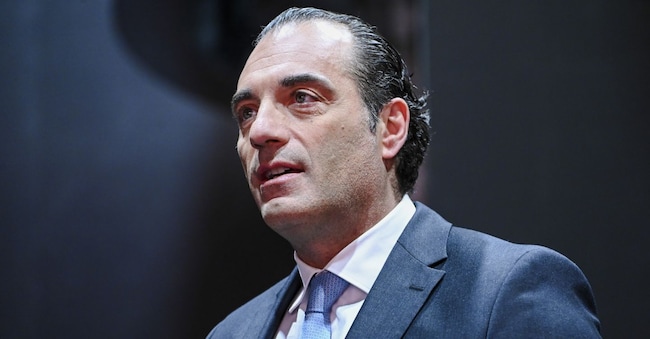
No capital increase is necessary but a 'deep business reset', as Stellantis CEO Antonio Filosa defines it, to return to growth and correct the damage caused by an overestimation of the pace of the energy transition and wrong choices made in the past. This was reiterated by Stellantis' number one when meeting a group of Italian journalists before the call with analysts. The numbers released by the Group in the morning alarmed the market, which saw the share price drop below EUR 6.
Filosa highlighted 'a number of encouraging signs' in reference to the recovery of volumes in the market, with deliveries up 9% in the third quarter of 2025 and the order book recovering strongly in the US (+150% in 2025 over 2024) and Europe (+24%). He mentioned the investments made in the US - USD 13 billion - and in Europe, a region that saw the launch of 10 new models last year. 'This strategic review of the business is needed to return to growth, and to grow we must invest,' he insists. More could be done in Europe, he adds, but regulations that go against the interests of manufacturers are weighing heavily.
The investments required by the energy transition and the quagmire of the electric car market have in fact generated an industrial and financial short-circuit that is weighing on the entire sector, to which must be added an overly ambitious and unclear regulation for the Old Continent, which is penalising, explains Filosa, not only the automotive sector but also the world of light commercial vehicles.
"We have set aside half a billion in 2025 for the issue of fines on commercial vehicles alone. The direction indicated by Acea, the association that represents all European manufacturers, is very clear: we need a major revision of the targets for cutting CO2 emissions, because those currently envisaged are unattainable, and we need to give more time, at least five years to the commercial sector, to reduce the impact of the fines envisaged by Brussels.
While in the United States Stellantis is investing to increase production capacity, partly due to the impact of President Trump's tariffs policy, in Europe the issue is production overcapacity, a market that remains weak, and regulation. "The main difference between the American and European markets lies in regulation,' Filosa reiterates. 'We will continue to invest in the EU but we could do more and it is difficult because the rules imposed are not clear and penalise European manufacturers.


