
Stellantis, business plan reorganises brands and tries to put customers back at the centre
Reorganisation focuses on four global brands
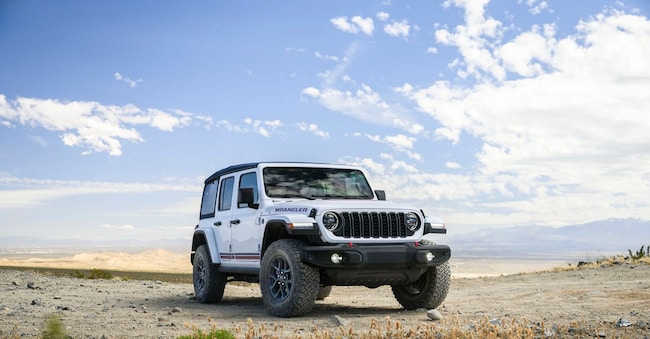
We have been waiting for it for almost a year and the Fastlane 2030 industrial plan of Stellantis, the first of the Filosa regency, does not make sparks (and this was not to be expected) but pragmatically seeks to put order in a galaxy of brands (14 excluding the Chinese Leapmotor) some of which exhibit homeopathic sales such as Alfa Romeo, Ds and Lancia. In the industrial plan, there appears to be a push into the USA (former CEO Tavares had forgotten the American role of an Atlantic multinational such as Stellantis, which is French, Italian and American) and a revalorisation of the Jeep brand which, having originated in the USA, is now very European with models such as Avenger, Compass (and before that Renegade). And it is one of the most solid brands in the world in terms of recognisability and DNA. A rare pearl that has now become one of the four cornerstones of a 60 billion euro plan that aims to develop and launch 60 new vehicles by 2030, and, mind you, 'vehicles', because alongside real cars there are e-cars (a smoky EU category) and quadricycles.
The other three pillars are Ram, an all-American brand, but important because pick-ups are the best-selling vehicles in the States, and then, always first among equals, Peugeot and Fiat. Yes, precisely the Italian brand, important politically in the group but above all for its role in South America. Fiat's focus in Europe is on small cars, including quadricycles that look like cars but are not, such as the announced Quattrolino or the e-cars, an EU category of economy cars that raise questions about safety and Adas equipment Simple, they become regional brands with globally managed production and some of them become little more than sub-brands. This is the case with DS, which returns, as it should, under Citroën, a European regional badge, as does Lancia, which becomes part of Fiat, along with Abarth. A rational choice that should have been made earlier, perhaps avoiding inventing models with no chance of success like the electric Abarth or the Dodge Charger Ev. Alfa Romeo becomes a regional brand, therefore linked to the old continent, but there will be developments thanks to the synergies of what seems to be the big news in Antonio Filosa's plan: Stla One, a unified and modular architecture for the three segments B, C and D and which will absorb the Medium and Large platforms. The fate of the announced and never seen Stla Small platform is unclear. It must be said that for the small cars there are also partnerships with the Chinese Leapmotor and Dongfeng, masters of electrics of all sizes and of extended range powertrains, an important technology ignored by Tavares, but which Filosa puts back at the centre of a global multi-energy strategy where this type of hybrid, together with the classic plug-ins, become strategic. Fastlane's plan thus sounds like a wake-up call to all car players and seems to be saying: no more rushing ahead with premature 'all-in' on electrics, putting the customer back at the centre, because in the end the market is made by those who buy and choose.


