
Google beats estimates. Microsoft OK, but scares Capex too high
Meta, due to an extraordinary charge, brakes on profitability and falls in after hours.

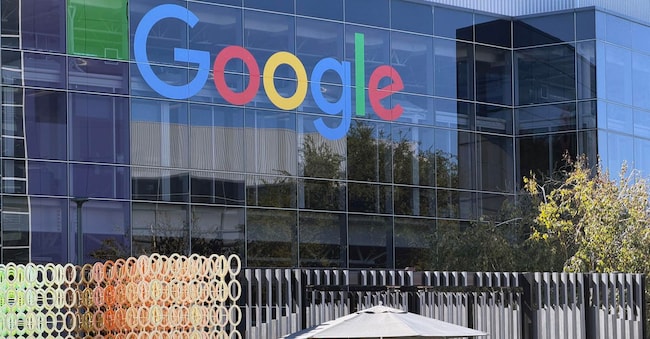
The market was waiting for them. And, at last, they arrived. What are we talking about? The quarterly figures of Microsoft, Alphabet and Meta. Yesterday, as Nvidia crossed the $5 trillion mark in capitalisation, the numbers were published.
The big "G" and Meta
Ebbene, con riferimento ad Alphabet i ricavi - nel terzo quarter del 2025 - si sono assestati a 102,3 miliardi. Il dato implica il rialzo del 16% su base annua (+15% a cambi costanti). L’utile per azione (Eps) diluito è invece risultato di 2,87 dollari. Cioè un valore superiore alle stime di consensus. Dal canto suo Meta, ha realizzato un giro d’affari di 51,24 miliardi (numero maggiore delle stime raccolte da Zack). L’Eps diluito, tuttavia, si è fermato a 1,05 dollari. Il numero è in forte calo rispetto ad un anno prima. Il motivo? Perché la società ha registrato un onere straordinario di quasi 16 miliardi, legato al provvedimento approvato da presidente Usa Donald Trump e soprannominato “Big Beautiful Bill”. Inutile dire che il listino ha penalizzato, nell’after hours, il titolo che è arrivato a cedere oltre l’8%.
Microsoft and the Capex
On the decline - immediately after the accounts lost 3% - Microsoft itself. Revenues - in the first quarter of the financial year 2025- 2026 - were 77.7 billion. Non-GAAP diluted earnings per share, on the other hand, were 4.13 dollars. Both accounting items are above analysts' estimates. The market's disappointment, on closer inspection, concerns the fact that the company indicated that it had spent almost 35 billion on Artificial Intelligence (AI). A very high figure, which, on the one hand, overshadowed the growth of the cloud division; and which, on the other hand, intimidated the operators.
The bubble risk
The global race for new technology has - precisely - triggered a cycle of investments unprecedented in the recent history of innovation. Market estimates converge on the fact that in 2025 alone, the four big American hi-tech giants - Microsoft, Amazon, Alphabet and Meta - could allocate up to 400 billion dollars in capital expenditure for data centres, computational power, proprietary chips and energy infrastructures dedicated to Artificial Intelligence (Ai). This is a scale that exceeds, at purchasing power parity, the amount spent on building the entire American interstate highway network over a period of more than forty years.
Hope
The difference is that, in this case, the demand does not yet exist in its full form. It is an early bet. A 'build first, justify later' model: investments are now being made on the belief that Ai will quickly become the new engine of global productivity. Satya Nadella has publicly admitted that he hopes it will not take fifty years, as it did for electricity. Mark Zuckerberg has stated that Meta is investing as if it would take much less.


