Of stone and water: a monumental example of Land Art open to the public
Andy Goldsworthy's latest project has sprung up in Yorkshire: 10 ruined buildings, part of the area's mining past, are transformed into world-works, to be discovered on a 10-kilometre trek across the moors.
8' min read
8' min read
It is a warm autumn morning full of light when my train leaves King's Cross station in London. A couple of hours later I get off at Northallerton and it is decidedly colder, the sky is gloomy, leaden grey. 'Here, this is pure North Yorkshire,' the taxi driver tells me with a laugh. Time to reach the starting point to visit the immense Land Art work Hanging Stones, and here I am in another world, grappling with the elements of nature and a landscape that is part primordial, part open-air cathedral of art.
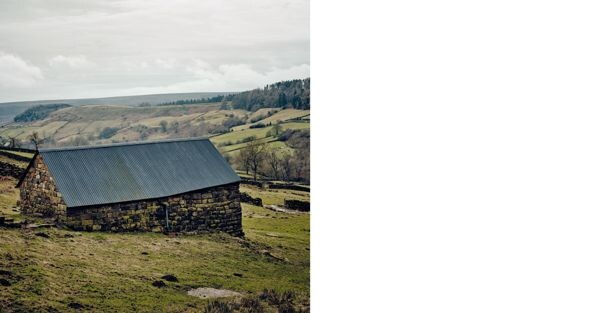
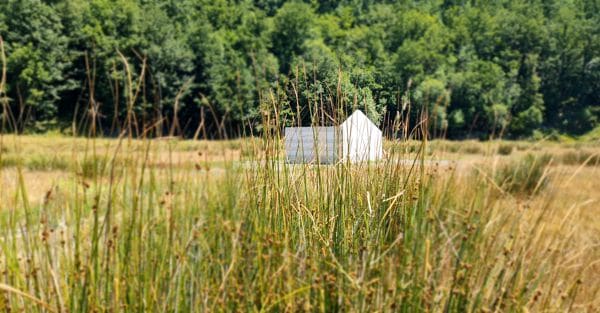
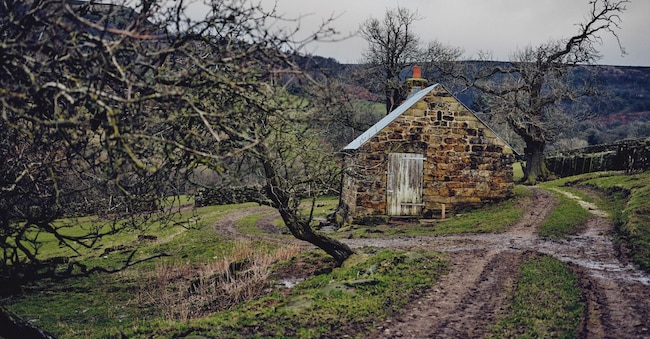
Hanging Stones began to take shape a decade ago, when David Ross, British communications magnate and philanthropist, was preparing for a significant birthday, his 50th. Having co-founded Carphone Warehouse in 1989 and amassed a fortune that is estimated at over £1 billion, Ross has devoted most of his attention and funding to art and music (he is chairman of the board of the National Portrait Gallery and recently donated £4 million towards its restoration and refurbishment project; last June he launched the Nevill Holt Festival at his estate in Leicestershire). Ross also owns a considerable estate - some 12,000 acres, over 4,800 hectares - in Rosedale, a breathtakingly beautiful valley in Yorkshire. So, he decided to celebrate a milestone birthday by commissioning a piece of land art on his estate, which lies within the North York Moors National Park. A land where some public rights of way still apply, offering free access to those wishing to trek across the moors. The landscape is dotted with strange stone buildings, such as small barns, most of which have long been abandoned and are in various states of disrepair, when not total ruin.
Ross drew up a list of famous artists to be considered for the project, and at the top of the list was Andy Goldsworthy. Goldsworthy is one of the main protagonists of the so-called Earth Art Movement and owes his fame to ephemeral constructions of leaves, twigs, reeds and other fleeting elements. He is primarily a sculptor whose monumental works are made of stone and other natural materials, and he has deep ties to Yorkshire: he grew up not far from Leeds and for years his parents lived in Pickering, near Rosedale. It was in this agricultural landscape that the artist, now 68, was trained: 'Farming is a very sculptural activity. Erecting hedges, building walls, it's the origin of everything," he explains.
In the UK, Goldsworthy did not carry out many projects. He has mostly worked abroad, often in the United States, where institutions such as the Metropolitan Museum of Art, Stanford University and the Presidio of San Francisco have commissioned several works from him. Popular TV presenter Martha Stewart was absolutely thrilled when she discovered that the artist was building a sinuous stone curb over 400 metres long in Bar Harbor, Maine, where she has a holiday home. The The New York Times wrote about it in enthusiastic tones: 'Goldsworthy is a figure of extreme purity, à la Thoreau'.
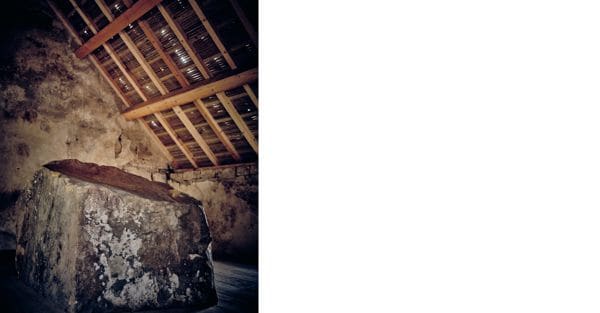
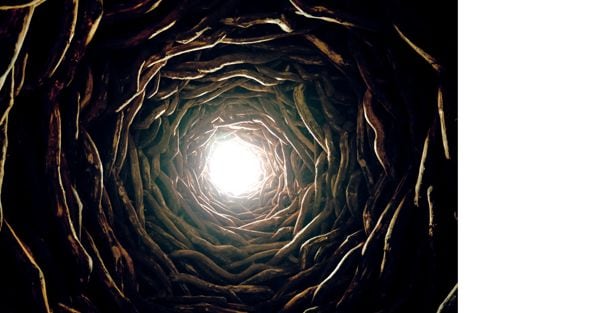
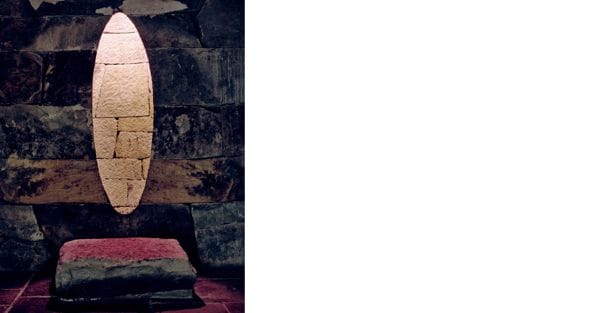
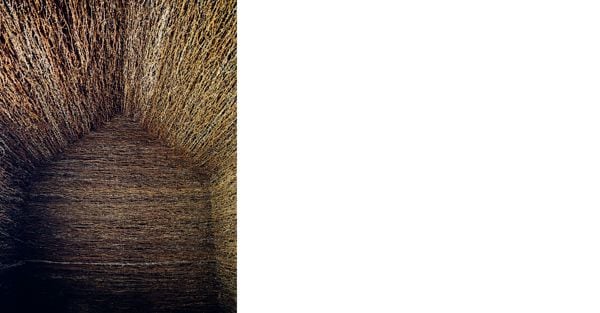
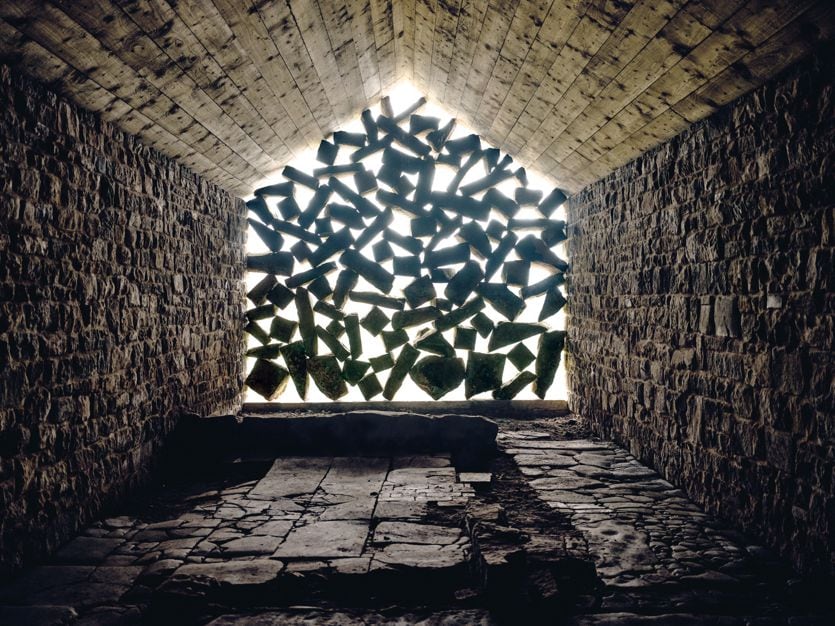
After being approached by Ross, Goldsworthy conceived a project to reconstruct one of the abandoned stone buildings and turn it into a work of art. Today, when the project is complete, the visitor who opens the door finds himself in a semi-darkened room with a large fire-blackened branch protruding through the rafters, while a soot-covered chimney seems to be waiting for more wood to be turned into new smoke. A surreal and very earthy place at the same time. Ross was extremely pleased with what he calls "Andy's desire to create a work that encapsulated many elements of what he has done previously in different parts of the world".