Stop in Augsburg in the heart of Bavaria to discover the traditions of a former imperial city
It was here in 1950 that the Romantic Road was born, a cooperation between historic German locations along a 460 km route and including 29 destinations
4' min read
4' min read
It is well known because it was here that 'The Romantic Road' was founded in 1950 as a tourist cooperation between historic German towns, but Augsburg offers much more than just a stage on a 460-kilometre-long route through Bavaria with 29 destinations. From a former imperial city to the seat of important dynasties of merchants and bankers, the German city has been a financial reference point in Europe for centuries, in close contact with Italian cities and ports. Among other things, it was included in the Unesco World Heritage List in 2019 to preserve its historic water management system.
The centuries-old tradition of the Christmas market
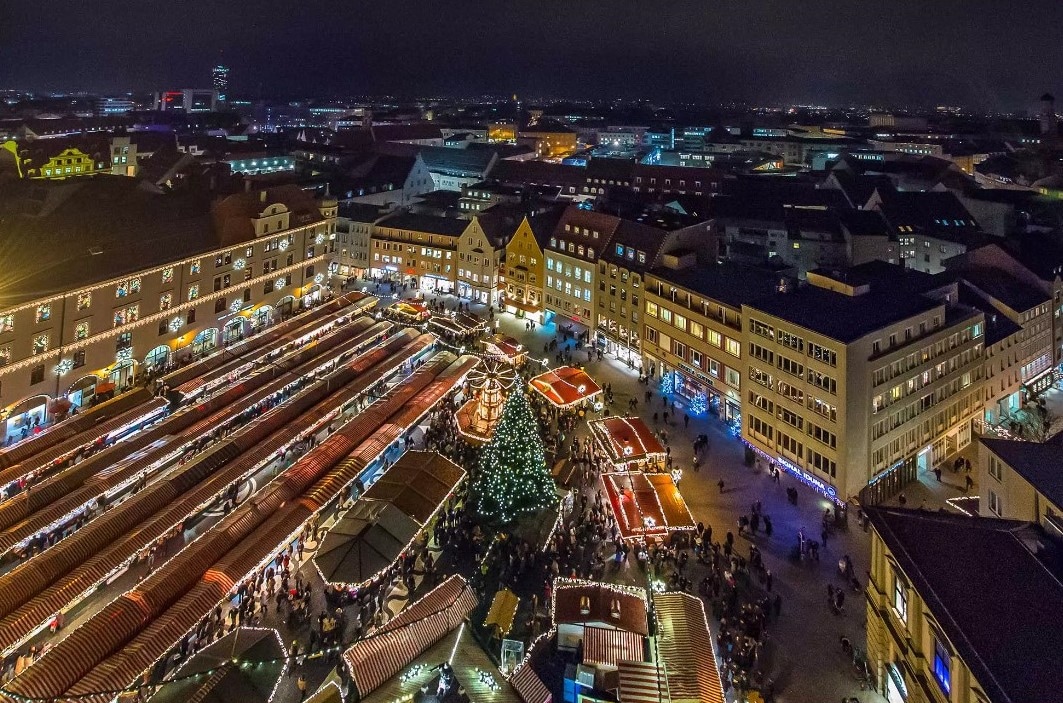
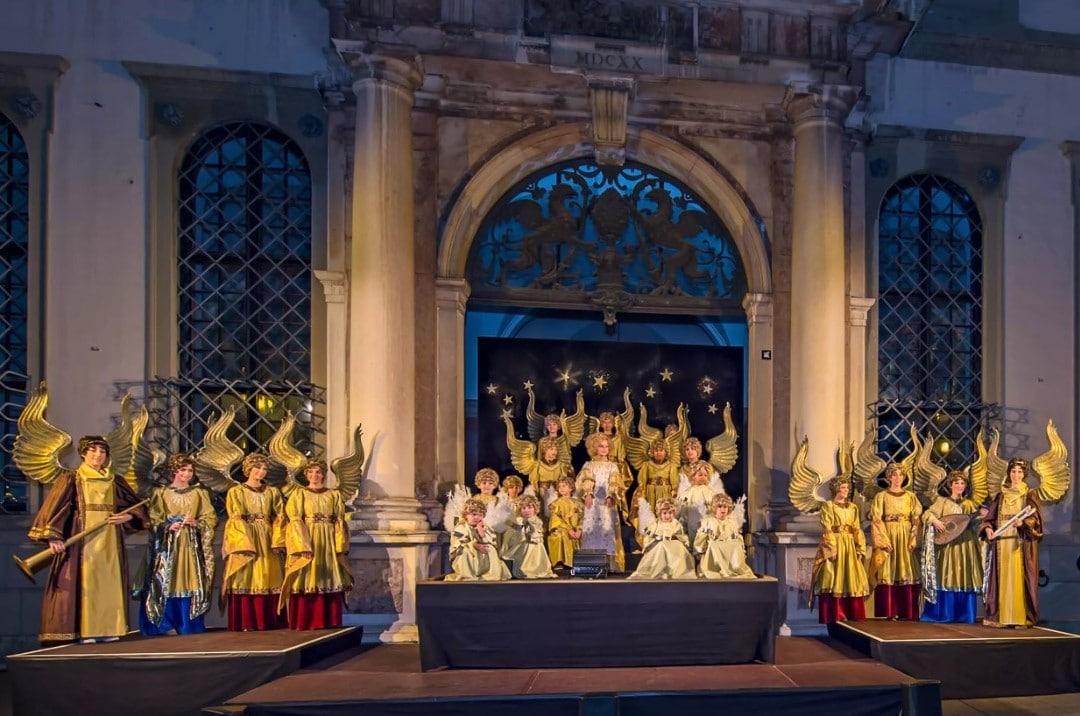
The Christmas festivities offer a favourable opportunity to stroll along the city streets. With a centuries-old tradition, the Augsburg Christmas market (Augsburger Christkindlesmarkt) is among the most atmospheric in Germany. It takes place on the Rathausplatz, framed by the majestic Renaissance town hall and the Perlach tower, which create a unique atmosphere. Christmas music, the scent of fir trees, golden lights, nativity scenes, Christmas decorations, children's toys and a rich selection of food specialities offer a complete sensory experience. An imposing illuminated Christmas tree and an eight-metre high pyramid of angels stand in the centre of the square. The bronze figure of Emperor Augustus, the city's founder, dominates the scene next to a nativity scene that recalls the biblical Christmas story. One of the most eagerly awaited events is the appearance of the musician angels from the windows of the Renaissance town hall, who will perform every Friday, Saturday and Sunday at 6 p.m. until 23 December. Designed for children, there is a special post office under the big Christmas tree. Here, letters receive the special Austrian city stamp of 'Christkindl', while the façade of the city administration building is transformed into a large Advent calendar and every day, from 1 December to 23 December at 16:45 and on 24 December at 11:30, windows are opened with illustrations created by students of the Augsburg University of Applied Sciences.
Walking the city streets
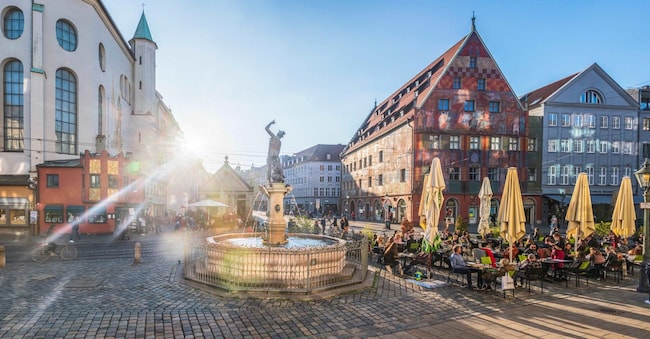
.Wandering through the streets of Augsburg, one can discover Fuggerei, a donation from Jakob Fugger the Wealthy: an entire village within the city that represents the world's first example of social housing. Further suggestions for a short visit are the Romanesque/Gothic style Augsburg Cathedral, the Rathausplatz, where the Perlachturm, one of the symbols of the city, stands and the Augustus Fountain, the first of the three monumental fountains along Maximilianstraße, a long pedestrianised thoroughfare lined with period buildings and adorned with the other two splendid bronze statues of the monumental fountains, Mercury and Hercules.
The craftsmen's route along the canals
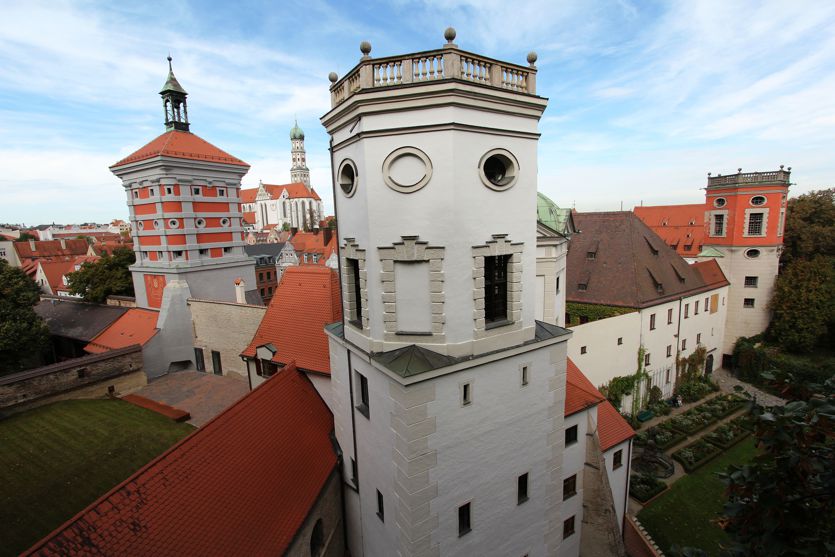
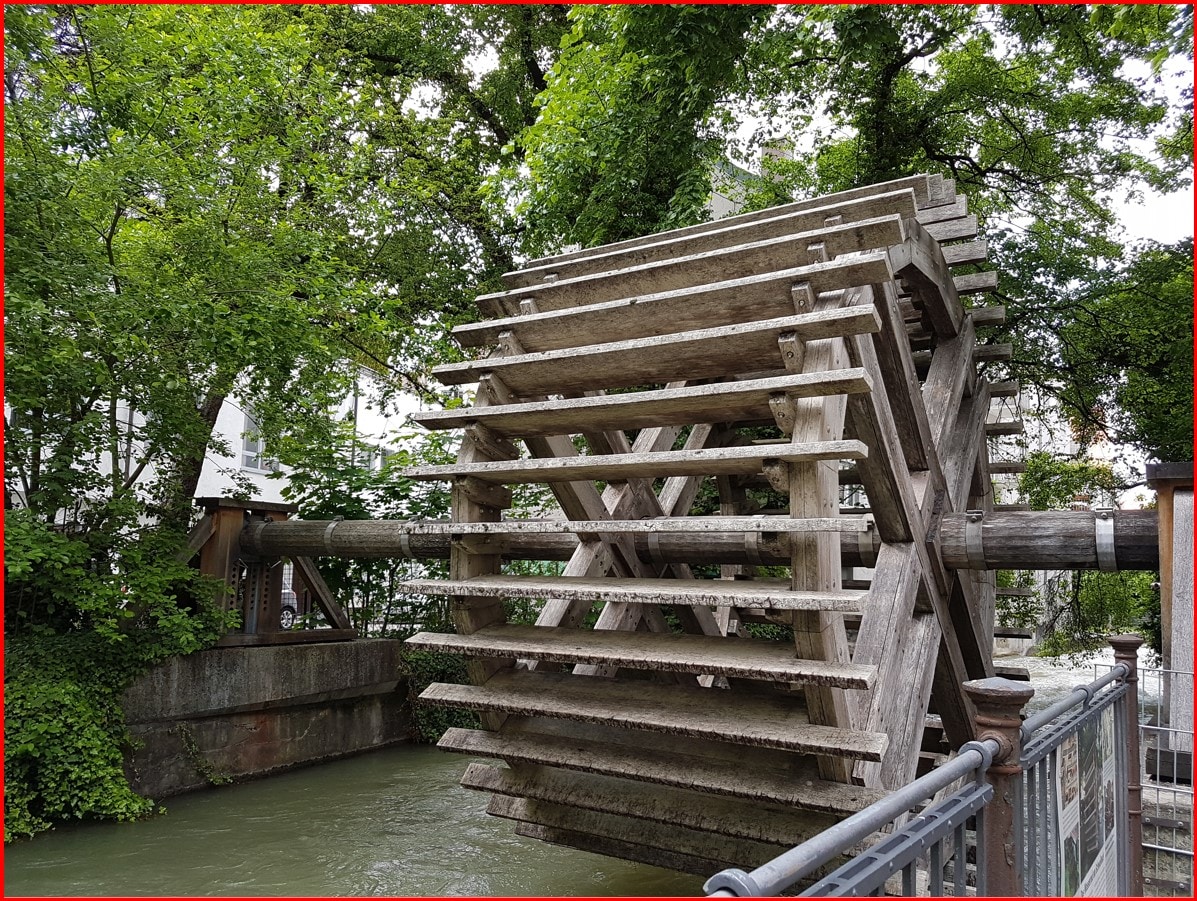
.Another attraction of the German town is the Craftsmen's Path, which runs along the canals and through the narrow streets of the old town where this romantic quarter is located. Over time, it has become a real tourist route to offer visitors. Here it is possible to discover old and modern crafts, through the digital tour, via a 'Future History' app, where the tradition of crafts is illustrated in an exciting way, through the history of trades and craft enterprises. In Augsburg, craftsmen knew how to exploit water, which was considered the 'oil of the Middle Ages', where the waters of the Lech, the Wertach, the Singold and the fountains created the primary driving force for the development of the craft sector for centuries. The craft route can begin or end with the historic water towers of the Red Gate, built at the ancient city walls. The oldest of the three towers dates back to 1416 and from 1433 to 1879 the three water towers powered the aqueduct and public and private fountains with the help of a screw turbine, a true masterpiece built by the masters who designed the city's water system. Along one of the canals of the Lech, the Schwallech, a water wheel has been reconstructed, using the original historical drawings, as a reminder of how, in the mid-19th century, there were more than 200 water wheels on the city's canals, which powered mills to supply energy to craft businesses and the entire city.
From leather tanners to Bartel family jewellery
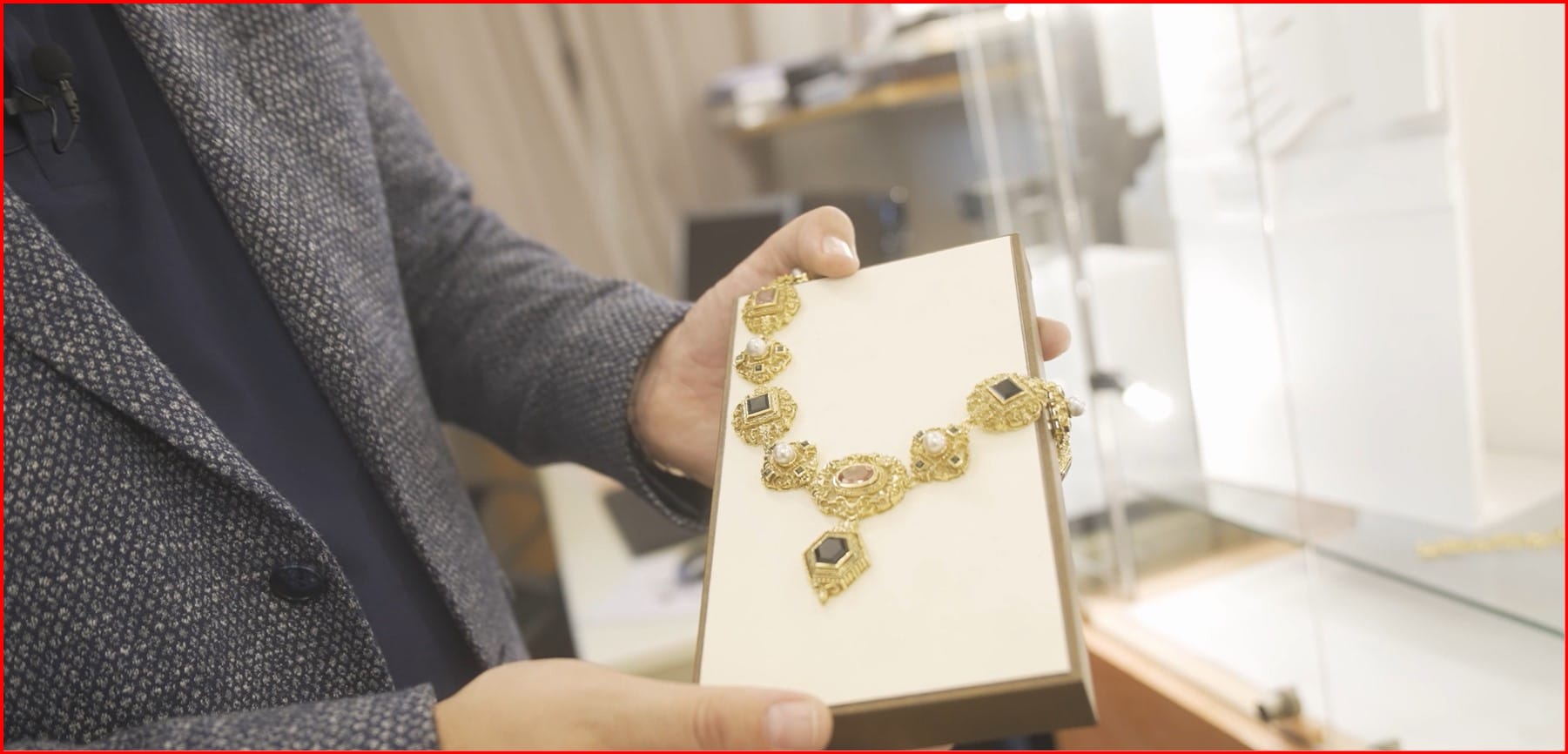
In the old town house of the Aigner tanning family is the last tanning room, still used today, as in the Middle Ages, with multi-storey floors for drying hides. In this workshop, skins are still processed according to the traditional method and custom-made garments are made. Augsburg is also known in Europe as a centre for gold and silver work and the former silversmith's house Bartel, now a historical monument, was in use as early as 1670. To this day, the third generation of the family still creates jewellery, with a symbiosis of traditional and modern craftsmanship, which today also uses the latest computer technology.