
Strategies to get out of the poverty trap
Oriana Bandiera, lecturer at Lse, receives the De Sanctis Prize for Economic Sciences today together with Francesco Lippi, who teaches at Luiss

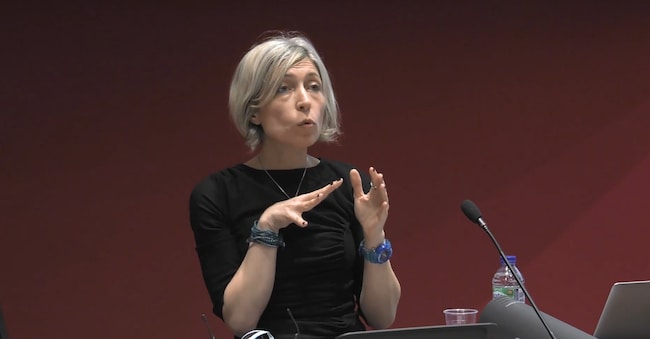
Growing inequalities? "The problem of poverty traps needs to be seriously addressed". How? "We need to redistribute not so much wealth but opportunities and always offer a way out". Oriana Bandiera teaches Economics at the London School of Economics, where she holds the chair dedicated to the memory of Anthony Atkinson.
Today he will receive at the Aula Ciampi of the Ministry of Economics the De Sanctis Prize for Economic Sciences together with Francesco Lippi, Professor of Economics at Luiss. The prize is now in its fourth edition with RAI as institutional partner, FS group and Terna main partner, Cassa Depositi e prestiti official partner, Open Fiber and Simest partner, Tgr and Il Sole24Ore media partner with the patronage of the Mef.
"Once the cycle of poverty starts, it gets faster and faster," he notes. In your studies you talk about barriers: which ones? Let us turn to education: 'Going to university is an investment. There is a cost that includes both tuition and foregone work income, and a benefit in the form of a wage differential. The problem is that the cost has to be borne years before receiving the benefit, so those from poor families often cannot afford it, even though the future benefit would be more than enough to finance it. It is easy to get rich from wealth'.
These disparities, combined with the lack of credit markets for those who need it most, 'create poverty traps. This has a cost to society because we effectively give up good doctors, engineers, teachers, and replace them with people who are less talented but by (their) luck were born into wealthy families'.
Redistribute opportunities, then, but how? "Those who are in the poverty trap have no bargaining power, cannot choose and are forced to accept jobs on less and less favourable terms. And they become increasingly impoverished. Social protection must provide alternatives. In India, for example, the federal government guarantees a number of paid working days. It is the alternative to low-wage jobs that changes the balance in the market. It could also be implemented in Europe and is certainly preferable to a transfer without remuneration. Poverty reduction is an investment in human capital'.


