
Strong ports, small companies: the missed opportunity of Sicilian logistics
The study presented by Prometeia in Catania during the UniCredit Economies Forum: Sicily accounts for 21% of national maritime traffic but the system that should intercept value from these flows is very small
by Nino Amadore
Key points
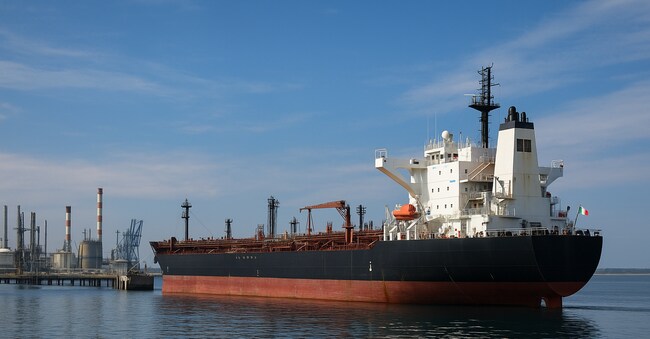
In the Mediterranean of geopolitical fragmentation - unstable routes, new trade alliances, energy crises and infrastructure congestion - Sicily appears as an economic paradox. The island moves large volumes, but produces little value. It is a strategic hub, but with a tiny entrepreneurial system. It puts tankers and import ships to sea, but has no logistics chain capable of transforming traffic into widespread wealth.
According to the study presented by Prometeia in Catania during the UniCredit Economies Forum in collaboration with Confindustria Catania and the South East Sicily Chamber of Commerce, Sicily accounts for 21% of national maritime traffic, up 4% in ten years. A share that certifies the centrality of the ports of Palermo, Augusta, Gela and Catania. Yet the system that should intercept value from these flows is extremely small: almost 6 thousand companies generate just 2.7% of the national logistics turnover, just over 4 billion euros, despite the size of the traffic handled.
Firms too small and weak home market
The disproportion is clear: Sicilian companies are small, poorly diversified and tied to a weak internal market, fragmented between emigration, low incomes and discontinuous demand. A structure that prevents economies of scale and advanced services, just when global logistics demands integration, automation and sustainability. Added to this is a dispersed territorial distribution of companies and households, which "holds back opportunities for efficiency gains", as the study highlights
Even so, the Sicilian system is not passive. Despite their small size, the island's companies have stronger balance sheets than the national average, with lower indebtedness and a greater propensity to invest, especially in haulage. Even when margins shrink, operators continue to invest, attempting to expand services beyond simple transport and warehousing
The contribution of foreign capital is also growing: foreign-controlled companies are only 0.6%, but they produce almost one fifth of the industry's turnover. A sign of strategic attractiveness rather than weakness.


