Interventions

Succession and transformation, the lesson of Francis

3' min read

3' min read

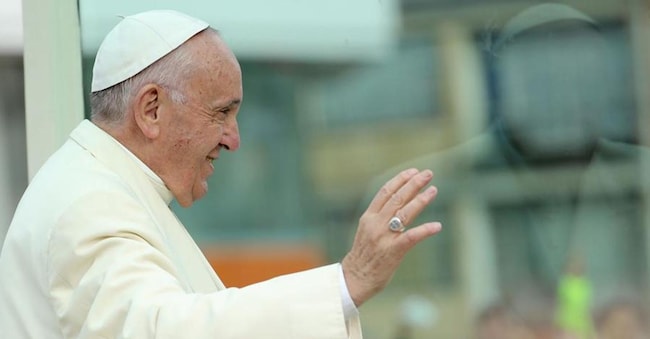
The death of Pope Francis on 21 April 2025 marks the end of an influential pontificate and the beginning of a new chapter for one of the world's oldest institutions. As the Catholic Church prepares to elect a new pontiff, useful insights emerge for leaders and organisations-especially family businesses-struggling with succession after visionary, progressive and modernist leadership.

A pontificate between tradition and innovation

Loading...

Pope Francis was a pioneer in his own right: the first Jesuit pope, the first from the Americas and the first non-European in over a millennium. He broke with tradition in tone and priorities, promoting compassion more than dogma and addressing global issues such as the environment and migration. It opened internal debate on previously taboo issues: priestly celibacy, the role of women, LGBTQ+ rights and the inclusion of remarried divorcees.

With a pastoral, empathetic and direct leadership style, he has revitalised the image of the papacy, offering a new model of leadership: firm in its founding principles, but open to change.

The weight of a transformative legacy

The upcoming succession will be crucial not only for the person who will be chosen, but for the kind of leadership the Church considers necessary at this stage. Francis was not a transitional pope - he was a reformer. His legacy is not a manual to be replicated, but an invitation to evolution.

Succeeding a transformational leader poses a unique challenge: how to honour the past without being a prisoner of it? Institutions often fail in two ways - either by clinging to the legacy of the predecessor to the point of stunting growth, or by breaking abruptly to seek 'new directions', abandoning important progress.

The key lies in the balance between continuity and innovation. Fundamental values must remain, but they must be reinterpreted in light of the challenges of the present. The next pope will have to discern which of Francis' reforms have become fundamental and which were context-bound. This same tension between inherited legacy and change is also well known to the family businesses that characterise the Italian economy.

Lessons for family businesses

Family businesses, like the Church, are based on tradition and identity. They often struggle with succession because leadership is deeply personalised. When the predecessor retires, the challenge is to maintain the mission, not replicate the style. The Vatican experience suggests four lessons for managing succession:

1. Preparing the team in good time

Francis has appointed more than 80 per cent of the cardinals who will elect his successor, ensuring that many share his vision and thus shaping the future with foresight. Businesses, too, need to build a talent pool early on that understands and can perpetuate the predecessor's mission.

2. Turning vision into culture, not a cult of personality

Francis made his values part of the institutional culture, not just a personal reflection. Similarly, family businesses should codify guiding principles into governance practices, to make them enduring beyond the figure of the founder.

3. Opening up to external input

Francis listened to marginal voices. Companies can strengthen themselves by involving outside advisors, independent members in Boards of Directors and management teams with different experience and perspectives, capable of questioning established habits and bringing new visions, beyond inherited logics.

4. Accept that transformation is the legacy

The purpose of succession is not to replicate the past, but to cherish and evolve a mission. Companies that see this transition as an opportunity to reflect and reinvent themselves will be more resilient than those who seek to repeat the past.

5. Adopting a reflective transition model

The conclave, with its rituals and times of discernment, is an example of a structured and profound transition. It is not just competence that is sought, but vision and character. Even in family businesses, choosing a successor is more than a technical matter: it is an identity decision.

Pope Francis' succession reminds us, then, that enduring institutions must do more than manage transitions: they must know how to grow through them. The real challenge, for churches as for businesses, is not just finding a successor, but embracing succession as a generational moment of renewal.

Copyright reserved ©
Loading...

Brand connect

Loading...

Newsletter

Notizie e approfondimenti sugli avvenimenti politici, economici e finanziari.

Iscriviti