
Sudan, The Hague: ‘breakthrough’ in investigations to prove genocide in Darfur
The announcement by the International Criminal Court comes the day after that of the UN
from our correspondent Alberto Magnani
 Aggiungi Il Sole 24 Ore
ai preferiti su Google
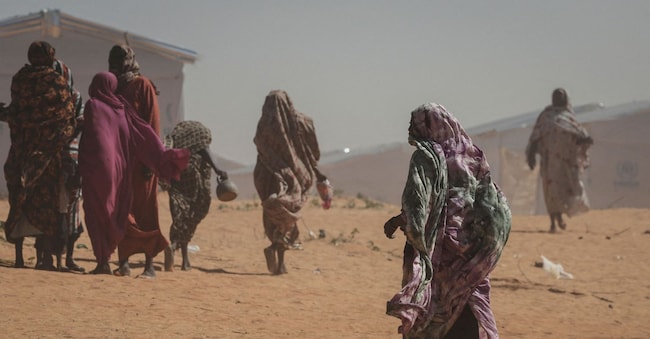
NAIROBI – The International Criminal Court has reached a ‘turning point’ in its investigation into war crimes committed in the Darfur region during the conflict in Sudan, which broke out in 2023 following clashes between General Abdel Fattah al-Burhan’s regular forces and the Rapid Support Forces: the paramilitary forces led by his counterpart Mohamed Hamdan Dagalo, known as Hemetti.
This was revealed to the Reuters news agency by a senior official at the International Criminal Court, marking a key moment in The Hague’s investigations into the offensives against the towns of el-Geneina and al-Fashir: the towns in Darfur where experts from the UN and other organisations have identified signs of ethnic cleansing against the black population, in a déjà vu of the genocide that already ravaged the region in the early 2000s.
The ICC’s revelation comes in the wake of similar conclusions reached by the United Nations, following a report in February had identified the ‘characteristic’ features of genocide. The UN Fact-Finding Mission stated on 8 July that the violence perpetrated by RSF paramilitaries may constitute genocide against non-Arab tribes, as well as a ‘lesson’ regarding the siege launched against the city of El-Obeid in North Kordofan.
CPI: there is concrete evidence
Deputy Prosecutor Nazhat Shameem Khan told Reuters that the Court had obtained “further evidence, concrete evidence” which “links what is happening in Darfur to the highest levels of leadership” and amounts to “a turning point” in the investigations into the Sudanese war. Shameen Khan was unable to specify which “top levels” the investigations relate to or whether arrest warrants will be sought, although the allegations centre on the actions of the RSF. “We are confident that there will be results at least within a reasonable timeframe,” she added, according to Reuters.
The war in Sudan, classified by the United Nations as one of the ‘worst humanitarian crises’ on a global scale, entered its fourth year of hostilities last April and is taking an increasingly heavy toll. Figures from the UN High Commissioner for Refugees, updated on 6 July, indicate a total of 11.4 million displaced people, divided between over 4.5 million people who have fled across Sudan’s borders and a further 6.5 million forced to leave their homes but who have remained within the borders of Africa’s third-largest country.


