Sun, sea and art in vibrant Palma de Mallorca
The capital of the largest island of the Balearic Islands offers many tourist attractions, including the Cathedral of La Seu, the Royal Palace of La Almudaina and the historical quarter of La Lonja; not to be missed on 5 June is the Art Palma Summer

4' min read
4' min read
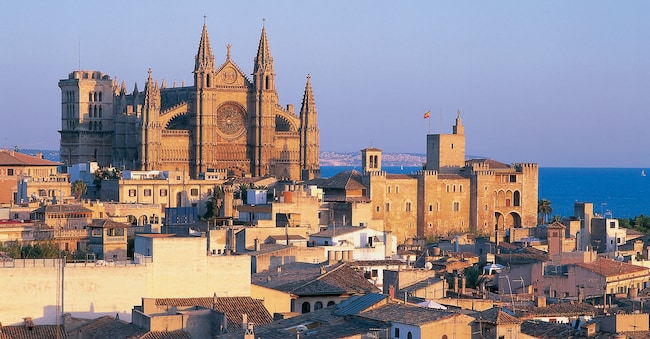
An interweaving of eras, cultures and traditions in the heart of the Mediterranean. This and much more is Palma de Mallorca, which, within the walls of its historic centre, displays its most imposing symbol, the cathedral overlooking the sea and around which the capital of the largest island of the Balearic Islands comes to life. Museums and art galleries, historical palaces and buildings redeveloped into luxury hotels, Palma - listed by the prestigious Lonely Planet in the top 10 cities to explore in 2025 - is preparing for another summer of cultural events, exhibitions and popular festivals.
Historic Buildings, Museums and Art Galleries
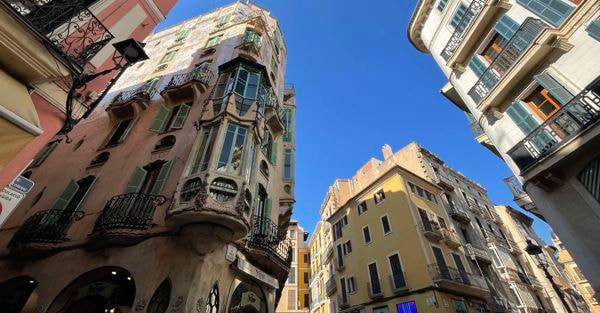
History, culture, architecture and contemporaneity make Palma a popular city, especially for art lovers: in the tangle of streets in the old town centre, old buildings and constantly buzzing creative spaces, museums and contemporary galleries mingle harmoniously.
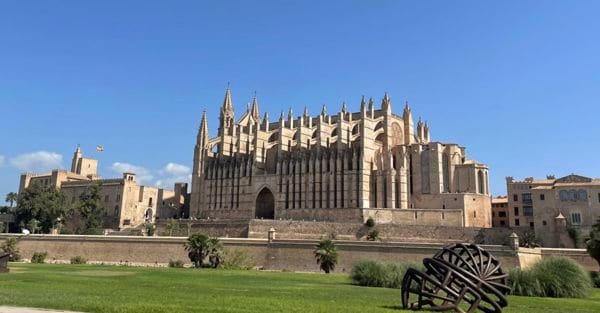
Built eight centuries ago, the imposing cathedral is the city's main architectural landmark; also known in Catalan as la Seu, it was built with sandstone typical of the island and, when lit by the sun, is tinged with all shades of gold and honey. A Gothic masterpiece with three naves, of which the central one is some forty-four metres high, the cathedral boasts a main rose window with a diameter of eleven metres and, at the beginning of the 20th century, was also embellished by interior works by architect Antoni Gaudí and Majorcan painter Miquel Barceló. A visit to the terraces, with panoramic views of the sea and the bay of Palma, is particularly recommended. Testifying to the island's royal history is the adjacent royal palace la Almudaina: a building of Roman origin, later adapted to a fortress, it became a royal residence in the 14th century and still houses the king during official celebrations and visits to Mallorca. The visit allows you to discover areas such as the parade ground; the Gothic chapel; the Islamic baths dating back to the ancient Alcazar and the main hall, used to celebrate the most important royal ceremonies.
In the Places of Joan Miró
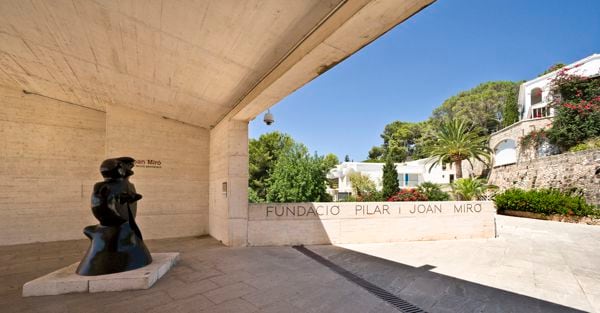
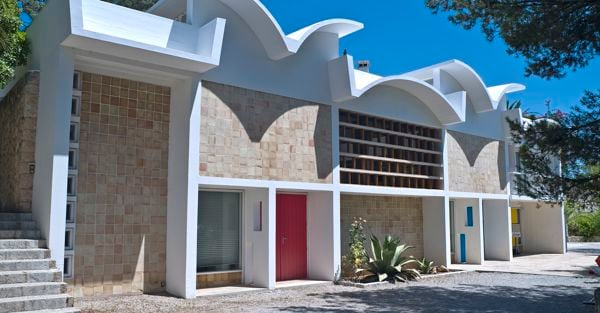
Palma is home to excellent art museums, such as the Fundació Pilar i Joan Miró, the cultural centre that provides an insight into the Catalan artist's artwork and creative process and is located in the Cala Major district, where Miró lived and worked from 1956 to 1983. The visit to the Foundation includes the Sert atelier, the studio designed by his friend architect Josep Lluís Sert and based on a minimalist design; the Son Boter atelier inside an 18th-century farmhouse; works by Joan Miró and contemporary artists and the sculpture garden. Running until 15 July 2025, the exhibition MIRÓ 1983 offers a further insight into the artist's works, mostly unfinished and in the process of creation. Palma's museum of modern and contemporary art, Es Baluard, on the other hand, is located on the perimeter of the bastion of Sant Pere, part of the Renaissance walls that surrounded the city until the beginning of the 20th century. The largest space for the preservation and dissemination of contemporary art in the Balearic Islands is known both for its temporary exhibitions and for its permanent collection of over eight hundred works ranging from the late 19th century to the present day, including those by artists such as Miró, Dali, Picasso and Barceló. There are many art galleries that make Palma so avant-garde for the art scene, among the most famous is Casal Solleric, an exhibition space dedicated to contemporary visual arts located in a palace from the second half of the 18th century, this will be one of the four venues, together with Fundació Miró Mallorca, Llonja and Es Baluard, where the choral project Paysage Miró will be set up, which, from 16 July until 09 November 2025, will exhibit not only works by Miró, also from the Museo Reina Sofía in Madrid, but also those by artists who played a key role in his career, such as Pablo Picasso, Paul Klee, André Breton, Marcel Duchamp and Alexander Calder.
Boutique hotel in old historic buildings
.Another element that enhances Palma's cultural appeal is the conversion of several old historic buildings into design hotels, conveniently located in the heart of the old city and within walking distance of the main points of interest. Examples are the Palma Riad, an exotic adults-only 5-star hotel with eleven suites, each one unique and original; the Portella Palma, a 17th-century palace converted into a boutique hotel that combines historical elegance with contemporary comfort; or the Can Cera, an intimate hotel housed in a 17th-century palace with only fourteen rooms furnished with extreme aesthetic refinement.