
Superyachts: a global economic impact of 54 billion
A study by Deloitte and the University of Amsterdam quantifies the value of the yacht industry for vessels over 30 metres. Direct turnover stands at 22 billion

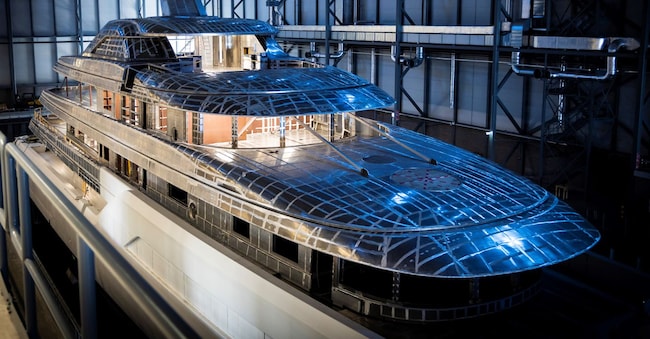
The overall economic impact of the global superyacht industry amounts to €54 billion and forms an ecosystem that encompasses advanced manufacturing, highly skilled employment and coastal economies around the world, as well as, of course, luxury tourism. This is according to new research conducted by Deloitte and Vrije University Amsterdam.
The global fleet of vessels over 30 metres in length (the study focused on boats of this size) now exceeds 6,100 units, and the report – commissioned by The Superyacht Life Foundation (SYL) and the Superyacht Builders Association (Sybass) – highlights how ‘the sector has evolved into a significant economic force, supporting a whole range of complex supply chains: from the Mediterranean’s tourism infrastructure to engineering, shipbuilding and cutting-edge maritime innovation in Europe’.
The research shows that, during the reference period (2022), the industry generated a direct turnover of €22 billion, triggering a further indirect impact of €32 billion through international supply chains, tourism expenditure and professional services. Overall, every euro spent in the superyacht industry generates an economic value of around €2.40.
The report highlights “the sector’s significant economic contribution, quantifying an average annual impact per superyacht of €9 million. Fleet management and tourism are the sector’s main economic drivers, contributing €27.1 billion annually, equivalent to almost half of the industry’s overall economic impact. Spending by yachts in operation supports restaurants, hotels, marinas, transport and local businesses in the main nautical destinations; in particular, superyachts over 60 metres generate a volume of spending approximately 5.5 times higher than that of smaller vessels.”
The Mediterranean, moreover, “remains – as the study notes – the world’s leading hub for superyachts, generating, each year, €4.7 billion in operating expenditure and €1.9 billion in tourism expenditure, confirming the strategic importance of the port infrastructure, refit yards and premium tourism services operating in the area”.


