The green revolution in the boating industry begins with superyachts in Sardinia
The Cipnes Gallura biogas plant (in partnership with the Politecnico di Milano and Sanlorenzo, amongst others) will produce green fuels from organic waste for the luxury sector. The aim is to involve the entire supply chain

Key points
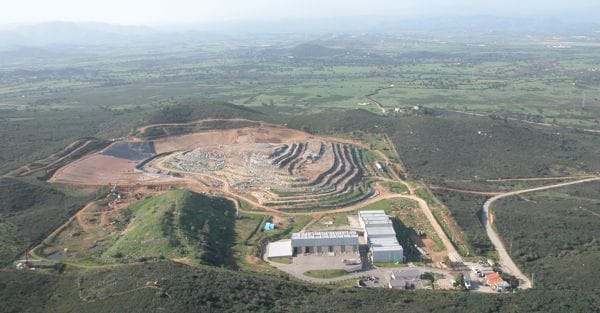
Biomethanol to power yachts, produced from organic waste. All this is achieved through a system of partnerships, studies and research, bringing together institutions, universities (the Politecnico di Milano) and businesses. This is the initiative being led by Cipnes Gallura, the consortium for the development and support of businesses in north-eastern Sardinia. The starting point for this initiative is Cipnes’s biodigester in Spiritu Santu, which has already been approved, is funded by the National Recovery and Resilience Plan (PNRR) and is nearing completion.
“The plant was set up to produce biomethane for the Olbia network,” CIPNES emphasises. “The development currently under consideration aims to transform that same platform into a production chain for biomethanol intended for yachts and superyachts.” Among the project’s industrial partners is Sanlorenzo, the world’s second-largest manufacturer of high-end yachts. “The company has already begun discussions to assess the possibility of being supplied with the future biomethanol produced in Olbia, with a view to the upcoming innovative superyachts designed to use alternative fuels and solutions with a lower environmental impact,” note representatives from Cipnes. “Sanlorenzo’s involvement enables the project to be linked not only to research and environmental management, but also to a concrete industrial need: the energy transition in the luxury yachting sector requires sustainable fuels, refuelling infrastructure and regions capable of integrating technology, port facilities and local supply chains,”
The key strength
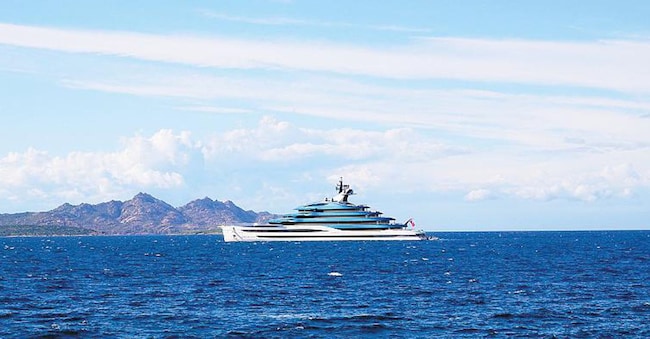
The key strength of this project is circularity, as residents, tourists and superyachts all produce organic waste. Cipnes’s role is to collect this waste and then process it in the biogas digester, which converts it into biomethane. The technological upgrade currently under consideration aims to produce biomethanol for use in the international yachting sector. A few figures suffice: in 2024, Ciipnes Gallura processed 167,110 quintali of organic waste. In 2025, this figure rose to 189,595 quintali, representing a 13.5 per cent increase. According to an analysis by the Cipnes Gallura UniOlbia Research Centre, 3,114 unique yachts were recorded in Gallura in 2025, representing a 15.8 per cent increase compared with the same period in 2024.
According to the study, north-eastern Sardinia is ‘one of the most suitable places’ for trialling a supply chain for alternative fuels for yachting: this region combines nautical demand, port infrastructure, tourist flows and the availability of organic feedstocks to be utilised. More tourists, more yachts, more biomethanol.
“Cipnes, with funding from the Region of Sardinia, is committed to strengthening the internationalisation of the Sardinian yachting industry and supporting the sector’s energy transition,” comments Livio Fideli, president of Cipnes Gallura. “The biomethanol project is a step in this direction: transforming the expertise, facilities and presence of superyachts into a strategic lever for a new, sustainable industrial supply chain.”