
Sustainability, the new edition of the Camera moda awards in September

2' min read
2' min read
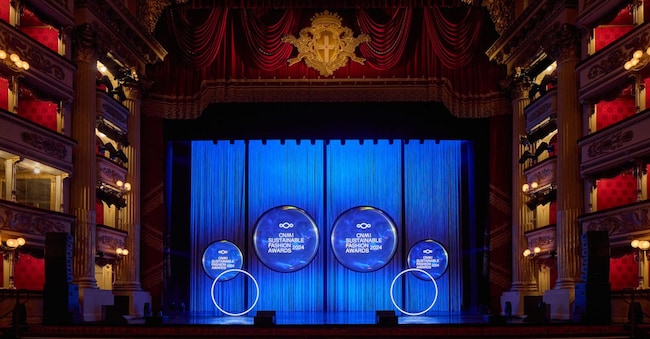
On Saturday 27 September, during Women's Fashion Week, the new edition of the Cnmi Sustainable Fashion Awards will be held, organised by Camera Nazionale della Moda Italiana, in collaboration with the Un Alliance for Sustainable Fashion and with the support of the City of Milan. Ten prizes will be awarded in as many categories: craftsmanship, diversity and inclusion, pioneering project, circular economy, climate protection, biodiversity and water protection, social impact, training for excellence, visionary. Also returning for the seventh edition is the award, sponsored by The Bicester Collection, for emerging designers. This year the finalists are Simon Cracker by Simone Botte and Filippo Biraghi; Institution by Galib Gassanof and Sake by Ana Tafur. The winner will be the focus of a major promotion project in Bicester Collection villages on three continents.
Judging the candidates will be a 'third' jury chaired by Paola Deda, chairperson, UN Alliance for Sustainable Fashion and director of Unece.
"The Cnmi Sustainable Fashion Awards are a true celebration of commitment and responsibility in the world of fashion, both Italian and international," said Carlo Capasa, President of the Fashion Chamber. "With these awards, we want to highlight the realities and personalities that stand out for their vision and innovation, valorisation of craftsmanship, circular economy, human rights, environmental justice and protection of biodiversity.
The incidents of forced labour and the position of the Fashion Chamber
.Capasa also tackled the issue of caporalato in the Italian fashion industry (the latest episode is the one linked to Loro Piana), also referring to the project for a national law to protect the supply chain and consumers from illegality announced by Minister Adolfo Urso during the Fashion Table on 22 July, but still to be defined: "Illegal workers in fashion, according to ISTAT estimates, are about 30 thousand out of 600 thousand direct employees: the illegal supply chain, which in any case must not exist, is very limited and the concept that all fashion production made in Italy is made illegally must not be passed on. Otherwise, there is a risk of favouring low-cost competitors, such as fast fashion brands'. Capasa reiterated that the Fashion Chamber 'is not giving up on the sustainability front, we were among the signatories of the protocol on legality wanted by the Prefecture of Milan and we will be among the supporters of the national law. I also make an appeal to the political forces: fashion is not a sector of one political party or another, but a supply chain of national importance. If small companies close, we all lose, including the big ones. Who have no interest in jeopardising their reputation for a 2 per cent production'.

