
Sustainable development, how much is psychophysical well-being worth in the company
According to international studies, every euro invested in mental health generates up to four euros in savings and productivity gains

3' min read
Key points
3' min read
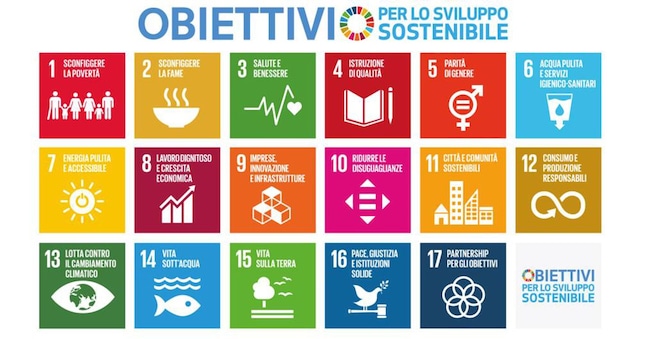
Psychophysical well-being as an element of value useful for assessing the state of health of society, in line with the Sustainable Development Goals of the 2030 Agenda. A certainty with which it is essential to deal and which needs new metrics and new measurement models. If the economic value of a society can be measured through balance sheets and numerical indices of wealth, value creation must not remain the sole preserve of the for-profit economy and a measure that is an expression of quality of life, well-being and happiness must be identified.
To affirm this and draw guidelines for a new model of social development is the Order of Psychologists of Lombardy, which together with the Cno - National Council of Order Psychologists and the Foundation of the Psychological Profession Adriano Ossicini, has joined the ASviS network - Italian Alliance for Sustainable Development.
'In a complex society, assessing psychophysical wellbeing means adopting a multidimensional perspective,' explains Valentina Di Mattei, president of the Order of Psychologists of Lombardy. 'In addition to economic and clinical data, it is necessary to measure the quality of relationships, social trust, the ability to cope with stress, the balance between personal and working life, and satisfaction in the various spheres of existence. Parameters such as perceived self-efficacy, resilience, sense of purpose and the quality of social interactions are becoming increasingly central. In this sense, psychology can offer validated tools to monitor these dimensions'.
The scientific study
.Confirmation also comes from the longest-running scientific study on wellbeing, the Harvard Study of Adult Development, started in 1938 and still in progress, which has followed hundreds of individuals for decades, demonstrating that the quality of interpersonal relationships is the most reliable predictor of happiness and health in the long term. 'On a practical level,' adds Di Mattei, 'wellbeing assessment interventions integrated into HR policies, in-company psycho-education programmes, listening desks and regular monitoring of the internal climate are becoming more widespread, which make it possible not only to intervene on discomfort, but also to actively promote a culture of care and inclusion'.
Wellbeing and work, where do we stand
Ensuring the psychophysical well-being of workers and citizens is one of the main challenges facing companies and institutions. A growing awareness, in a context characterised by a pace of change that is often too slow.

