
Sustainable food policies, Lodi networks its projects
Deputy Tagliaferri: we want to build a system that reduces inequalities and enhances our economy and history

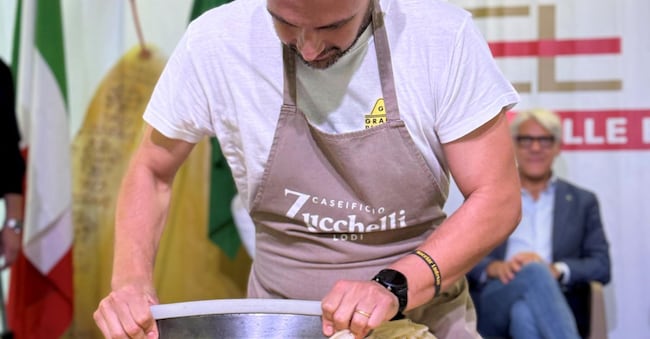
Last Saturday in September in the historic centre of Lodi: by a strange combination, various events and cultural proposals in the city revolved around the same theme, food.
The event Le Forme del Gusto; an exhibition, Echi di Risaia, on the work of the rice-workers; the inauguration of the 37th Rassegna Gastronomica. But also the new edition of the Festival della Fotografia Etica, with a series of exhibitions focusing on inequalities in access to food. Coincidence? Perhaps not.
Deputy Mayor Laura Tagliaferri chooses that very weekend to start the path towards a Food Policy for the city. And two weeks later, the city council resolves to join the Milan Urban Food Policy Pact in order to also participate in the Global Forum 2025, which ends today in Milan and brings together the world network of cities committed to the future of food.
Established in Milan during Expo 2015, the Milan Urban Food Policy Pact now links around 330 cities, which share actions on the theme of food poverty, health, sustainability, combating waste, but also promoting the local economy. In Lombardy, Bergamo, Cremona and Lecco have joined the network, and now Lodi has joined as well: 'In recent years we have never had a structured organisation, but we have done a lot, and various services and physical spaces have sprung up that are now reference points,' explains Laura Tagliaferri. Now, thanks also to funding from the Cariplo Foundation, we want to unite this network to integrate the various actions better and reach as many people and age groups as possible.
La “rete” a cui si riferisce la vicesindaca include un ecosistema di progetti che stanno cambiando la mappa di Lodi: «C’è la Fondazione Casa di Comunità, che porta avanti l’esperienza dell’Emporio Solidale e funziona come un supermercato per la distribuzione gratuita delle eccedenze dei negozi e degli aiuti alimentari, anche grazie al filo diretto con diverse aziende del territorio (è sostenuta per esempio anche da Assolombarda e dal Consorzio di tutela del grana padano, ndr). C’è Sanfereorto, dove si fa comunità attraverso l’agricoltura sociale. C’è il festival Le forme del gusto, che era nato come mostra mercato delle eccellenze agroalimentari e negli anni è diventato anche un’occasione per riflettere sulle sfide legate al cibo. Si sta ricostituendo a Lodi una condotta Slow Food. È attiva una consulta che si occupa di promozione della salute, e sappiamo bene quanto la salute dipenda da una nutrizione adeguata».

