
Gold in Switzerland and the US boosts exports
An average monthly increase of 9 per cent. Exports to Bern surged by 57 per cent, driven by gold. Car imports from China have almost quadrupled

It had been a very positive month for markets outside the EU, though to a lesser extent than in Europe. The final figures for Italian exports in August show overall growth of 9 per cent, driven by a 16.7 per cent increase in non-EU exports and a more modest 1.6 per cent rise in exports to Europe. This nevertheless brings the year-to-date total to 443 billion, up 5 per cent compared with the same period last year.
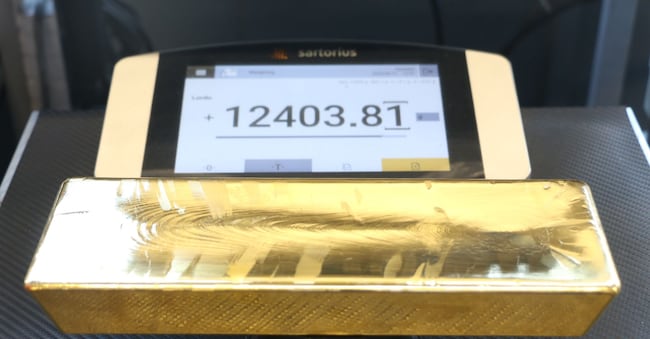
These macro figures, however, paint a less encouraging picture when analysed in greater detail. Over the past eight months, growth has been driven primarily by unit values (+4.5 per cent), whilst volumes have remained virtually unchanged. However, the decisive factor for growth is the unusual surge in gold exports to Switzerland, which – not coincidentally – is by far the best export market for ‘Made in Italy’ products in terms of growth rate (+57 per cent). This gold, largely in the form of ingots, comes in particular from the Arezzo district (which, not surprisingly, is the Italian province with the highest export growth rate, +8 billion, or +75 per cent in the first half of the year), contributing to a national surge of almost 12 billion euros in the metals sector. For precious metals (data available up to June, just under 20 billion), this represents almost a doubling, with an increase of nine billion compared with the first half of 2025.
Exports of base metals to Switzerland more than doubled in August, whilst the value has tripled since the start of the year to 13 billion euros. Overall, Switzerland has seen a 41 per cent increase in purchases of ‘Made in Italy’ goods in the first eight months of the year.
Equally important for our overseas sales figures is the pharmaceutical sector, which is generally strong but has been driven upwards for the past couple of years by anti-obesity (and anti-diabetes) products with an extremely high unit value, manufactured at the Eli Lilly plant in Sesto Fiorentino: between the first half of 2023 and the first half of 2026, the value of pharmaceutical exports from Florence tripled to nine billion euros.
Thus, if we look at the performance of individual economic sectors, the picture for sectors other than metals in the first eight months of the year is considerably less rosy: virtually flat for machinery and food, in the red for textiles and clothing and furniture, and making slow progress elsewhere, with some signs of recovery in the chemicals and pharmaceuticals sectors. The strongest sector is the automotive industry, which is seeing double-digit growth, although this sector is coming off the back of a 2025 that ended with a decline of almost seven points.


