
Switzerland to vote on enshrining stricter neutrality in the Constitution
The initiative is backed by the nationalist right and has gained momentum in the wake of the Confederation’s adoption of most of the EU’s sanctions against Russia

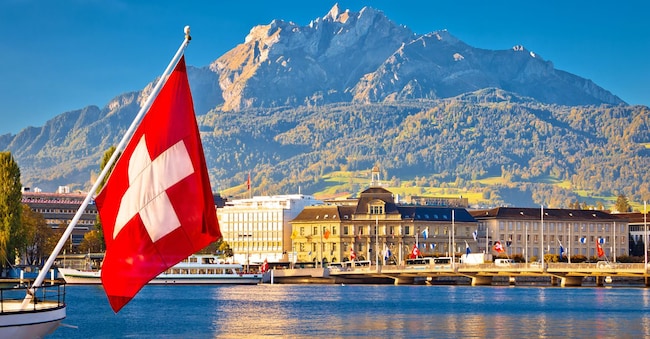
This Sunday, voters in Switzerland will be voting on an initiative that seeks to introduce a stricter definition of neutrality into the Constitution. The initiative is backed by the nationalist right and gained momentum largely in the wake of the Swiss Confederation’s adoption of most of the European Union’s sanctions against Russia, following the latter’s invasion of Ukraine. According to the initiative’s supporters, Switzerland is undermining its historic neutrality. The main centre and left-wing parties do not see it that way. The majorities in the Government and Parliament are in favour of rejecting the initiative. Opinion polls suggest the ‘no’ vote is set to win by a clear margin, but the terrain is naturally complex and even treacherous, given how deeply ingrained neutrality is in Swiss society.
The initiative, backed by the UDC (Centre Union, which, despite its name, is positioned on the right), has two main points. The first is that, in future, the Confederation should only participate in sanctions against belligerent states imposed by the UN – of which Switzerland is a member – and not by other bodies. The second is that Switzerland should cooperate with military alliances only in the event of a direct attack on the country. The initiative committee openly states that it regards Switzerland’s rapprochement with both the European Union and NATO as dangerous. The Swiss Confederation is a member of neither organisation, but it has significant bilateral economic agreements with the EU (the Swiss Parliament is currently debating an extension of these), and there is dialogue with NATO member states, albeit within the framework of Swiss autonomy and neutrality.
Liberals, centrists (Christian Democrats), socialists and Greens – whilst their views differ – generally agree that the Confederation already adopts the sanctions decided by the UN whenever they are in place, but that there must also be some room for manoeuvre for Switzerland, so that it can also join sanctions imposed by others, as in the case of the EU’s response to Russia’s aggression against Ukraine. In short, the majority in Parliament in Bern wants to be able to manage neutrality in the most appropriate way in different circumstances. As for military cooperation, the response is that Switzerland cooperates with certain selected states, in particular its neighbours, to strengthen its defence capabilities. Swiss neutrality is permanent and also involves a standing army. According to those opposed to the initiative, restricting security cooperation would weaken Switzerland’s defence capabilities. Limiting cooperation to cases where the country is directly attacked would be risky, as by that point it might be too late. In short, for the initiative’s opponents, Switzerland is not betraying its neutrality; it is applying it whilst taking account of international developments.
Voters will also be voting on another initiative, the one ‘for safe food’. Its supporters want to strengthen the supply of Swiss-produced foodstuffs – particularly plant-based products – and clean drinking water. The Government and Parliament are in favour of a ‘no’ vote and describe the demands as excessive and impossible to achieve within the ten-year timeframe specified, adding that environmental protection has long been a priority in Switzerland. Opinion polls also suggest a ‘no’ vote is likely to prevail on this initiative. However, with all due respect to food and the environment, the spotlight in Switzerland now remains firmly on the vote on neutrality.

