
Syria, Khamenei: US and Israeli plan. Moscow: Assad is safe
The explosions in Damascus were heard in the night after the NGO Syrian Observatory for Human Rights reported about 250 Israeli raids in Syria since the fall of President Bashar al-Assad on Sunday. According to the NGO, Israel has been targeting major Syrian military installations throughout the country since Sunday with the aim of destroying them.

5' min read
5' min read
The international community 'no longer has anything to fear from Syria after the overthrow of Bashar al Assad's regime'. This was stated to Sky News by the leader of Hayat Tahrir al Sham, Abu Mohammed al Jolani, adding that 'their fears are useless, God willing'. 'The fear stemmed from the presence of the regime. The country is moving towards development and reconstruction. It is moving towards stability. People are exhausted from the war. So the country is not ready for another war and will not enter one."
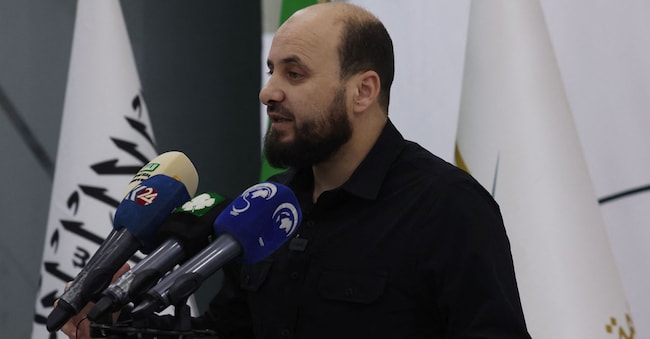
The United States has not yet had any contact with Syrian Premier-in-Charge Muhammad Bashir, US State Department spokesman Matthew Miller said in a press briefing. "We have no comment on his nomination," he added.
Iran's Supreme Leader Ali Khamenei, on the other hand, states that 'What happened in Syria was planned in the command rooms of the United States and Israel'.
Meanwhile, Russian Deputy Foreign Minister Serghei Ryabkov told Nbc that former Syrian dictator Bashar al-Assad is in Russia, "he is safe and this shows that Russia acts as required in such an extraordinary situation," he said. Asked whether Russia will hand Assad over to trial, Ryabkov said: 'Russia is not a party to the convention that established the International Criminal Court.
"We will disband the security services and abolish the anti-terrorism law," said Syrian Prime Minister-in-Charge Muhammad Bashir in reference to the control agencies of the regime embodied for 54 years by the Assad family, who were held responsible for the systematic violation of human rights. The 'anti-terrorism law' had in 2012 replaced the martial laws imposed since the 1960s, and served to justify the existence of special courts for the arrest of opponents and dissidents. It is estimated that since 2012 more than 150,000 people have been imprisoned in Syria for crimes of opinion.

