
Tariffs, Switzerland reaches agreement with the US: 15% tariffs
The agreement reached with Donald Trump includes the drastic reduction of tariffs on imports that had been raised in August by up to 39 per cent. The new 'reciprocal' tariffs are aligned with those imposed on the EU and other allies such as Japan and South Korea

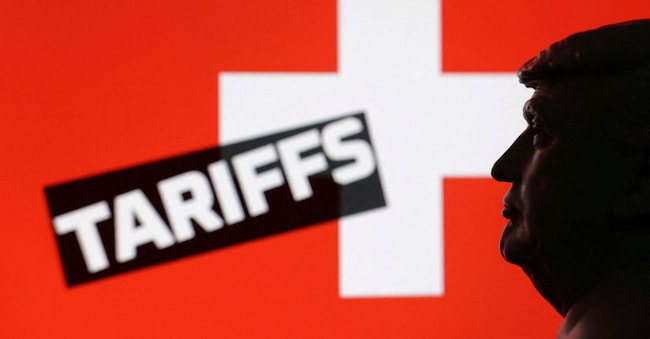
Donald Trump reaches a trade agreement with Switzerland, drastically reducing to 15 per cent import tariffs that had been raised to 39 per cent in August. A barrier raised citing the deficit in bilateral trade and which had made the country one of the hardest hit by America First's aggressive policies. The new, general, so-called reciprocal tariffs are now aligned with those, already reduced, imposed on the European Union and other allies such as Japan and South Korea. In return Berne promised, as did other capitals, new manufacturing investments in the US for the production of medicines, railway equipment and gold smelting.
The tariff discount allows a sigh of relief for the Swiss Confederation's exports, which in addition to yellow metal and pharmaceuticals include watches, dairy products and chocolate. The agreement was sealed after a diplomatic effort in extremis that saw a bilateral government-level meeting on Thursday, preceded last week by a visit to the Oval Office by top Swiss executives.
The contours of the agreement were confirmed by US Trade Representative Jamieson Greer, including the commitment of Swiss companies 'to build here, we have already seen Roche start with a pharmaceutical plant'. The thaw with Switzerland was not isolated. Another wave of four trade agreements came in the last few hours, with Latin American nations Argentina, Guatemala, El Salvador and Ecuador.
However, the dossier of the large reciprocal tariffs, triggered by the use of an emergency economic law, are now before the US Supreme Court, which may soon decide on their legality and in the hearings appeared to show scepticism about the administration's motives. Although Trump has warned that a rejection would be 'disastrous'.
The administration is now also under pressure to make new voluntary backtracks on barriers, amid discontent over the caravan in Trump's own populist-conservative Maga base. It is considering broad exemptions to tariffs that impact food costs, even to countries with which it has no trade agreements.


