
Refunds 730 for taxpayers without withholding agent: procedures, timing and possible delays
The Inland Revenue directly disburses refunds to taxpayers without an employer, with longer timeframes and prior verifications that may delay payments.

Key points
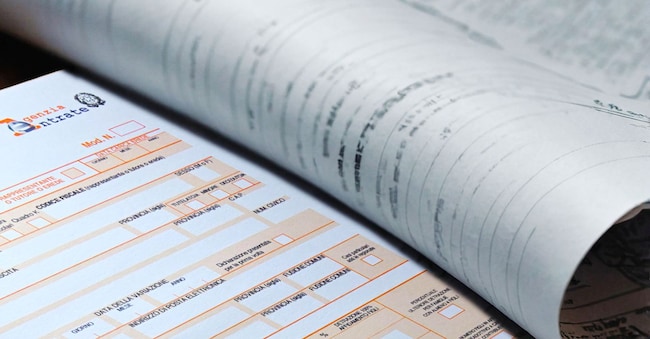
Since 2012, the 730 form can also be used by taxpayers who have no substitute tax payer and, in this case, the refund is paid out by the Agency. The disbursement time is generally longer than for those who receive the credit in the pay packet, and can sometimes even be postponed to the following year. Let us see why.
Refund without replacement
In the case of filing Form 730 without a substitute, the amounts resulting in credit from the settlement statement are reimbursed by the Revenue Agency.
By now, the 730 has become the new universal form, with which all incomes can now be declared, with the sole exclusion of those with VAT registration. If we add to this extension of the target group, the increasing use of the pre-filled declaration, it is therefore natural that more and more people are using it even if they do not have an employer to make the adjustment: not only the heirs of deceased taxpayers, but also those with foreign income, financial capital gains or cryptocurrency income or subject to separate taxation (e.g. severance pay from the end of a lease).
When there is no possibility of reimbursement by payroll or pension settlement, the taxpayer must request reimbursement directly from the tax agency.
Methods and times of reimbursement
The credit generated by the declaration may also be usedto offset (to reduce advance payments, or to offset it against other taxes in the F24 form). After deducting the part that has already been used or that is to be used as compensation, the remaining surplus is refunded in cash.

