Declarations 2026

Taxes, the race for bonuses from home to school starts with the new 730

Beware above all of the cut-off on deductible expenses that is triggered above 75,000 euro income and will be based on household members

by Giovanni Parente

3' min read

Translated by AI
Versione italiana

3' min read

Translated by AI
Versione italiana

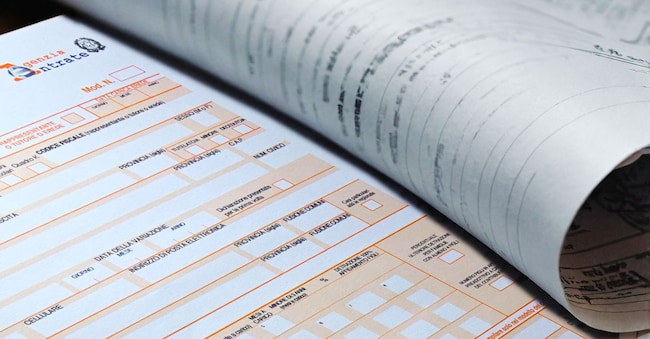
The publication on the Inland Revenue website of the final version of the 730 form represents the first official step to start reckoning with bonuses for the 2026 declaration campaign.

Although the de facto start will come at the end of April, when taxpayers will be able to consult the precompiled form in their reserved area, between the lines of the model (and especially in the instructions) it is possible to 'trace' some of the main novelties to be reckoned with, especially on the batch of deductions and deductions that allow access to refunds.

Loading...

The cut-off for incomes over 75,000 euro

One of the first aspects to be considered is the deduction for taxpayers with incomes above 75,000 euro. The amount of deductible expenses is to be calculated by multiplying a 'basic amount' (which decreases as total income increases) by a coefficient (which differs, depending on the presence in the household of tax-dependent children).

The basic amount is equal to: eUR 14,000, if the total income of the taxpayer is more than EUR 75,000 and up to EUR 100,000; EUR 8,000, if the taxpayer's total income is smore than EUR 100,000.

The coefficient to be used, on the other hand, is equal to:
- 0.50 if there are no dependent children in the household;
- 0.70 if there is one dependent child in the household;
- 0.85 if there are two dependent children in the household;
- 1 if there are more than two dependent children in the household, or at least one dependent child with an established disability.

Excluded from this calculation mechanism, and therefore not restricted, are healthcare costs, sums invested in innovative start-ups, and sums invested in innovative small and medium-sized enterprises.

Likewise, deductible expenses incurred in connection with loans or mortgages taken out until 31 December 2024, insurance premiums for contracts concluded until 31 December 2024, and instalments of deductible expenses for building renovation (renovation or energy saving) incurred until 31 December 2024 escape the squeeze.

L’IMPATTO

I nuovi tetti alle spese detraibili interessate dalla restrizione al debutto nel 730/2026

Loading...

Restructuring and energy saving: higher bonus for main home

Declaration 2026 reports on the changes introduced from tax year 2025 for bonuses for work on the home.

As the instructions to 730 remind us, 'tax benefits for building renovation, energy saving and earthquake-proofing measures are due for documented expenditure in 2025 at the fixed rate of 36%'.

While 'the percentage is raised to 50% where the interventions are carried out by the holders of ownership rights or rights in rem of enjoyment over the real estate unit used as the principal dwelling'.

In other words, the 50 per cent only applies to the main house, while for work carried out on, for example, second homes, the percentage is reduced to 36 per cent.

Dependent child deductions: stop over 30 (with exceptions)

A lot of attention must also be paid to the chapter on dependent children. Let's see what the instructions to 730 state in the section on novelties.

"Irpef deductions for dependent children over 30 years of age who are not disabled are abolished.

The deduction for dependent children is now granted to taxpayers who have children, including recognised children born out of wedlock, adopted, affiliated or fostered children, and cohabiting children of a deceased spouse, aged 21 or over but under 30, as well as children aged 30 or over with an established disability.

Family members residing abroad

Attention then to another pole. In fact, 'deductions for dependent family members are not due to taxpayers who are not Italian citizens or citizens of a Member State of the European Union or of a State party to the Agreement on the European Economic Area, in relation to their family members residing abroad'.

School fees

There are also positive aspects to be exploited for the taxpayer As the instructions remind us, from 2025 'the maximum limit deductible from gross tax is increased to 1,000 euro, per pupil or student, in relation to expenses for attendance at pre-school, first-cycle and second-cycle secondary schools of the national education system'.

Copyright reserved ©
Loading...

Brand connect

Loading...

Newsletter

Notizie e approfondimenti sugli avvenimenti politici, economici e finanziari.

Iscriviti