
Tim sells network to Kkr: Mef and F2i join consortium
Tim relieves itself of around 14 billion in debt, headcount drops to 16,000 full-time equivalent employees

2' min read
2' min read
It's official: with the closing of the deal, signed today, the Telecom network passes to the consortium led by the US fund Kkr, in which the Treasury also participates with a 16% stake and F2i with 11.2%. Tim first contributed the business unit comprising the fixed network to FiberCop (an access network company, already minority owned by Kkr) and then transferred the entire infrastructure of Netco to the vehicle of the Optics BidCo transaction. The Telecom network is valued at EUR 18.8 billion in terms of enterprise value (equity plus debt), which could rise to EUR 22 billion with earnouts, if certain conditions are met, the main one being the possibility of a synergic combination with Open Fiber, the fibre network company owned 60% by Cdp equity and 40% by the Australian infrastructure fund Macquarie.
With the divestment of the network, Tim's net debt is reduced by EUR 14.2 billion, but considering separation costs and adjustments the net effect is EUR 13.8 billion, the company reported.
After the transaction, Tim's workforce decreased from 37,065 employees to 17,281, equivalent to 16,135 full-time employees.
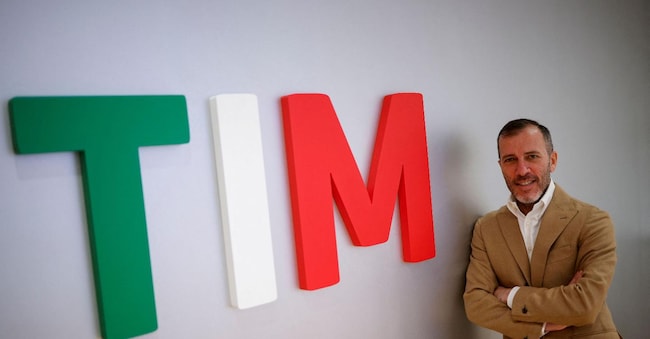
"The finalisation of the transaction with Kkr and Mef is the result of two and a half years of work," recalled Tim's CEO, Pietro Labriola. "We have reached a goal that is also a starting point: we have done it by hitting all the targets we had announced and respecting all the promised deadlines. "Tim", underlined Labriola, "will remain the telco of reference in Italy, remaining the most infrastructured operator and offering innovative services, both on fixed and mobile, serving families, public administration and businesses".
For Economy Minister Giancarlo Giorgetti the closing "is the first piece of a jigsaw puzzle for the solution of this country's historical prolems and a key step in the reorganisation of the Italian telecommunications system". "The government," Giorgetti emphasised, "is intervening in a strtegic sector, with a major industrial policy operation that, among other things, secures Tim and its workers.


