Tell me which car you choose and I will tell you who you are and how you dress
Energetic drivers and gentlemen. Sporty globetrotters and urban commuters. To each his own car and driving style (and accessories). From maxi SUVs to mini cars.

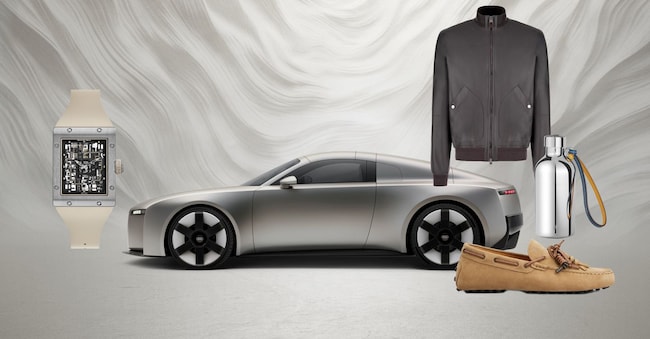
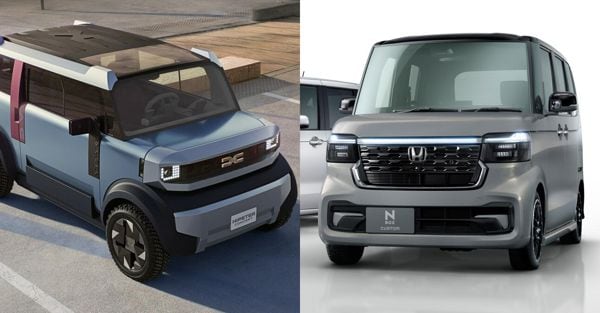
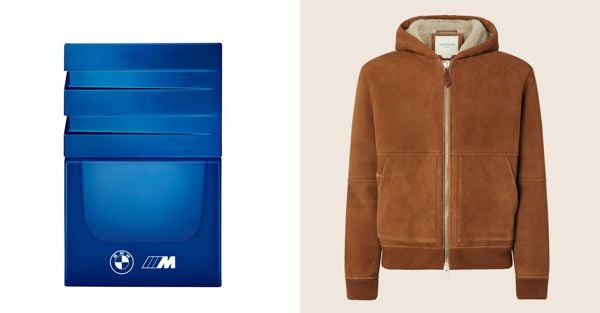
The automotive world is changing, and the major innovation trends take into account a generation of drivers that is extremely diverse not only in design and power tastes, but also in personal choices. The car is an extension of oneself: all the more so in the luxury segment, it reflects a coherent world of lifestyles, starting from the detail of a pocket accessory and extending to the fabric of clothes, the cut of a jacket, the gym bag and work kit, right down to the livery and vocation - more or less sporty, more or less eco, more or less hi-tech - of one's means of transport. There are energetic driving styles and gentlemen drivers, long-distance travellers and urban style managers, whose priority is parking fast and anywhere. If the market has to equip itself to satisfy everyone, in an ever increasing customisation effort, opposites tend to coexist, when not to converge (and the same owner may have different cars and needs depending on the time or place of use). Thus the pool of options multiplies. Even taking into consideration the size parameter alone, the extension is maximum: from true mobile maxi suites with six wheels to the microscopic Keicar.
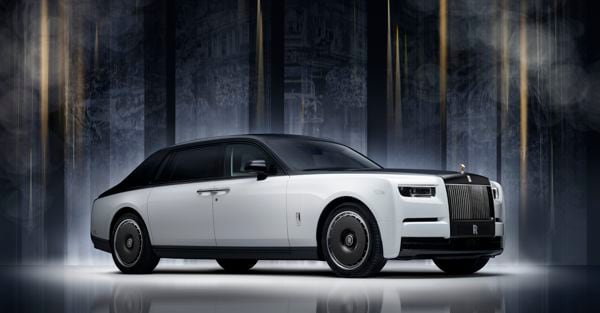
The automotive landscape is changing in Europe, and we have to get used to registering the new that is advancing and perhaps stepping out of the comfort zone of historical brands, because, with electrics and new-generation hybrids, everything takes a new shape. Exotic and unknown names are appearing, brands without heritage, but with luxury products, in the sense of quality and constructive care. And much, perhaps too much, technology. The value of European brands is and remains enormous, but new ideas, new forms and new ways of understanding luxury on four wheels are in the air. And it is not excluded that it will also be embodied in smaller, more city-friendly cars, in an idea of less is more and more glamorous.
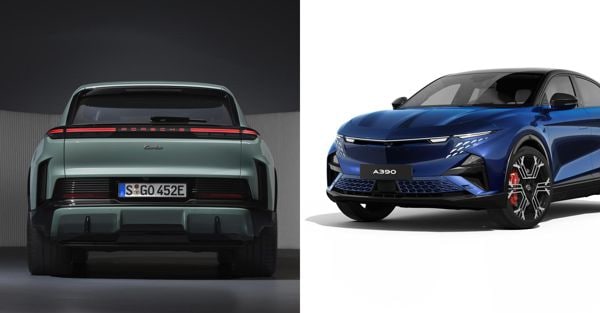
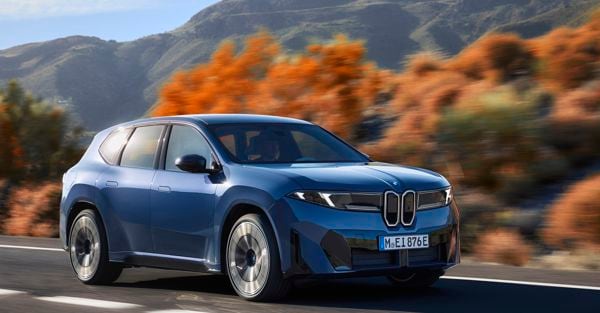
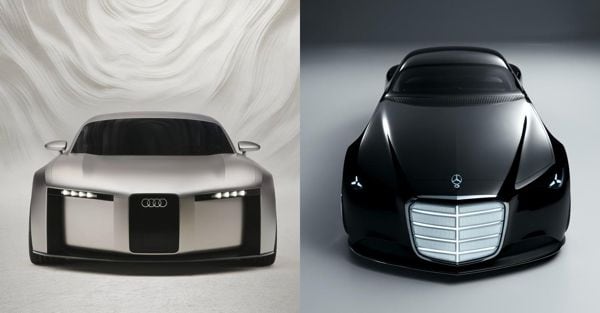
To maintain and renew their appeal, brands rich in automotive history and culture are refining new strategies. Starting with the German docs, such as BMW, which presented the iX3. This model inaugurates a new course for the Neue Klasse and includes a long list of cutting-edge technologies. The same goes for Audi which, with the C Concept, the prototype expressing The Radical Next design philosophy that will characterise future models, explores a quite unmistakable mix of clarity, technology, intelligence and emotion. Another Teutonic excellence is Porsche: determined in its electrification path, this time it involves Cayenne, the first suv from Zuffenhausen that has revolutionised the brand's image and opened up to new customers. Will the new 100 per cent plug-in version be able to establish itself in the mobility of the future?
A futuristic and ultra-refined proposal comes from Mercedes. The Star brand, after the launch of the MBUX system in 2018 on the A-Class, has continued on a high-tech path that has now reached its zenith with the Vision Iconic concept: a glass capsule named Zeppelin, the nickname given to the luxurious Maybach DS7 and DS8 of the 1930s.
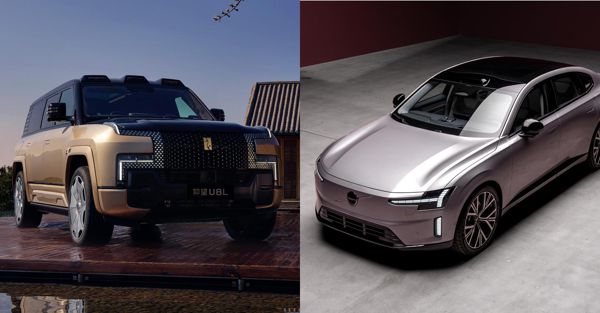
From Sweden, the birthplace of Volvo, a brand now owned by the Chinese Geely group, comes the ES90 electric flagship, whose recipe includes luxury, advanced technology and minimalist Scandinavian design: two pluses, ample interior space and a range of over 700 kilometres.