
Terrawatt, 200 Megawatts in pipeline for photovoltaic projects. Focus on Central Italia
"We are growing strongly and continue to invest in new initiatives in the area," CEO Patrizio Donati explains in an interview with Radiocor
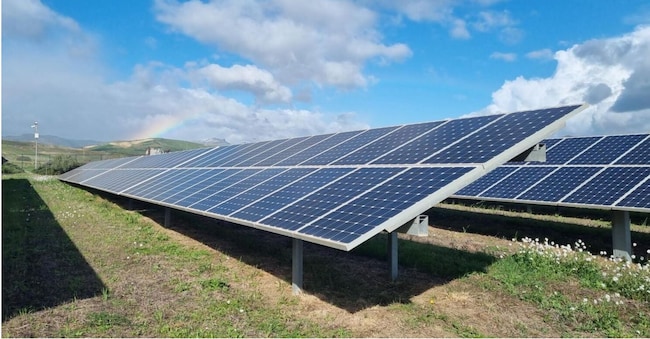
(Il Sole 24 Ore Radiocor)- Born in 2022 from a diversification of Donati Spa, active in the infrastructure public works sector, Terrawatt is focusing on Central Italy to develop photovoltaic plants. 'At the moment,' explained CEO, Patrizio Donati, in an interview with Radiocor, 'we have more or less 200Megawatts of photovoltaics in development. The first megawatts should be connected by this summer and we have almost 60Megawatts of wind power that we are developing on shore and then almost 200 Megawatts of Bes that we are developing separately'.
"As far as our photovoltaic pipeline is concerned, we expect to obtain construction authorisation on all of our projects, which are almost twenty between the end of 2026 and the beginning of 2027," he added. Geographically, "we are focused exclusively in Italia, particularly in Central Italy and in regions such as Basilicata where we have 60 Megawatts of wind power projects that we are building. The plan is to continue investing in wind power because we believe in the value of investing, especially onshore. Our pipeline is growing strongly and we continue to invest in new initiatives in the area'.
Loading...
Donati believes that the conflict in Iran could bring about important changes in the area of renewables. "I think the will will shift more and more to the need for energy independence. I think that from 2027 onwards we will begin to see many more stimuli at the legislative level to encourage investment or in any case to speed up authorisation processes. In Italia there are many projects and just by authorising some of them we can easily reach our 2030 goals, but the problem is the legislative processes that have been at a standstill for years. We need a push to unblock the projects already in the pipeline'.
Speaking generally about the sector, the top manager points out that in the case of on-shore wind energy, 'the authorisation procedures are very complex to manage. Many people think of photovoltaics thinking that the sun is uniform just about everywhere, whereas with wind power the constraints are much more complex to manage. The areas where these plants can be built are very much fought over by the different operators. We are not in Northern Ireland where we get constant wind. The impact of these interventions is much more serious on the landscape than a photovoltaic plant. Even more so does this reasoning apply to the off-shore segment: 'In Italia, we have to maintain a distance of about 12 nautical miles from the coast, which is an important distance. So it implies that the sites that will be built will have to support large connection investments. To this must be added the complexity not only of environmental protection but also the technical complexity that, unlike the North Sea where the seabed is relatively shallow and therefore plants can be built with piles in the seabed, the Adriatic, which is our main wind resource, has a very shallow seabed and does not allow for the construction of plants of this kind". According to the top manager, "to date there has been a great development of onshore wind power over the years but theoffshore wind power has basically stalled because in order to be able to build these plants investors do not accept the size of the risk without having a minimum guarantee through state auctions to fix their revenues. Since 2024 we have been waiting for tenders in this sector and this has led to a stalemate'.
Copyright reserved ©


Brand connect
Loading...
