Governance

Tesla, showdown between small and large shareholders

Assembly eve and new accusations. The company: In less than six years Elon has delivered a total shareholder return of almost 1.100 per cent

by Alberto Annicchiarico

Aggiornato il 12 giugno 2024, ore 11:30

Aggiungi Il Sole 24 Ore
ai preferiti su Google
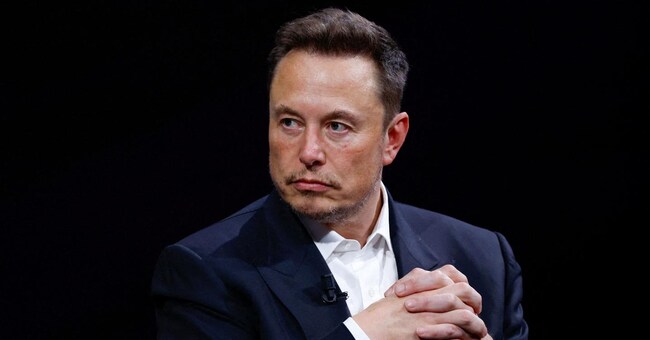
Elon Musk, Chief Executive Officer di Tesla e SpaceX . REUTERS/Gonzalo Fuentes/File Photo

5' min read

5' min read

The countdown is on an ad hoc site, VoteTesla.com. The hours are ticking towards the most controversial shareholder meeting in the history of the car company with the largest capitalisation: more than $550 billion, but with a conspicuous -30% in 2024. Tesla is going through a complex phase. Disappointing first quarter, then the announcement of a 10% cut in jobs, increasingly fierce competition in China from a host of new battery car manufacturers. And again, difficulties in renewing the range: CEO Elon Musk is hesitant about the development timetable for a smaller, cheaper Tesla and has just ruled out the launch of the long-awaited restyling of the most successful car, the Model Y.

Finally, new legal grievances. In California: assisted driving software (Autopilot and Full Self-Driving) is still under fire, with the risk of a suspension of the sales licence in the Golden State and having to pay compensation to customers led to believe, according to the regulator, that they owned a car that was more technologically advanced than it actually was.

Loading...

On the night of Tuesday to Wednesday, 36 hours before the meeting, an institutional investor, the Employees' Retirement System of Rhode Island (Ersri), the Rhode Island state pension fund, accused Musk and his brother Kimbal, an advisor on Tesla's board, of making billions of dollars using insider information. That's a total of 30 billion in Tesla stock sold between late 2021 and 2022, before news went public that would have caused the stock to collapse, according to Ersri.

All this while concealing (Elon's) plan to use the proceeds to buy the social media platform Twitter, later renamed X. This is the version of the investor who filed the lawsuit in the same Delaware court where, as we shall see, it all began.

A test, not a verdict

.

The shareholders' meeting on 13 June promises to be a test - although it may not be the final verdict - on the leadership of the world's third richest man. All because of a decision by a Delaware court, which on 30 January annulled the astronomical56 billion stock option remuneration package (conditional on reaching specific targets) approved in 2018. Musk aims to strengthen his grip from 13% to over 20% to streamline governance in his own way.

A negative vote could have unpredictable consequences. One of these could be the resounding farewell of the South African-born tycoon, who could go elsewhere to develop his artificial intelligence projects. "What we recognised in 2018 and continue to recognise today is that one thing Elon certainly doesn't have is unlimited time," wrote board chair Robyn Denholm in a letter to shareholders last week, "He has no shortage of ideas and other places where he can make an incredible difference in the world. To motivate Elon, in short, much more is needed.

If we have come this far, we said, it is because on 30 January Judge Kathaleen St. Jude McCormick, of the Delaware Court of Chancery, ruled that that 56 billion was an unacceptable amount of money. Not least because it was approved, according to McCormick, by a board of directors unable to negotiate and justify such a sum, unprecedented in the history of publicly traded companies. According to the judge, shareholders had not been properly informed. The Delaware Court of Chancery is particularly focused on the resolution of complex corporate litigation, including mergers and acquisitions, shareholder disputes, and governance issues.

Elon's defence

.

The car manufacturer announced in April that a new vote would be held. And on VoteTesla.Com it explains why: 'Over the past six years, Tesla has created more than $735 billion of value for all of you, fulfilling our mission. The value we are prepared to offer you in the future is at risk. We need your vote now to protect Tesla and your investment," it reads. "In 2018, shareholders," it further reads, "approved (with 73 per cent of the vote, ed.) a performance award that incentivised Elon to create tremendous value for everyone with a stake in Tesla. In less than six years, Elon has delivered atotal return for shareholders of almost 1.100%. If Elon had not achieved unprecedented growth targets for Tesla, he would have received ZERO compensation. He did not fail. Elon must hold the shares granted through stock options for five years after the option is exercised, incentivising him to continue driving growth into the future. Shareholders voted overwhelmingly to approve the plan in 2018. Six years later, a Delaware court ignored this decision and ordered the plan cancelled."

On closer inspection, the 13 June vote has more of a symbolic value. According to some legal experts, in fact, the shareholders' approval may help Tesla in the event of an appeal or review in a new lawsuit, but it cannot overturn the January ruling. Whether they win or lose in the shareholders' meeting, Musk and Tesla cannot appeal until McCormick makes a decision in less than a month on legal fees. Lawyers for shareholder Richard Tornetta, who triggered the proceedings, have asked for 5.6 billion in shares. Tesla itself admitted that it is not possible to 'predict with certainty' how a new ratification vote at the shareholders' meeting could be interpreted under Delaware law. After the final ruling Musk will have 30 days to appeal.

Shareholder alignments

.

Meanwhile, two opposing camps have formed among shareholders: for or against the billion-dollar super-package. Glass Lewis and Institutional Shareholder Services (Iss), the two most prominent proxy advisors (specialised companies that provide recommendations to shareholders on how to vote in shareholders' meetings), have suggested rejecting the remuneration package. Among the best known shareholders, the Norwegian sovereign wealth fund has indicated that it will vote against. Norges Bank Investment Management owned a 0.98% stake in Tesla worth 7.72 billion at the end of 2023. The US Calvert fund also sided against it. So did the California State Teachers Retirement System pension fund. On the contrary, according to T. Rowe Price the maxi-package shows a 'strong alignment' with investors' interests.

S&P Global Market Intelligence found that, as of 5 June, about 43% of Tesla's ordinary shares were held by small shareholders and others outside the major categories of institutional investors and insiders. This is the largest share among the 15 largest companies in the S&P500. The point is that few people normally vote: according to Broadridge, retail investors voted for only 30% in 2023, compared to 80% of institutional investors. Among the major ones, in Tesla, Vanguard holds 7.2% of the shares and BlackRock 5.9%. But maximum secrecy from them.

Finally, the proposal to transfer the registered office of Tesla from Delaware to Austin, Texas, should pass without any particular difficulty. In October 2021, the operational headquarters, which was originally in Palo Alto, California, had already been moved to Austin. The chairman of the board, Denholm urged shareholders to vote in favour because it 'provides a better platform for innovation, as legislators and courts are in a better position to make decisions about how corporate law applies to companies'.

Copyright reserved ©
Loading...

Brand connect

Loading...

Newsletter

Notizie e approfondimenti sugli avvenimenti politici, economici e finanziari.

Iscriviti