Automotive

Tesla: first drop since 2020, share price plummets. Xiaomi soars, worth more than Ford and Gm

Tesla crashes more than 5% after the release of Q1 figures. 386,810 cars delivered, -20% compared to the last three months of 2023

by Alberto Annicchiarico

4' min read

4' min read

Even worse than previously thought.Tesla missed estimates by a wide margin, casting a shadow over the health of the electric car market. In the first three months of 2024 386,810 cars were delivered (-8.5% year-on-year),  433,371 were produced. The decline over the previous quarter, however, was20%: in the fourth period of 2023, 484,507 vehicles were delivered (and 494,989 produced). Analysts had predicted around 443,000 deliveries with assumptions of a fall to around 415,000. In short, the price-cutting policy failed to stimulate demand in a highly competitive market environment.

The last drop in sales occurred in the second quarter of 2020, at the height of the pandemic.

Loading...

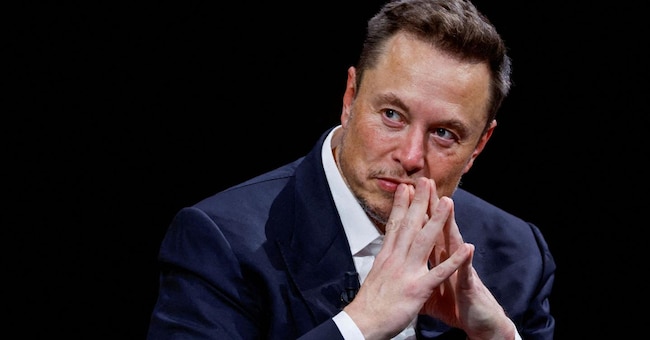
The shares of the company led by Elon Musk lost 5.5% to $165 and the market value shrank another $30 billion to $527. Tesla's stock is in the midst of a slump this year (-33%), causing the Magnificent 7, the most capitalised tech biggies, to leave the group.

The company explained that the drop in volumes was partly due to the ramp-up of the Model 3 Highland, the restyling for 2024, and the stoppages due to the winds of war in the Red Sea and the arson at the Berlin gigafactory.

All true, but the reality is that after years of vertiginous growth, such that Tesla became the most valuable car manufacturer (it still is, with 200 billion more than the second, Toyota, and five times the third force, Porsche), the company had already warned during the presentation of the 2023 balance sheet that it would not be able to guarantee the performance of the past for the current year. At the top of the problems is the drop in demand for electric cars, which are more expensive and therefore less desirable in more difficult times for families. And certainly high interest rates have reduced consumers' spending power, despite the discounts. Tesla has put its own spin on it by not really renewing the range (although, it should be remembered the Model Y was the world's best-selling car in 2023), except with the controversial Cybertruck pick-up.

'Although we expected a bad first quarter,' commented Dan Ives, analyst at Wedbush, traditionally a 'bull' on Tesla, 'this was actually a disastrous first quarter, which is hard to explain. It is a pivotal moment in Tesla's history, Elon Musk must turn things around. Otherwise, dark days lie ahead'. According to Ives, Tesla may have lost 3% of the market in China. This is confirmed for the worse by Bloomberg's calculations: Tesla's market share fell from 10.5 per cent in the first quarter of 2023 to around 6.7 per cent in the quarter ending December.

Certainly China, the world's largest car market, is a thorn in its side. Competitors have multiplied at an unbelievable rate, presenting a large number of models, often cheaper. The American manufacturer's appeal will play heavily on the next technological leap, 'autonomous' driving, i.e. the enhanced version of Full Self Driving (or Autopilot), which has already come under scrutiny many times by the American traffic safety authority (Nhtsa). The Chinese, for their part, are not standing idly by. So much so that today premium cars are chosen in 64 per cent of cases, according to McKinsey, on the basis of an excellent Level 3 autonomous driving. Musk's promise, however, has yet to be fulfilled. This does not improve the picture in the eyes of consumers and investors.

Yet Tesla, thanks to the almost concomitant slowdown of its Chinese competitor BYD (314 thousand full electric cars delivered in the quarter, -43% compared to Q4 2023) has regained the lead. But, needless to say, the result remains very disappointing. The Texan company was aiming for 2 million cars delivered this year, now everything looks more difficult. On such a black day little consolation came from the energy storage business for private and business customers, which surpassed the previous record by 2 per cent.

Debutante Xiaomi, meanwhile, rallied on the stock market in the wake of last week's unveiling of its first and only electric sports car, the SU7: the Chinese consumer electronics giant's initiative, from smartphones to smart home devices, sparked strong market interest by rewarding the stock traded on the Hong Kong Stock Exchange, up 8.57% after an intraday high of 16%. The Beijing-based company added about $7.6 billion to its stock market value as its shares hit the highest since January 2022 on the first trading day since the launch of its Porsche Taycan-inspired car.

Xiaomi SU7, l’auto elettrica del produttore di smartphone

The Chinese company, which gets most of its $37.5 billion revenue from smartphones (it is the world's third largest manufacturer), has reached a valuation of $55.2 billion, higher than that of General Motors and Ford, at $52.4 billion and $53.1 billion respectively. Xiaomi's SU7, short for Speed Ultra 7, enters the crowded Chinese electric vehicle market with an eye-catching price tag: less than $30,000 for the base model, cheaper than Tesla's Model 3 in China.

On Friday, the company declared a sell-out in pre-orders, which had reached 100,000. The declared initial annual production capacity was 150 thousand cars. First deliveries have already begun for an initial batch of 5,000 cars.

Copyright reserved ©
Loading...

Brand connect

Loading...

Newsletter

Notizie e approfondimenti sugli avvenimenti politici, economici e finanziari.

Iscriviti