
Tesla rallies on Wall Street after deliveries fall but better than expected
The stock gained more than 10%, but analysts remain cautious: the average target price is a 20% discount to current levels

3' min read
3' min read
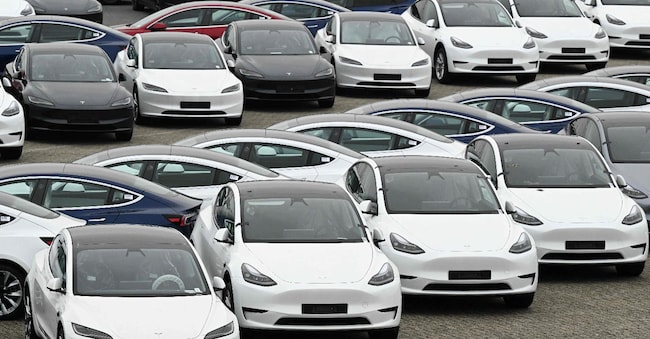
The Tesla stock took off, gaining more than 10% to $231.26, and is clearly the best performer on the S&P 500. And this despite a 4.8% drop in deliveries in the second quarter compared to the same period in 2023, for a total of 466,140 cars. This figure was better than the consensus, i.e. market expectations of 439,000 units. Production, on the other hand, amounted to 410,831 vehicles. In April, Tesla had reported a drop in deliveries in the first quarter of 8.5% to 386,810 cars, the first year-on-year decline since 2020. This is the first time the US battery car maker has reported a year-on-year drop in sales for the second consecutive quarter.
Over the past 12 months, the stock has still lost 18%, despite a rally that began in mid-June, after shareholders approved the $50 billion-plus monstrous pay package in favour of ceo Elon Musk , a fact that restored credibility to the stable leadership of the world's most capitalised carmaker ($737 billion).
In January, Musk said he expected 'significantly lower' growth in deliveries during 2024. And Wall Street has put a drop in the bill due to the decline in demand for electric vehicles and high interest rates. In addition, the range of the Austin, Texas-based manufacturer has less appeal: Models are either suffering from the passage of time (the Model 3 had its restyling last year, while that of the best-selling Model Y has been definitively postponed), have not been as successful as hoped (the mammoth Cybertruck pick-up truck), or have been waiting for years for a confirmed launch (the cheapest Tesla, the Model 2, priced at around $25,000). Tesla has now abandoned its target of delivering 20 million vehicles per year by 2030, drastically changing its tone from its long-term annual growth target of 50 per cent.
There is also competition. Tesla unleashed a real price war from the beginning of 2023, also offered discounts and incentives such as low-interest loans and cheaper leasing plans in the US, China and Europe. Choices that obviously weighed on margins.
The most challenging battle is in China, where the company's sales have declined due to competitors launching electric models at lower prices. In June, deliveries of Teslas built in China's Shanghai gigafactory for the local and export markets dropped (third month in a row, and analysts are already predicting a fourth consecutive month) by 24 per cent compared to last year.


