
2026 A-levels: exams begin on 18 June – over 527,000 students to sit the state exams
According to figures released by the Department for Education, there are 527,607 candidates sitting the 2026 Maturità exams. The first written exam is on 18 June at 8.30 am, the second on 19 June. Among the new features: a compulsory oral exam, the student’s curriculum, and greater emphasis on work experience, civic education and digital skills.
Key points
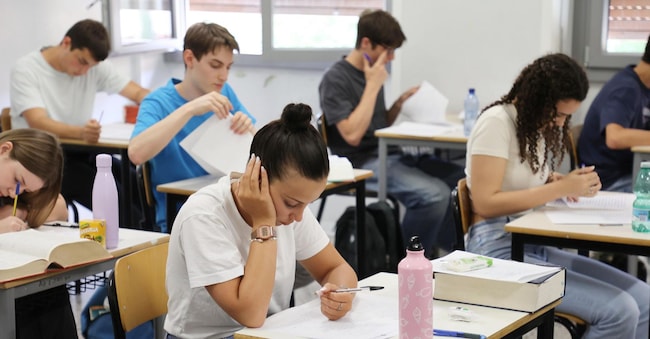
The final days of revision for sixth-formers. The 2026 state exams will begin on 18 June at 8.30 am with the first written Italian exam, which is the same for all streams. This year, 527,607 students will be taking part: 513,479 internal candidates and 14,128 external candidates. There will be 13,989 examination boards, covering a total of 27,884 classes. The largest cohort comes from sixth-form colleges, with 273,854 students. These are followed by technical colleges, with 167,136 candidates, and vocational colleges, with 86,617.
First and second exams: dates, topics and timings
The first written paper of the 2026 Maturità will consist of seven questions. Each student must choose one and will have six hours to complete the paper. Students will not be allowed to leave the school until three hours have elapsed from the start of the exam.
The following day, 19 June, will see the second written exam. In this case, the exam varies depending on the course of study: each course will have an exam based on its core subjects.
The new school-leaving exam aims to assess not only the specific knowledge, skills and competences of each course of study, but also the level of personal maturity, independence and responsibility achieved by students. The assessment framework includes the commitment demonstrated throughout their school career, participation in school-work training activities, the development of digital skills, civic education and other experiences consistent with their course of study.
Work-based learning thus takes on a more prominent role, as it provides evidence of experiences relevant to the student’s educational profile. The student’s curriculum also becomes a key tool: it will serve to highlight their personal journey during the oral interview and give the exam a guidance function, both for further study and for entering the world of work.

