
2026 World Cup: the match that ‘set the internet alight’ wasn’t the final
According to Cloudflare data, the internet has fallen in step with football: traffic has doubled at night, smartphones are being switched back on even for a three-minute break, and online betting takes place every day

Key points
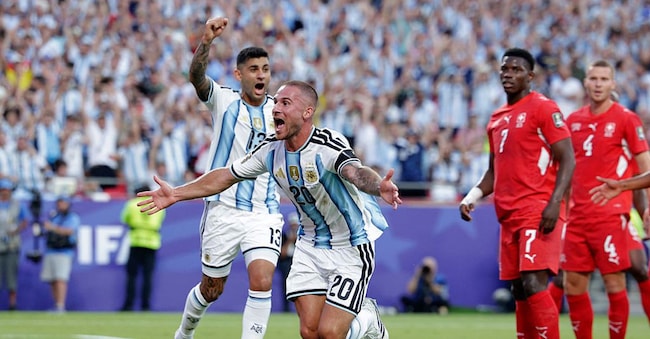
It wasn’t the final won by Spain, nor was it either of the two semi-finals: the match that generated the most online buzz during the 2026 World Cup was Argentina v Switzerland, the quarter-final on 11 July which ended 3–1 to the Albiceleste. This is according to a study by Cloudflare, an organisation that manages over 20 per cent of global web traffic.
During the Argentina v Switzerland match, traffic deviated from usual levels by around 26 per cent, more than the 21 per cent recorded during the France v Spain semi-final. However, a fluctuation does not necessarily mean an increase: traffic may rise because viewers are watching the match via a live stream, or it may fall because they switch off their smartphones and focus on the television. The analysis took both scenarios into account, measuring the extent to which online activity deviated from normal levels during the two hours following kick-off.
The North American time zone
For each country, Cloudflare compared web activity on a minute-by-minute basis with the median recorded over the previous four weeks, and a key factor contributing to the variation was the time of the match.
When kick-off took place between midnight and 8 am, there was a significant change: these were normally times of low traffic, during which it was enough for just some of the fans to stay awake to significantly alter the national figures.
When Bosnia and Herzegovina played at 2 am, traffic levels at times exceeded twice the normal level. During the national team’s evening matches, the opposite occurred: traffic fell to around 70 per cent of usual levels, as viewers put their other devices aside.

