


Affitti brevi, il flop della cedolare al 26%: vale solo 17 milioni di gettito extra
di Dario Aquaro e Cristiano Dell’Oste

by Enrico Marro
2' min read
2' min read
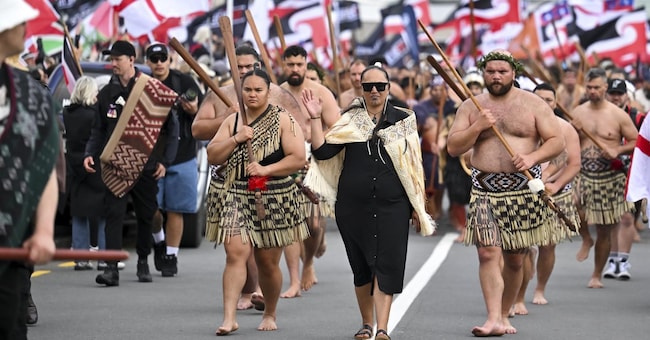
It was one of the largest protests in the history of New Zealand, the largest in defence of the Maori people. The hīkoi (march) that started in Cape Reinga, in the north of the country, after thousand kilometres and nine days landed with no less than 42 thousand people in front of the Parliament in the capital Wellington.
The aim of this historic 'hīkoi mō te Tīriti' (march for rights) is the cancellation of the controversial bill that would extend the Treaty of Waitangi, concluded in 1840 between the British Crown and the chiefs of some five hundred Maori tribes, to all New Zealanders.
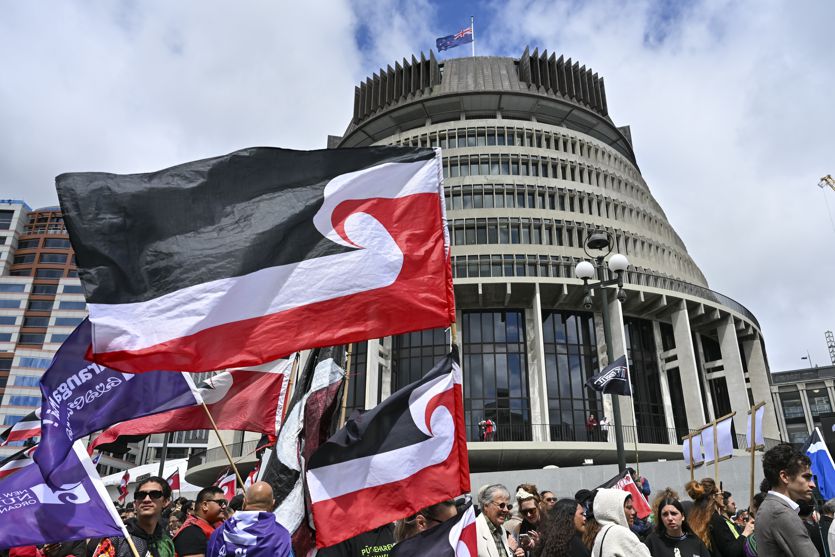
The ancient document, at the time written in English and in the Maori language with some discrepancies in the drafting that have given rise to problems of interpretation, is the fundamental text regulating relations between the British colonisers and the locals: in exchange for the appointment of a British Governor, it provided the right for the Maoris to keep land and property, acquiring the same rights as the subjects of the Crown.
It actually represents the basis of the body of law that corrects the injustices committed by the colonisers, for example with the confiscation of land (later returned), and that grants the Maori people margins of autonomy and compensation for past discrimination.
The bill that aims to revise the Treaty of Waitangi was introduced by David Seymour, leader of the right-wing ACT party that is part of the conservative-populist coalition government along with Prime Minister Christopher Luxon's National Party and New Zealand First.

