
The 50-euro note is the most widely used in the eurozone
According to an analysis of the distribution, the 50-euro note accounts for almost half of the total volume of banknotes in circulation in the eurozone

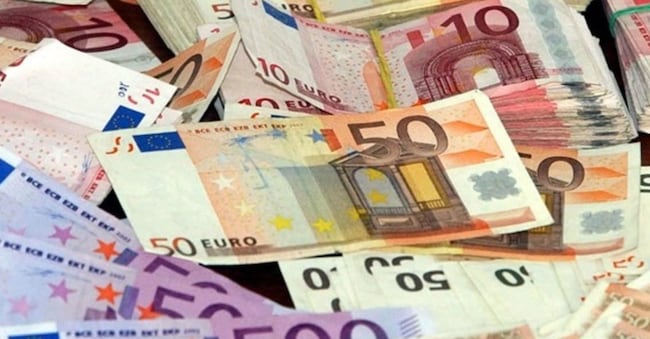
The 50-euro banknote is by far the most common and accounts for almost half of the total volume of banknotes in circulation in the eurozone.
According to the official statistics from the European Central Bank (ECB), the percentage breakdown of the number of banknotes in circulation by denomination as a proportion of the total is as follows:
5 euro: 7.4 per cent of the total number of banknotes
10 euro: 10.2 per cent
20 euro: 16.0 per cent
50 euro: 49.2 per cent
100 euro: 13.8 per cent
200 euro: 2.7 per cent
500 euro: 0.7 per cent.
Total value of banknotes in circulation by denomination
Whilst small denominations (5 and 10 euros) are used for micro-transactions and wear out quickly, denominations of 50 euros and above represent the true store of value for European cash.
€5: €10.7 billion (0.7 per cent of total value)
€10: 30.1 (1.9 per cent)
€20: 96.0 (6.0 per cent)
€50: 731.6 (45.5%)
100 euro: 402.3 (25.0 per cent)
200 euro: 172.8 (10.8 per cent)
500 euro: ~163.9 (10.2 per cent)
Here are the features of the various banknotes
The 5-euro note is the smallest denomination and the one that wears out the most; the 10-euro note is very common for everyday small transactions, whilst the 20-euro note is the second most common denomination for ATM withdrawals.
The 50-euro banknote is the mainstay of European cash, whilst the 100-euro note is growing rapidly in popularity, used as a store of value, whilst qthe 200-euro note is the least common denomination in circulation.

