Advent brings magic to the villages of Tyrol
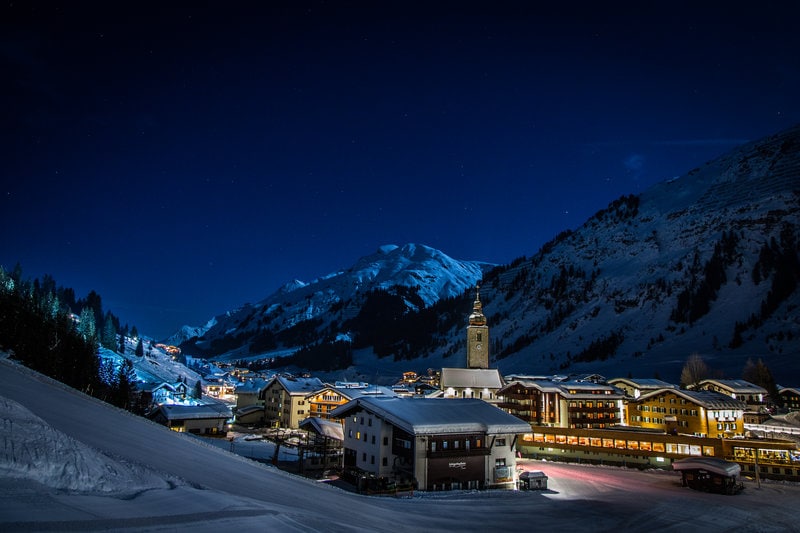
Travelling along the Länder mountain road to the Vorarlberg border (also by train), stops in Kitzbühel, Seefeld, Innsbruck and Lech Zürs

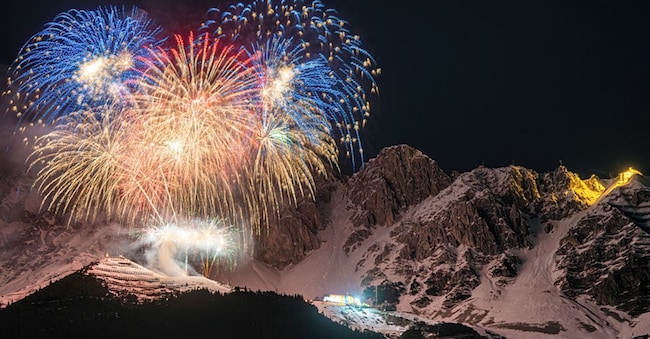
Key points
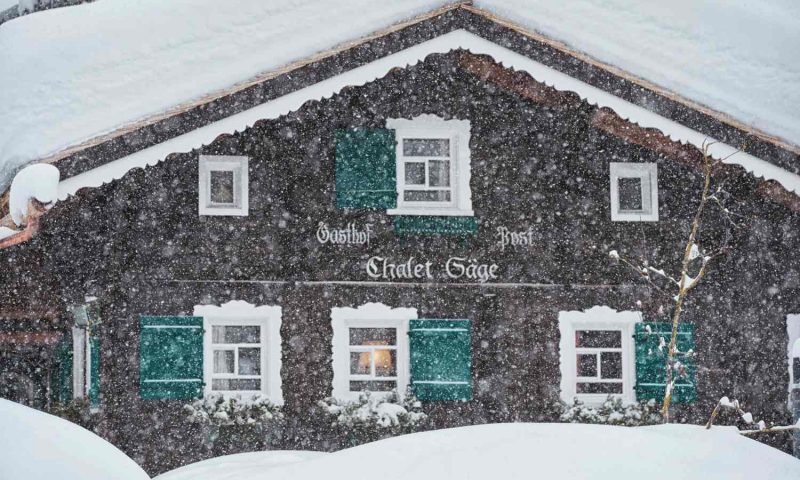
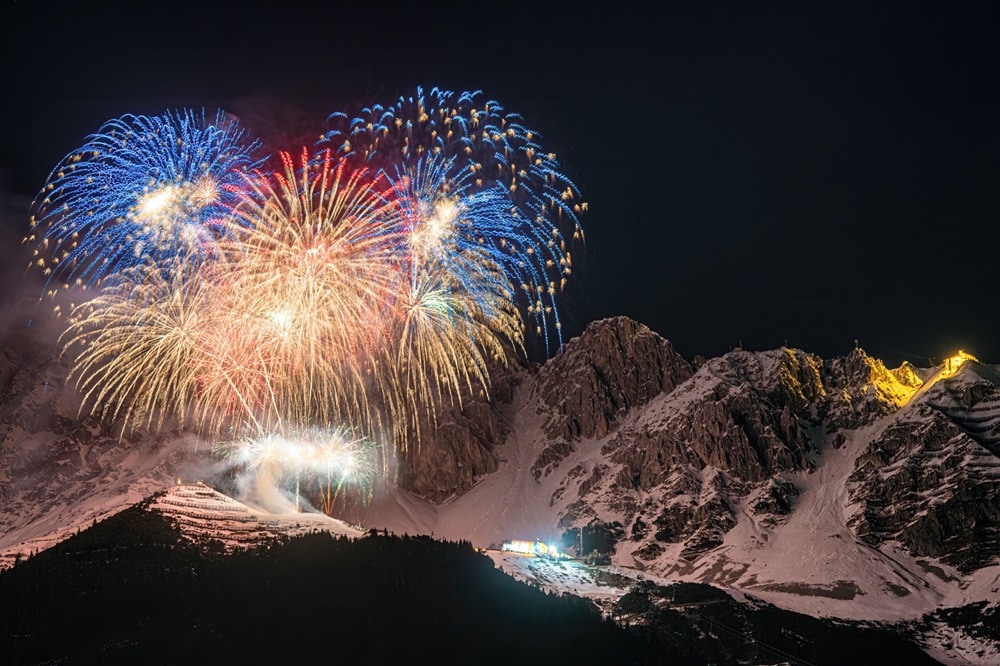
Pine branch garlands on houses take the place occupied in fine weather by red geraniums; squares are lit up by beautiful Christmas trees and shops compete to display straw stars, wood-carved angels, golden pine cones and flower arrangements in their windows. Telling us that we are in the season of Advent is the scent of cinnamon and cloves that flood the narrow streets of the small towns of the Austrian Tyrol, an area that is worth a visit all year round but becomes magical in the run-up to Christmas. When the fairy-tale wooden stalls of the markets open their doors, the scent of mulled wine and kiachl wafts through the air and the contemplative sounds of brass ensembles echo through the alleyways. During the four weeks leading up to Christmas, the Austrians remain faithful to their old traditions: from the candles that light up the houses to the children who in amazement open a window in their Advent calendar every day to the Krampus races that invade the streets on St Nicholas Day.
The itinerary
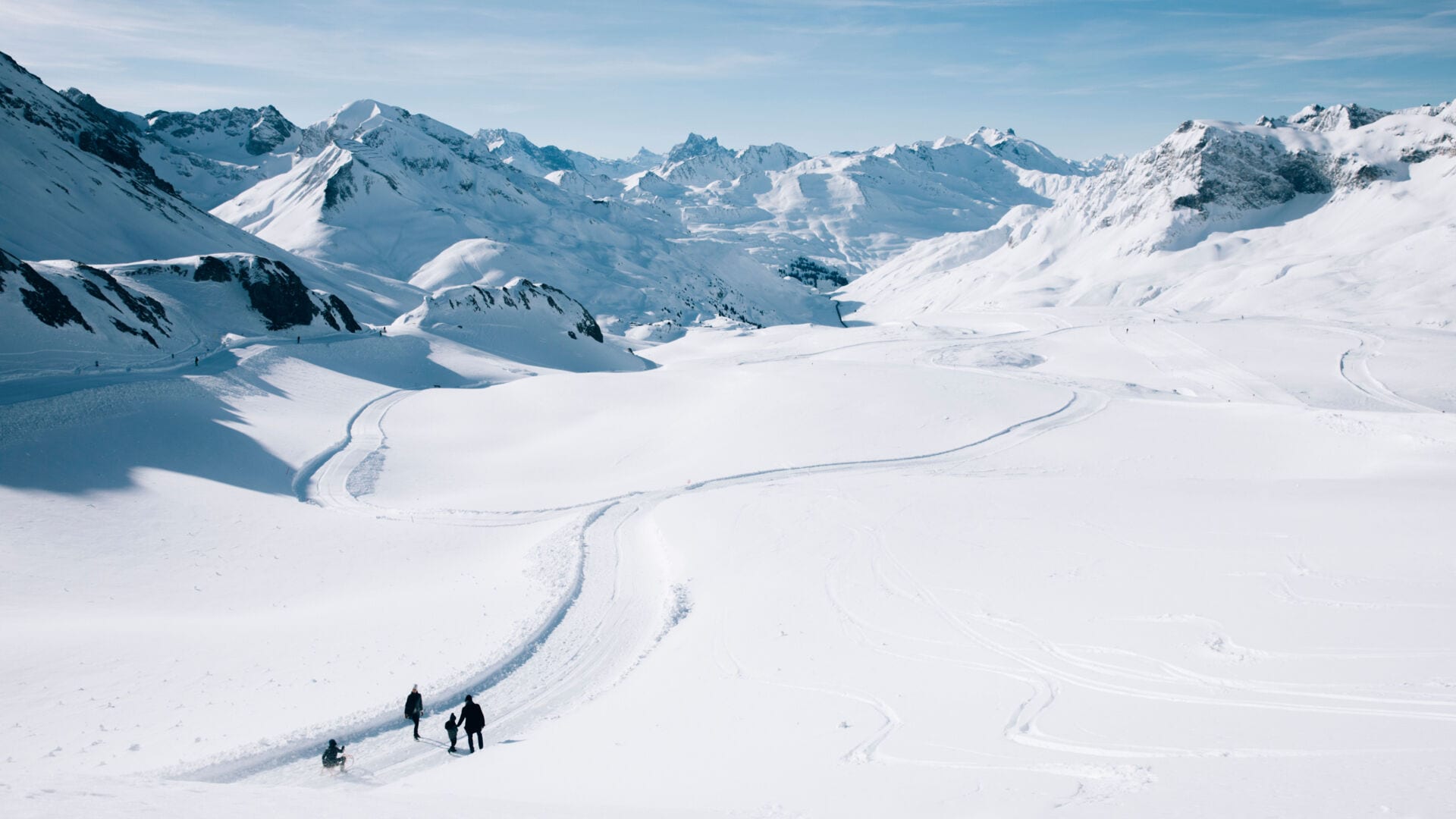
Having reached little Kufstain from Italy (also by train), you can embark on an itinerary of about 3 hours to visit some of Austria's most beautiful markets, passing through Kiztbuel, Seefeld, arriving in the far west of the Tyrol in the beautiful Lech Zurs to return towards Innsbbruck and Italy, along the mountain road of the Tyrolean Länder and up to the border with Vorarlberg through valleys and green pastures, where even in summer it is a spectacle to see the lakes mirroring the peaks of some of Austria's most beautiful peaks, which are over 3.000 metres. Thus, between one market and another, one discovers castles and fortresses, iconic ski slopes, the world of Swarovski crystal and Austrian handicrafts.
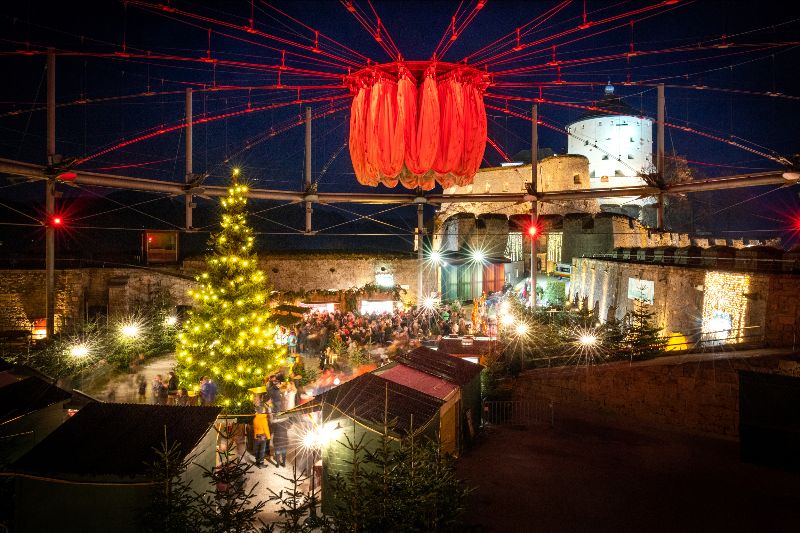
From Kufstein to Kiztbuel
Imposing and majestic, the Kufstein Fortress turns into a festive place during the Advent season, where the Christmas atmosphere can be experienced in an ancient and fascinating place. To enter the fortress is to enter history and culture: Europe's largest open-air organ is also located here, which plays its 4,948 pipes daily at noon. This mighty fortress has watched over the city from a rocky outcrop since the 13th century: its past is a kaleidoscope of battles and wars, reprisals and events that fill the books. The fortress can be accessed by a modern panoramic glass funicular railway that takes you directly to the fortified complex, or you can walk up the impressive staircase partially carved into the rock and covered by a wooden roof.
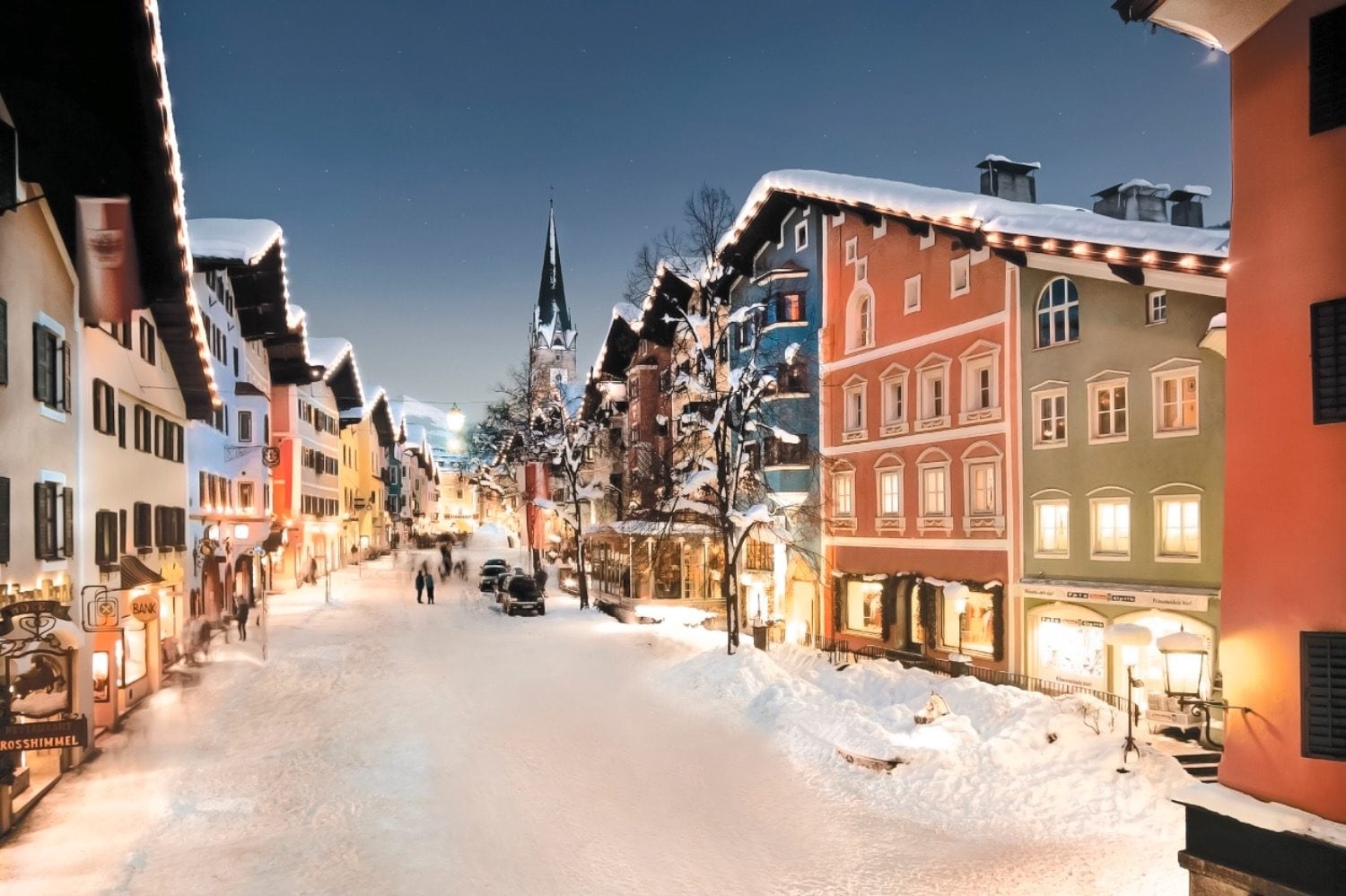
And so the magic begins: decorations and lights shroud the majestic building in joy, the scent of Christmas spreads everywhere, and, between courtyards, stairways and (once secret) passages, bells and Christmas melodies ring out.The Kufstein Fortress Market differs from other classic markets in the place where the stalls are located: the casemates, i.e. the part of the fortress perimeter where cannons and heavy artillery were once housed. During Advent, they are dotted with dozens of colourful, illuminated stalls displaying precious handmade objects by skilled craftsmen. Decorations and lights envelop the majestic building, the scents of Christmas waft through courtyards, stairways and (once secret) passages where Christmas melodies resound.
From Kitzbühel to Seefeld
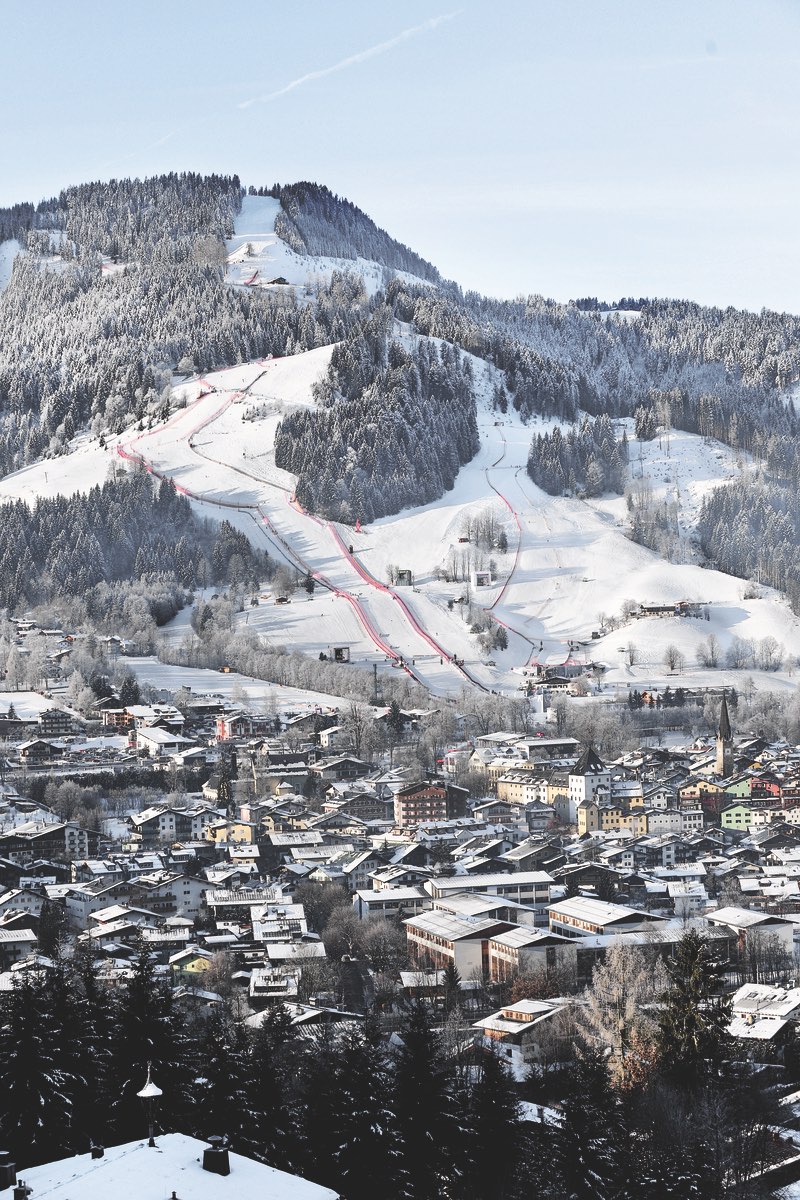
The old houses and farmsteads bathed in the glistening whiteness of the high snow as if it were a silent, heavy mass under which the roofs seem to give way, around slopes framed by deep blue skies and in the background the 'Wilder Kaiser'. Young people in old-fashioned clothes and equipment watching the athlete fly down the legendary 'Streif' slope remind us what skiing was like in the early 1900s. There is no more evocative portrait of Kitzbuel and its mountains than that which appears in the works of Alfons Walde (the beautiful museum in the town centre is dedicated to him). Long considered only as the painter of the mountains, actually influenced by the Viennese Secession, Klimt and Expressionism, with a very personal style he forged the image of holidays in Kitzbühel with his brush.