
Serie D: the combined annual budget of the 162 teams exceeds €150 million
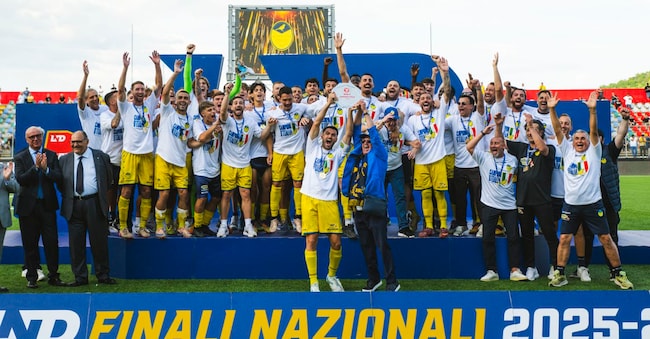
In the 2025/26 season, clubs spent between €500,000 and €2.5 million – the latter figure being that of Scafatese, who won the league title
Key points
The Serie D league represents the pinnacle of amateur football on the national scene, although in many respects it appears more like a genuine semi-professional competition. The Interregional Department of the National Amateur League (LND) manages the competition: 162 teams divided into 9 groups, organised according to geographical proximity. Between the regular season, play-offs and the Scudetto Play-offs, 2,822 matches are played, watched at the stadium by over 2 million fans.
The league
Serie D, moreover, is the truest expression of the bond between clubs and their local communities. Almost all matches are played on Sunday afternoons, with very few brought forward to Saturday. Barletta and Reggina attracted the largest crowds in the 2025/26 season, with an average of 5,000 and 4,600 spectators per match respectively.
One match per matchday is broadcast on VivoAzzurro TV and on the LND’s YouTube channel. Local broadcasters can purchase the radio and TV rights from LND Servizi Srl to broadcast one or more matches. However, for Serie D clubs, revenue from the sale of radio, audio and video broadcasting rights is a far cry from the figures seen in professional football. Seasonal costs are mainly covered by sponsorship and membership fees. Other income comes from stadium revenue and, for the most successful clubs, from the sale of players, but player transfers are very common, with the transfer window almost always open from July to March.
Economic aspects
The 162 clubs spent a total of 155 million in the 2025/26 season. The average budget is just under a million (950,000): it ranges from 500,000 euros to Scafatese’s 2.5 million. Whilst around 2 million per season is needed to chase promotion, aiming for a place in the play-offs requires a budget of at least 1.1 million, barring a few notable exceptions. Salaries, lump-sum reimbursements, travel allowances and bonuses account for at least 65% of seasonal resources. Other items affecting the accounts include: away trips (sometimes over 600 km long, see Vallo della Lucania-Caltanissetta for Gelbison and Nissa), board and lodging for players and staff, administrative costs, rent and maintenance of facilities, the youth academy and kit.
In Serie D, there were 4,351 players in May 2026. The Sports Reform, which came into force in July 2023, has revolutionised amateur contracts. Tax and social security arrangements are based on annual salary brackets. Sports workers’ earnings are treated as employment income and are divided into three bands. Up to €5,000: exempt from tax and social security contributions. Between €5,000 and €15,000: subject to social security contributions but tax-exempt. Over €15,000: subject to social security contributions and taxation in accordance with standard rules.


