
The best way to make a good generational transition is... to found a university!

3' min read
3' min read
Over the past two decades, the academy has made great strides in finding and applying ways to ensure solid shareholding in family businesses while still not always succeeding in ensuring business continuity. Admittedly, this is partly because ensuring the adaptation of a business to the changing competitive environment is difficult, but the main reason remains the failure to convince entrepreneurs of the soundness of the solutions and investments required.
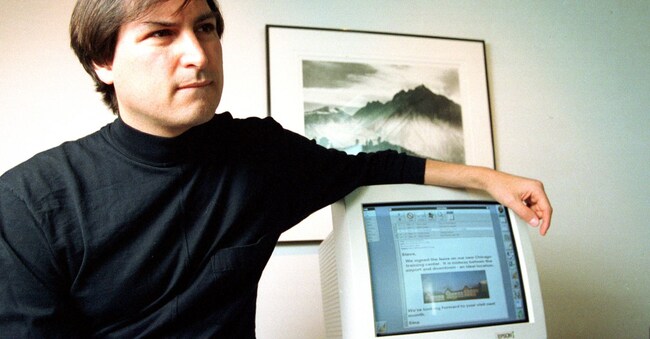
familyandtrends has decided to try it again, this time taking an example so magnificent that it bends the scepticism of the most wary of entrepreneurs. We are talking about a company that was led by its founder to have 108 billion in turnover, 34 billion in profit with more than sixty thousand employees: the company is Apple and it cannot be said that Steve Jobs was not good in his entrepreneurial journey, also because he was kept away from the company for twelve years and had to come back because it was in a bad way. Apple is not a family business: Jobs owned 0.021% of it, having sold a large part of it when he was kicked out as a young man and become rich by selling Pixar to Disney. Here we focus only on how an entrepreneur should work on business continuity and not governance.
Jobs set up his generation transition with some success: today his company makes more profits than it did on the day he left it; in 24, turnover was 394.3 (x 3.6), EBIT 123.2 (also x3.6) and employees 164,000 (x3).
How was this possible? Did it take throngs of notaries, lawyers, accountants, strategic advisors, technology experts? Well no: all it took was one professor, a very good one.
Jobs personally hired Joel Podolny in 2008 to internalise the thinking of its visionary founder at Apple in order to be ready the day he would no longer be there. In the words of someone who was there and who, as always at Apple, does not wish to be quoted: "Steve was thinking about his legacy. The idea was to take what makes Apple unique and create a place that could pass that DNA on to future generations ... No other company has a university tasked with exploring the roots of its success so thoroughly."


