
Trump's Board of Peace debuts with $5 billion
First meeting today in Washington. Financial commitments and guests from twenty countries
from our correspondent Marco Valsania
 Aggiungi Il Sole 24 Ore
ai preferiti su Google
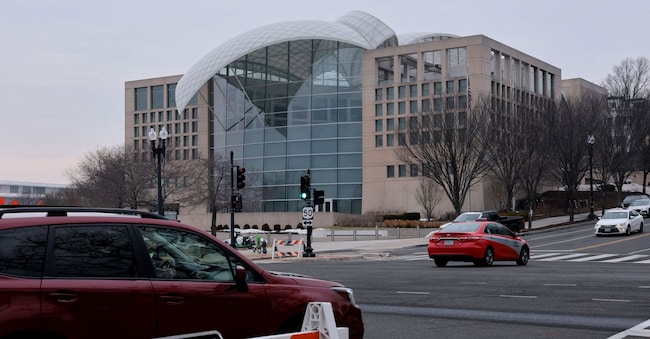
NEW YORK - Blizzards of controversy and promises of money, first and foremost billions for Gaza. Donald Trump's Board of Peace, conceived by the US president to deal with the drama in the Palestinian territory and as a replacement for the unseen United Nations, debuts today in Washington. But the first meeting, according to the White House, was attended by only about 20 of the perhaps 60 nations invited, mostly from the Middle East and Asia. Others have either declined or have carved out an observer and often low-profile role, from several traditional European allies to the Vatican (publicly rebuked yesterday by Trump's spokeswoman). Italia has Foreign Minister Antonio Tajani as an observer.
The objections are in the spotlight
Participation in the Board is at the discretion of Trump, who as plenipotentiary has also withdrawn the 'ticket' from Canada and its PM Mark Carney with whom he is at loggerheads. For critics he thus threatens new and dangerous blows to multilateralism and its institutions, in the service of an aggressive US hegemony inspired by America First.
The president's ill-concealed personal ambitions swell the doubts: he has already proclaimed himself chairman for life, he sees it as a stepping stone to the desired and hitherto elusive Nobel Prize and the meeting, not surprisingly, is hosted by the already renamed Donald J Trump Institute of Peace. An inaugural meeting that appears largely ceremonial, orchestrated in the morning and streamed from the White House.
In Trump's designs, before becoming "the most influential organisation ever created", the Board of Peace nevertheless has initial and crucial goals prescribed, with Gaza a crucial test of its effectiveness: there will come immediately, said White House spokeswoman Karoline Leavitt, the formal announcement of more than five billion raised for humanitarian aid and reconstruction of the Palestinian territory razed to the ground by Israeli bombing, whose government is now on the board (here comes Foreign Minister Gideon Sa'ar). Although reconstruction will actually require 70 billion.
Between financial commitments and mobilisation of soldiers
Trump had been anticipating such financial commitments since the past few days alongside the mobilisation of thousands of soldiers and police forces, these numbers also confirmed by Leavitt: among the countries that have offered to participate in a stabilisation force Indonesia, which has offered 8,000 troops. According to rumours in the Telegraph newspaper, Trump would, however, also like to rely on existing anti-Hamas militias, including clans and criminal gangs, despite concerns among the US military leadership itself.


