
British enquiry into infected blood: 'There were serious cover-ups'
Public authorities involved in the infected blood scandal that involved numerous UK hospitals and thousands of people, including children, in the 1970s and 1980s

2' min read
2' min read
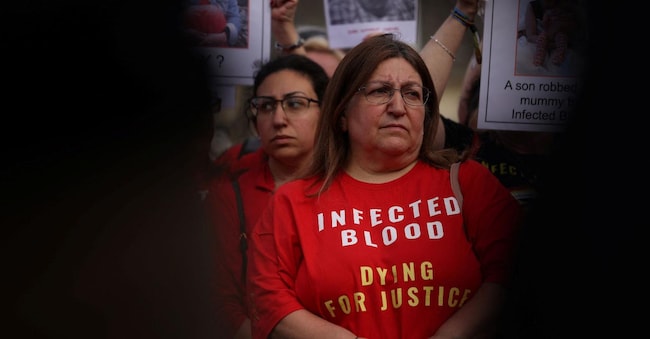
A series of serious cover-ups were carried out by the British authorities, such as governments, the public health service (NHS) and blood transfusion services, in the infected blood scandal that involved numerous UK hospitals and thousands of people, including children, in the 1970s and 1980s. This is what emerges from the final report on the lengthy independent investigation conducted to shed full light on the affair, which shows that it was not an accident but a series of 'failures' in the system: these were followed by attempts to conceal them, including through the removal of compromising documents.
The Infected Blood Inquiry stated that the victims, infected with hepatitis C virus and HIV after receiving blood transfusions mainly in the 1970s and 1980s, but also in the early 1990s, were in fact betrayed and abandoned to their fate several times, starting with their doctors, in a scandal that 'could have been avoided'.
The report contains 12 recommendations addressed to the current authorities, such as the conservative government of Rishi Sunak, including a plan for immediate compensation of infected persons and their families in the event of the death of patients, which would put an end to the hesitancy shown earlier. Faced with the results of the enquiry, Premier Rishi Sunak, as was expected, apologised for what had happened and promised at least restorative action by the executive following the enquiry's indications.
The scandal, according to the latest statistical updates, affected around 30 thousand people in the 'incriminated' period, and around 3 thousand have since died. The final cost of compensation is expected to reach several billion pounds and will be announced this week.

